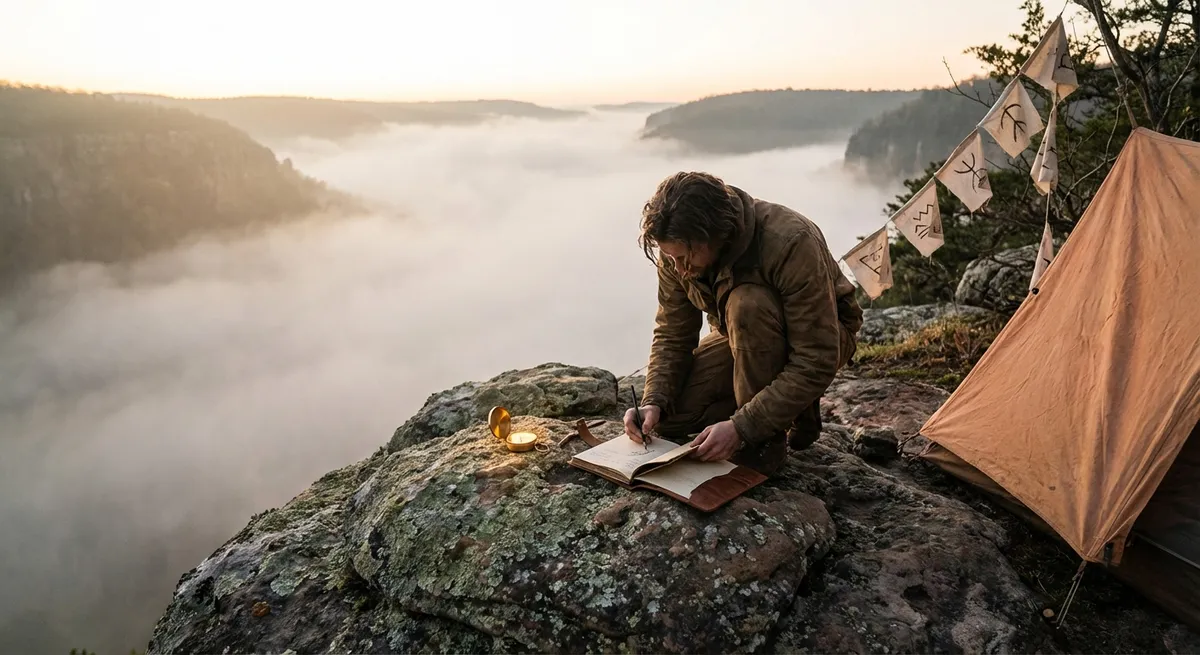
This is your invitation to step beyond the algorithm and write your own map. These five adventure ideas aren’t about chasing danger or ticking boxes—they’re about choosing the kind of travel that rearranges your comfort zone and wakes up your sense of wonder.
1. Trade Speed for Story: Take the Slowest Route on Purpose
We’re wired to think the fastest route is the best one. But when you’re always in a rush, the world becomes something you pass through instead of something you feel.
Choose one leg of your next trip and flip the script: take the slowest reasonable way to get there. That might be an overnight train across Eastern Europe, a multi-stop bus journey through Southeast Asia, a river ferry in South America, or a local commuter train instead of a flight.
When you travel slowly, the scenery stops being background and becomes part of the experience—the way mountain light changes through the window, the woman who shares her snacks and her life story, the street vendor who hops on at a rural stop, the kid trying to teach you a card game without a shared language. Pack a light blanket, snacks, an offline map, a small notebook, and an open schedule. The “lost” hours become the pages where stories start.
Slow travel isn’t just romantic; it’s practical too. You often spend less, see more, and arrive with a mental map instead of just a hotel confirmation. The destination will still be there when you arrive—but you’ll be different.
2. Sleep Where the World Is Still Talking at Midnight
If your lodging is just “where you crash,” you’re missing half the adventure. Think of where you sleep as your base camp for serendipity.
Instead of automatically booking the quietest spot you can find, try staying where the city is still awake at midnight: above a night market, near a harbor, beside a plaza where families gather late, or in a neighborhood where music drifts from open windows. Open your window and let the soundtrack of another life lull you to sleep—distant conversations, clinking dishes, waves hitting a sea wall, motorbikes tracing invisible routes below.
Practical move: search for guesthouses, small locally run hotels, or homestays that mention plazas, markets, or waterfronts in their descriptions or reviews. When you check in, ask the staff, “Where do people here go at night just to hang out?”—and then go there with no agenda, just curiosity.
You’ll pick up tiny details you can’t research in advance: how late dinner really happens, what families snack on, how kids play, what people wear when they’re not at work. These details anchor your memories more deeply than any famous landmark.
3. Turn a Local Skill into Your Mini-Quest
Adventure doesn’t have to mean cliff edges and parachutes. Sometimes the boldest move is to walk into a place and say, “Teach me what you’re proud of.”
In each destination, pick one local skill to learn, even just for a day. It could be rolling handmade pasta in a tiny Italian kitchen, paddling a traditional outrigger canoe in the Pacific, learning a basic tango step in Buenos Aires, weaving a simple bracelet with an artisan, or helping a farmer harvest tea leaves at sunrise.
Don’t worry about becoming good at it. The point isn’t mastery; it’s immersion. Your hands learn what your guide’s hands already know by heart. You feel the weight of the tools, the rhythm of the movement, the way local stories surface while you work side by side.
To make this happen, look beyond polished “experiences” and search local community centers, small tour cooperatives, or even bulletin boards in cafés. Say yes to workshops that are a little out of your comfort zone and run by locals, not just for tourists. You’ll walk away with more than a skill—you’ll leave with a human connection and a story that doesn’t sound like anyone else’s.
4. Let One Element of Nature Decide Your Itinerary
Instead of trying to see “everything,” choose one natural element—water, wind, height, or darkness—and design a slice of your journey around it.
- If you choose water, follow it: trace a river from city center to its quiet source, kayak a calm coast at sunrise, or island-hop by public ferry.
- If you choose height, chase viewpoints: climb old bell towers, hike to ridgelines, ride funiculars, or find rooftops where locals gather.
- If you choose wind, lean into open-air experiences: cycling back roads, riding in a tuk-tuk with no windows, sailing, or standing on a clifftop just to feel the gusts.
- If you choose darkness, explore what wakes up at night: stargazing outside city limits, bioluminescent bays, night markets, or a red-eye walk under quiet streetlights.
Let that element guide a few concrete decisions: where you sleep, what time you wake up, where you eat, and how you move. This focus turns a random list of activities into a story with a theme. Pack accordingly—headlamp, layers, reusable water bottle, dry bag, or motion sickness bands, depending on your element.
You’ll start to notice a place not just as a backdrop but as an ecosystem you’re briefly stepping into.
5. Leave a Gentle Trace: Create a Micro-Legend for Future Travelers
Everywhere you go, someone came before you—and someone will come after. Instead of just passing through, leave behind a tiny tradition that other travelers can stumble into.
This isn’t about carving your name into a tree or leaving clutter. It’s about gentle, thoughtful marks: a short handwritten note of encouragement tucked into a mountain hut logbook; a paperback with your one-page travel reflection left on a hostel shelf; a simple sketch hidden in a café’s community notebook; a small laminated card with a quote and your favorite off-beat walk, given to a guesthouse owner to pass to curious guests.
You can even pick one “signature action” you do in every new place: buying an extra coffee for the person behind you, gifting a small local snack to a stranger on a long bus ride, or sending a postcard not just home, but to the café where you had your first breakfast, thanking them.
These gestures shift the trip from “What did I get?” to “How did I show up here?” Adventure becomes less about conquest and more about connection. You’re no longer just collecting experiences—you’re adding threads to an invisible global web of kindness and curiosity.
Conclusion
Adventures don’t need a bucket list or a highlight reel; they need your willingness to rewrite the rules of how you move through the world. Take the slower route. Sleep where the stories are. Learn a skill with your hands, not just your search bar. Let nature shape your choices. Leave a gentle trace so someone else feels braver when they arrive.
You don’t have to go farther to feel more alive—you just have to go differently. The world is already wild and waiting. The next move is yours.
Sources
- UN World Tourism Organization – Tourism and Culture Synergies - Background on how cultural immersion and local experiences enrich travel
- OECD – The Economic and Social Benefits of “Slow Tourism” - Discussion of slow travel, local engagement, and sustainable tourism trends
- National Park Service – Leave No Trace Principles - Guidelines for minimizing impact and leaving gentle traces in natural areas
- Adventure Travel Trade Association – Adventure Travel Trends - Research on what modern adventure travelers seek beyond typical sightseeing
- Lonely Planet – Responsible Travel Hub - Practical advice for connecting with local communities and traveling more thoughtfully