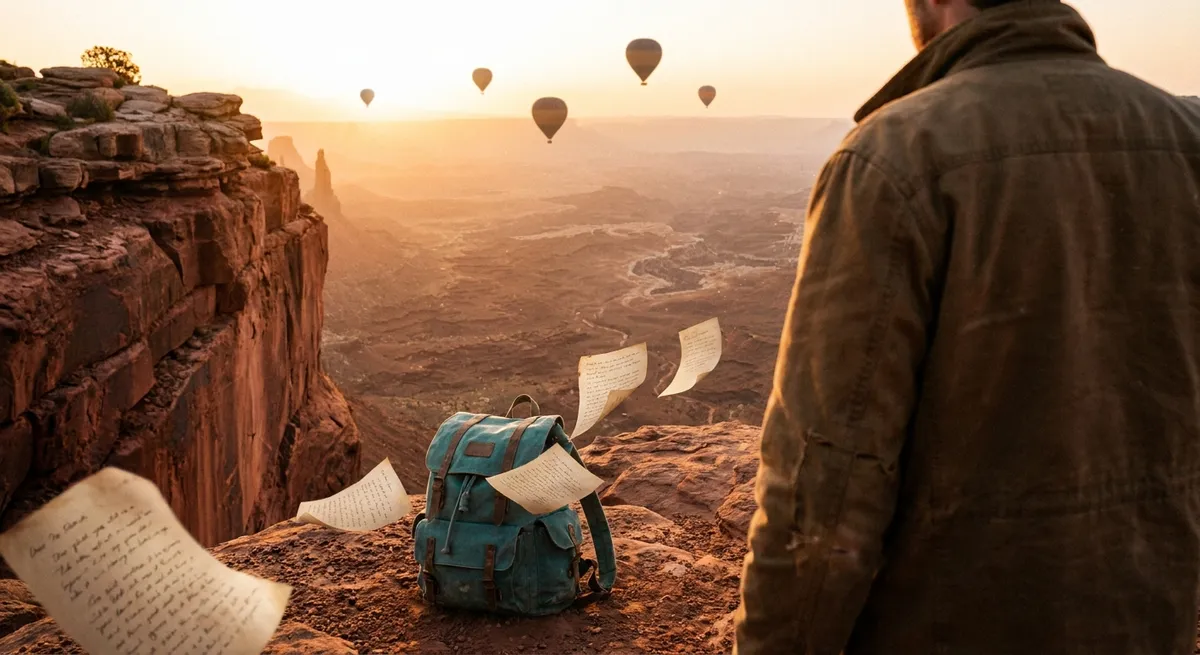
Below are five kinds of adventure that don’t just fill your camera roll—they rewrite how you move through the world.
1. Follow the Water: Journeys That Flow Beyond the Shore
Rivers, seas, and hidden lagoons pull you into the kind of adventure that feels both ancient and alive. Imagine paddling a kayak through a fjord at sunrise, cliffs rising like cathedral walls while the water glows in bands of gold. Or snorkeling above a reef, watching entire ecosystems pulse beneath you with every shift of the tide.
Water-based adventures tune you into rhythm—of your breath, your paddle strokes, your heartbeat catching when a dolphin arcs beside your boat. Start small: try stand-up paddleboarding on a calm lake or a guided coastal kayak tour. Learn the basics of water safety and currents; a short course can turn nerves into confidence and open up multi-day river trips or open-water swims later on.
The key is to stay present. Notice how your muscles adapt to each wave, how your fear slowly gives way to fascination. Bring a dry bag, lightweight layers, and a respect for local ecosystems—reef-safe sunscreen, no touching coral, no litter left behind. The more you listen to the water, the more it leaves its tempo in you.
2. Chase the Horizon on Foot: Trails That Rewire Your Limits
There’s a special kind of clarity that arrives when your world shrinks to a path, a pack, and the next bend in the trail. Hiking and trekking adventures take you out of the rush and into a slower, steadier version of yourself—one that trusts tired legs and a stubborn spirit more than perfect plans.
Picture crossing a suspension bridge strung above a rushing gorge, or reaching a mountain pass where the wind tastes like snow and distance. You don’t need to start with alpine epics. Begin with well-marked local trails, sunrise hikes, or day routes in national parks. Learn to read basic trail maps, check weather conditions, and pack the essentials: water, snacks, layers, navigation, and a small emergency kit.
As your confidence grows, consider multi-day treks with mountain huts or guided groups. You’ll discover that it’s not the steepest climb that changes you—it’s the moment you realize you’ve gone farther than your old doubts thought possible. Every blister, every deep breath at altitude, becomes a receipt for a new version of yourself.
3. Sleep Where the Sky Has No Ceiling: Nights That Reset Your Compass
Some adventures don’t announce themselves with adrenaline. They arrive with a darkening sky, a crackling fire, and the feeling of lying under a universe that suddenly looks close enough to touch. Camping, desert stargazing, and remote stays pull you out of the city’s glow and into the quieter drama of night.
Set up a tent beneath a canopy of pines, or book a simple cabin miles from the nearest streetlight. As the sun sinks, listen to the world trade traffic noise for crickets, waves, or the low rush of wind through grass. Cooking over a camp stove or fire teaches resourcefulness; you discover how little you actually need when the view is your main luxury.
If you’re new to sleeping outdoors, join a guided camping trip or choose a campground with basic facilities. Pack warm layers, a headlamp, and a healthy respect for wildlife and fire safety. Also consider “dark sky” parks or observatories where you can see the Milky Way with shocking clarity. These nights don’t just decorate your memories—they recalibrate what you think of as “enough.”
4. Step Into Someone Else’s Everyday: Culture as Your Wildest Adventure
The most life-altering adventures are often not cliffs or rapids, but kitchens, markets, and conversations. Traveling for cultural immersion asks you to trade assumptions for curiosity, to let unfamiliar languages and customs crack open your idea of “normal.”
Think about learning to roll pasta with a grandmother in a rural village, joining a dawn prayer call in a city you’ve only ever seen on a map, or sharing tea with a family who invites you in simply because you looked lost and open. These moments don’t show up on a standard itinerary—you have to create room for them.
Stay in locally owned guesthouses or homestays. Take cooking or craft classes from residents, not resort staff. Learn basic phrases in the local language; even a clumsy “thank you” or “this is delicious” builds connection. Research cultural norms around dress, gestures, and public behavior so your curiosity arrives with respect.
The payoff is huge: you walk away not just with photos of landmarks, but with a more flexible mind and a heart that recognizes itself in strangers.
5. Answer the Quiet Call: Solo Adventures That Turn Fear Into Fuel
There’s a particular electricity that comes from stepping into adventure alone—the first time you board a bus without a companion, the first solo meal in a foreign café, the first night in a city where no one knows your name. It’s intimidating, yes. But it’s also one of the fastest ways to discover who you are when no one else is scripting the story.
Solo adventure doesn’t have to mean extreme remote expeditions. It can be a solo weekend in a nearby town, a day-long road trip with just a playlist and a map, or joining a small-group tour where you show up solo but leave with friends. Start with destinations known for safety and good infrastructure, and share your itinerary with someone you trust.
Learn simple personal safety habits: keep copies of documents, have offline maps, register with your embassy if going abroad, and know local emergency numbers. When doubt creeps in, remember this: courage isn’t the absence of fear; it’s walking with it long enough to watch it shrink. Solo adventures teach you to rely on your own decisions—and to trust that you can handle more than you think.
Conclusion
Adventure is not a personality type; it’s a choice you make with the days you’re given. Whether you’re gliding down a river, pushing up a mountain trail, sleeping under a galaxy, sharing meals across cultures, or navigating a new city on your own, you’re doing more than traveling—you’re editing the story you tell yourself about who you are.
You don’t have to wait to feel ready. Pack the questions that keep you curious, the courage that fits in your chest, and the willingness to be surprised. Then step out the door and let the world meet you halfway.
Sources
- [National Park Service – Hiking Basics](https://www.nps.gov/subjects/trails/hiking-basics.htm) - Practical guidance on preparing for hikes and staying safe on trails
- [American Red Cross – Water Safety](https://www.redcross.org/get-help/how-to-prepare-for-emergencies/types-of-emergencies/water-safety.html) - Essential tips for staying safe during water-based adventures
- [International Dark-Sky Association](https://www.darksky.org/get-involved/visit-dark-sky-places/) - Information on designated dark sky places ideal for stargazing and night-sky adventures
- [CDC – Traveler’s Health](https://wwwnc.cdc.gov/travel) - Up-to-date health and safety recommendations for international travelers
- [U.S. Department of State – Traveler’s Checklist](https://travel.state.gov/content/travel/en/international-travel/before-you-go/travelers-checklist.html) - Official guidance on documents, registration, and precautions for safe travel