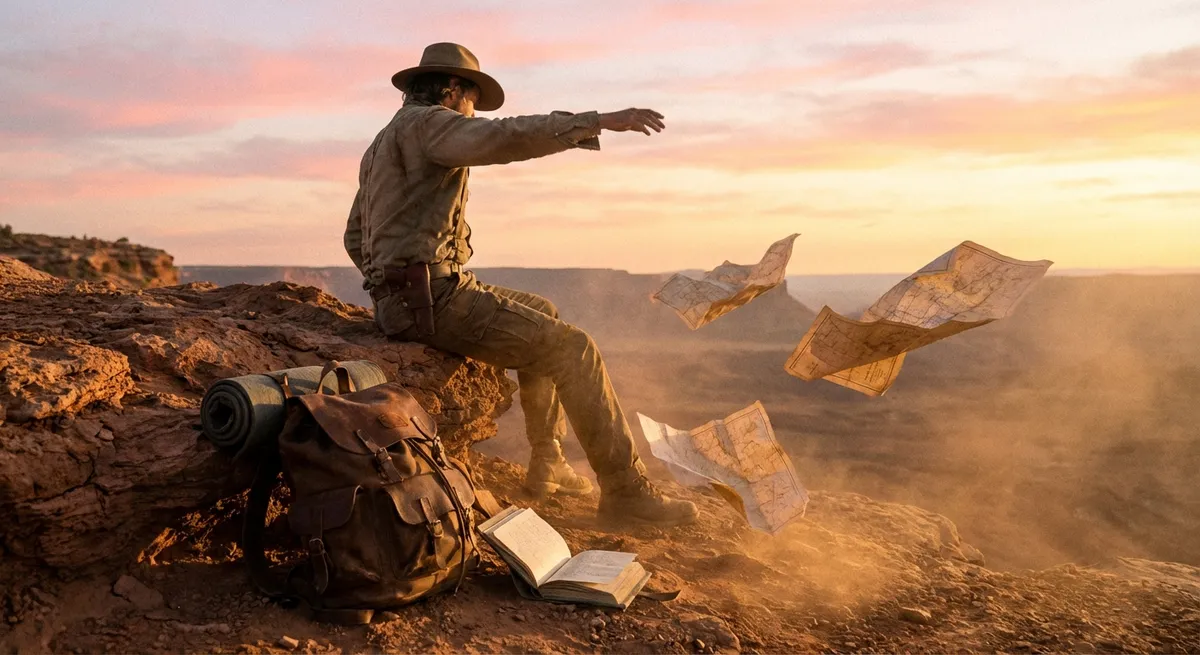
This is your invitation to live a little wilder, notice a little deeper, and come home with stories that don’t fit in a single caption. Below are five powerful ways to shape trips that feel less like vacations and more like plot twists in your own unfolding story.
1. Chase First Light: Sunrise Missions That Reset Your Sense of Time
There’s something quietly rebellious about waking up before the world and walking straight into the dark with purpose. Sunrise adventures aren’t about being a “morning person”—they’re about catching the planet in the act of turning.
Imagine hiking the final switchbacks of a coastal trail under fading stars, then watching the horizon ignite from deep violet to molten gold. Or kayaking across a glass-still lake as mist lifts in slow motion and the first sunbeam spills over the mountains like a spotlight meant just for you.
Why sunrise is worth the effort:
- You get front-row seats to solitude. Tourist hotspots feel almost sacred when they’re empty. Iconic viewpoints become private theaters where the only noise is wind and your own heartbeat.
- The light changes everything. Photographers chase “golden hour” for a reason: colors turn saturated, shadows stretch dramatically, and even familiar places look unreal.
- You reset your internal clock. Travel can blur days into one long timeline. Sunrise missions carve out a memory that has a clear before and after—“there was everything before that morning on the ridge, and everything after.”
Practical moves:
- Scout your route the day before so you’re not guessing in the dark.
- Pack layers: pre-dawn can be chilly even in warm places.
- Use offline maps and a headlamp instead of blowing your night vision with your phone.
- If you’re in a city, watch sunrise from a rooftop, waterfront, or hilltop park—urban skylines can be just as electric as mountain ranges.
2. Follow the Local Pulse: Micro-Adventures Hidden in Everyday Life
The most transformative moments often happen far from the must-see list. They live in side streets, corner cafés, pickup games, and night markets where life unfolds for the people who actually live there.
Picture stepping off the main boulevard in a new city and drifting into a neighborhood bakery where the line is made of school kids, construction workers, and grandparents. No English menu, no souvenir stands—just the slow, intoxicating realization that you’ve stepped into someone else’s normal day.
How to find that pulse:
- Ride what residents ride. Take the local bus, tram, or shared taxi instead of the fastest option. You’ll learn more from a 30-minute ride listening and watching than from reading three guidebooks.
- Shop where weekly routines happen. Hit the market where people buy produce for the week, not the souvenirs for a weekend. Notice what’s abundant, what’s seasonal, and what locals line up for without hesitation.
- Sit still on purpose. Pick one spot—a park bench, a café table, a riverside wall—and stay for an hour. Turn off your data. Just observe the choreography of everyday life.
Practical moves:
- Learn 5–10 key phrases in the local language (hello, thank you, please, delicious, beautiful, how much). Even clumsy attempts open doors.
- Ask one question whenever you can: “If I had one free afternoon here, where should I go?” Locals will send you to their real favorites, not the ones on postcards.
- Keep notes: jot down overheard sounds, smells, colors, and tiny scenes. These details are what make your stories vivid when you share them later.
3. Say Yes to the Element You Fear: Water, Height, Speed, or Darkness
Most of us have an element that makes our pulse spike: the open ocean, high edges, rushing speed, or the unknown of caves and night. Leaning into that discomfort in a controlled, thoughtful way can turn an ordinary trip into a personal milestone.
Maybe it’s the first time you clip into a via ferrata route and feel your legs shake as you cross a narrow ladder bolted to a cliff. Or the moment you finally ease backward off a boat into the sea, breathing steadily through your snorkel as a reef bursts into color beneath you.
Why this matters:
- Fear is a compass. The thing you instinctively avoid often points directly to the experience that will expand you the most.
- You experience your own courage in real time. Adventures tied to an element you fear don’t just give you adrenaline; they give you proof that you are more capable than the voice in your head.
- Stories become anchored to emotion. Years from now, you might not remember the name of the beach—but you will remember the exact second you let go of the boat ladder.
Practical moves:
- Start with guided experiences run by certified professionals—canyoning tours, beginner surf lessons, intro caving, tandem paragliding.
- Be honest about your limits. Good guides respect “no” and help you stretch without breaking.
- Stack the deck in your favor: pick good weather, read reviews, and don’t schedule a fear-heavy adventure at the end of an exhausting travel day.
- Celebrate the attempt, not just the outcome. Even stepping onto the dock or hiking to the jump-off point counts as courage.
4. Walk a Story: Trails, Routes, and Journeys with a Soul
Some adventures feel bigger because they’re plugged into something older than you—pilgrimage routes, historic footpaths, trade roads, or long-distance bike journeys that countless people have walked before.
Imagine following a path that once carried merchants between villages, tracing a coastline that ancient sailors used as their map, or cycling a river route that threads through farms, ruins, and modern cities. Your footsteps fold into a story that began long before you arrived and will continue long after you leave.
Why story-rich routes hit deeper:
- You travel through time as well as space. Each bend in the path carries layers: geology, history, culture, and present-day life all stacked together.
- You meet fellow travelers on the same arc. People drawn to these routes tend to be reflective, curious, and open—prime conditions for trail friendships that outlast the journey.
- You earn your distance. Progress is tangible: kilometers or miles walked, towns passed, stamps collected, elevation climbed. You can feel your journey in your legs.
Practical moves:
- Look for regional routes that can be sampled in a day or two if you can’t commit to a full thru-journey. Even walking one stage of a longer path gives you a taste.
- Travel light enough to enjoy the motion: a comfortable daypack, broken-in shoes, water, snacks, and sun protection make the difference between “epic” and “endless.”
- Read a bit before you go: a short article or podcast about the route’s history will make every viewpoint feel more meaningful.
- Keep a simple ritual each day—like writing one sentence at sunset, or taking a photo of your feet wherever you stop. They become a visual thread tying the journey together.
5. Turn the Camera Around: Adventures That Give More Than They Take
The most powerful trips often shift from “What can I get from this place?” to “How can I leave a positive trace?” Adventure and impact aren’t opposites; they can amplify each other when approached with respect.
Picture helping with a beach cleanup in the morning before heading out to surf the newly cleared waves. Or joining a guided visit to an indigenous community where your fee goes directly into local conservation and cultural preservation, and you listen far more than you speak.
Why this changes everything:
- You become a participant, not just a consumer. Contributing even in small ways—time, attention, or money—creates a sense of reciprocity.
- You see the invisible scaffolding of your experience. Meeting the people who maintain trails, protect wildlife, or preserve traditions reframes your entire trip.
- Your memories carry pride, not just nostalgia. It feels different to look back on a journey knowing you left something behind besides footprints and photos.
Practical moves:
- Seek out locally owned accommodations, guides, and restaurants so your spending stays in the community.
- If you join a volunteer or “impact” experience, research the organization’s reputation and listen to local voices about what’s actually helpful.
- Practice low-impact adventure: stay on established trails, respect wildlife distances, carry out your trash, and refill water instead of buying endless plastic bottles.
- Ask one grounding question before an activity: “If everyone did this the way I’m about to, would the place be better, the same, or worse?” Adjust accordingly.
Conclusion
You don’t need a perfect itinerary, a massive budget, or a fearless personality to live a more adventurous life. You just need to keep choosing the slightly braver option: wake up earlier than feels comfortable, step one street beyond the obvious, stand a little closer to the edge of the element you fear, follow paths with a story, and look for ways to give as much as you take.
When you travel like that, your trips stop being a break from your life and start becoming the raw material of it. Your memories turn into chapters. Your photos turn into proof. And your future self looks back and thinks, That was the moment everything opened up.
The map is already waiting. The next line in your story is yours to draw.
Sources
- National Park Service – Leave No Trace Principles – Guidance on minimizing impact during outdoor adventures
- Adventure Travel Trade Association – Adventure Travel Trends Snapshot – Insights into how travelers are seeking immersive, meaningful experiences
- International Association of Certified Indoor Air Consultants – Headlamp Use & Outdoor Safety – NPS “Hike Smart” safety tips, including preparation for early-morning and low-light hikes
- UN World Tourism Organization – Sustainable Tourism – Frameworks and principles for responsible, impact-minded travel
- REI Co-op Expert Advice – How to Hike at Sunrise and Sunset – Practical preparation tips for low-light hikes and sunrise missions