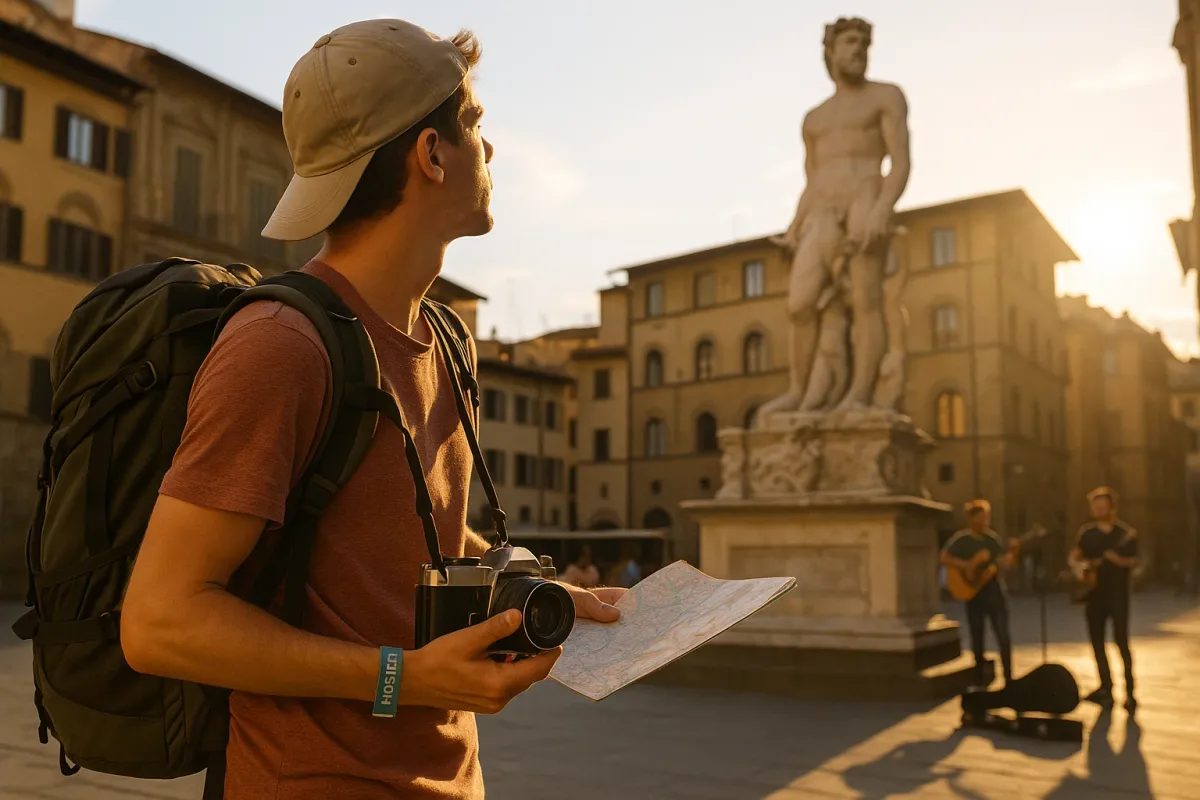
While social feeds fill up with those viral roundups of gravity-defying statues in Dubai, surreal installations in Iceland, and whimsical masterpieces across Europe and Asia, you don’t need a platinum card to join the adventure. You just need a cheap transit ticket, a decent pair of shoes, and a willingness to chase art through city streets like it’s your personal treasure map.
Below is how to turn today’s global obsession with outdoor sculptures into your own low-cost, high-impact travel quest—no museum fees, no VIP passes, just pure discovery.
Turn Cities Into Free Open-Air Museums
Right now, travelers are flooding Instagram and TikTok with clips of mind-bending sculptures from around the world—giant suspended figures that look like they’re flying, statues that appear to melt into the street, and monuments that blur the line between fantasy and engineering. The secret nobody tells you: most of those pieces sit in public squares, waterfronts, and parks. Translation? Your entry ticket is exactly $0.
Build your next city break around a “sculpture safari.” In places like Oslo, Singapore, Prague, or Buenos Aires, you can spend an entire day wandering from one artwork to the next using only a free map and your feet. Start at the main train station or bus terminal and plot a route that chains together 8–10 pieces of outdoor art. Instead of dropping $30–$40 on museum admissions, invest a few dollars in a day transit pass and let trams and metro lines connect your art stops. Every plaza becomes a gallery, every side street a new exhibition. Bonus: you’ll stumble into local markets and neighborhoods you’d never see if you just followed the classic tourist checklist.
Use Viral Sculptures As Your Geo-Tag Cheat Codes
Those trending “50 unbelievable sculptures” articles don’t just inspire wanderlust—they’re basically free research. Travelers are already sharing exact locations, best angles, and even time-of-day tips in comment sections. Treat each sculpture like a GPS pin that unlocks a deeper layer of the city around it.
Say you spot a wild piece from Dubai’s futuristic downtown or a haunting monument on a windswept European coastline in a headline roundup. Screenshot it. When you land in that city—this year or five years from now—pull up your saved images and hunt it down. Use free tools like Google Maps, OpenStreetMap, or Maps.me to search the square, park, or neighborhood name mentioned in the caption. Once you’re there, don’t just snap one photo and leave. Circle the sculpture from every side, notice how locals interact with it, and then wander two or three blocks outward. That’s where you’ll find cheap bakeries, family-run cafés, and supermarkets where you can grab a picnic lunch for the price of a single museum coffee.
Build “Art Trails” That Double As Fitness And Orientation
You don’t need a guided tour to unlock a city’s creativity. With outdoor sculpture trending globally, many cities are quietly publishing free maps of their public art—on tourism websites, in visitor centers, even as PDFs online. Download one before you go, or pick up a free paper copy at the train station or tourist office, then turn your day into a self-guided adventure.
Instead of paying for a hop-on hop-off bus, design a walking or cycling route that links multiple sculptures and murals. Start at dawn or late afternoon to dodge midday heat and crowds. Treat each artwork as a “checkpoint”: when you reach it, pause, stretch, sip water, and actually look before moving on. You’ll end the day with hundreds of photos, easily 10,000+ steps logged, and a mental map of the city that no tour bus can give you. If you’re traveling with friends, turn it into a challenge: first one to find the next piece on the map wins control of the snack budget or chooses the next street food stall.
Let Public Art Guide You To Cheaper Neighborhoods
Those unbelievable sculptures don’t just sit in postcard-perfect downtowns. Increasingly, cities are using bold public art to revive old industrial zones, forgotten waterfronts, or once-overlooked districts on the edge of the center. That’s where your budget stretches further.
When you see a trending article highlight an edgy, lesser-known piece (“hidden under a bridge,” “at the edge of the harbor,” “in a former factory district”), pay attention. Those areas often come with:
- Lower-cost hostels and guesthouses
- Street food markets instead of white-tablecloth restaurants
- Creative co-working spaces and indie cafés with cheap lunch menus
- Community events, free concerts, and night markets around the installations
Use one sculpture as your anchor and then search for accommodation within a 10–20 minute walking radius. You’ll trade tourist traps for real-life neighborhoods, spend less on meals, and still be steps away from some of the most photogenic corners of the city. The art becomes your compass; the savings are just a bonus.
Capture Share-Worthy Shots Without Expensive Gear
As those global sculpture roundups go viral, it’s easy to think you need a high-end camera to join the visual feast. You don’t. The creators behind many of today’s trending images are travelers with nothing more than a mid-range smartphone and a good eye. The trick is not hardware—it’s timing, angles, and curiosity.
Visit key sculptures early morning or just before sunset, when the light is soft and crowds thin out. Walk a full circle around the piece and look for reflections in puddles, windows, or nearby water. Frame locals as silhouettes walking past, or wait for a tram, bike, or seagull to enter the shot and bring it to life. Use free editing apps to tweak brightness and contrast on the go. Then, when you share, tag the city, the neighborhood, and even the artist if you can find their name on a plaque. This not only boosts your post’s discoverability but also turns your budget trip into part of a much bigger global conversation about art, cities, and public space. You become the storyteller—not just the spectator.
Conclusion
While headlines race to compile the wildest sculptures on Earth, you have a chance to do something much more powerful than scroll and dream: you can follow them. Public art is the rare intersection where adventure, culture, and frugality meet—no velvet ropes, no dress code, no bank account checks at the door.
If you’re planning your next escape and your budget feels tight, lean into the trend sweeping your feed. Turn those unbelievable sculptures into your roadmap. Let them pull you through unfamiliar streets, into cheaper districts, across bridges and along waterfronts you might never have touched otherwise. The world’s most astonishing art is out there, under open skies, waiting for anyone bold enough to lace up their shoes and go find it—no first-class ticket required.