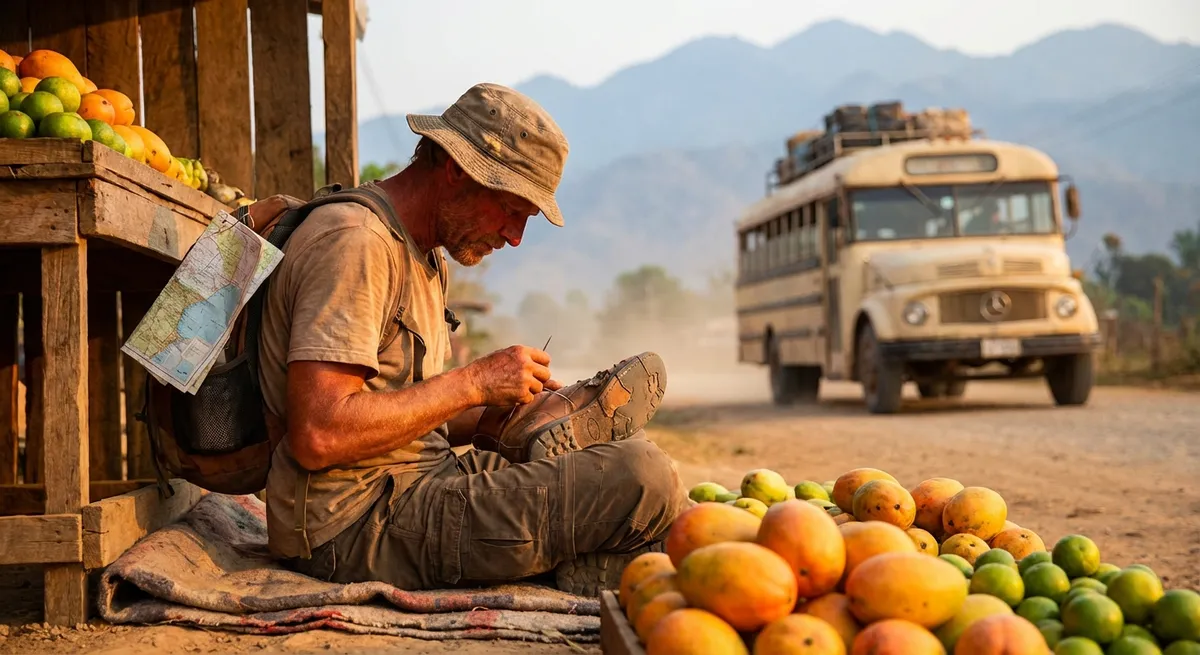
This is your invitation to travel bigger than your bank balance—without being reckless, and without missing the experiences that make a trip unforgettable. Let’s turn a tight budget into the very thing that makes your adventure unforgettable.
1. Sleep Like a Local: Turn Nights Into Their Own Adventure
On a budget trip, where you sleep can be more memorable than what you see.
Skip the generic hotel room and hunt for places with a soul: family-run guesthouses, hostels with communal kitchens, farm stays, mountain huts, and homestays where the host actually remembers your name. In Southeast Asia, you might find yourself in a bamboo bungalow overlooking rice terraces for the price of a fast-food meal back home. In parts of Europe, overnight trains or sleeper buses can double as both transport and accommodation, trading a bed for a moving window of night-sky and distant city lights.
Look for hostels that host walking tours, shared dinners, or language exchanges—these turn cheap beds into connection factories. Shared dorms can feel like a risk, but they’re also where you discover the Canadian who just biked across a continent, or the retiree backpacking solo because “it was finally time.”
To keep it practical and safe:
- Check reviews religiously—prioritize cleanliness, safety, and location over décor.
- Use filters for women-only dorms, private rooms, or family-friendly spots if that fits you better.
- Stay near transit even if it costs a bit more; you’ll save on time, money, and late-night stress.
When you wake up on a rooftop in a city you met only yesterday, sharing sunrise coffee with strangers who already feel like old friends, you’ll understand: budget accommodation isn’t a compromise—it’s the backstage pass.
2. Eat Like You Belong There (Without Emptying Your Wallet)
The fastest way to know a place is to taste it—and you don’t need fancy restaurants for that.
Street food stalls, market counters, and tiny local joints are where the stories are simmering. In Bangkok, steam rises from noodle stalls perfuming the alley with lemongrass and chili. In Mexico City, you can chase the perfect taco from stand to stand for less than the price of a single cocktail back home. In Italy, pizza-by-the-slice and bakery counters can fill you up with ridiculous quality for just a few euros.
Here’s how to keep it bold and budget-friendly:
- Follow the crowds—if locals line up, it’s usually good and safe.
- Shop markets for breakfast or picnic lunches: fruit, bread, cheese, and something local (olives, dumplings, cured meats).
- Cook sometimes—hostels with kitchens are gold mines. Buy local ingredients and host a “global dinner” with other travelers, everyone pitching in a dish or a story.
- Make one “hero meal” per destination where you splurge just a bit on a special spot or regional dish. It becomes an anchor memory instead of a constant slow leak.
Budget food doesn’t mean bland. It means crouching on a plastic stool by the roadside, wiping sauce from your hands with a paper napkin, and realizing you just had the best meal of the trip for the price of a bus ticket.
3. Chase Experiences, Not Expensive Itineraries
It’s easy to believe you need big-ticket tours, luxury excursions, or bucket-list price tags to have a “real” adventure. You don’t.
You can hike to viewpoints at sunrise for free, wander historic districts at your own pace, and slip into city life by riding public transit instead of tour buses. In coastal towns, borrow or rent a cheap bike and follow the shore until the tourist shops fade and real life takes over—kids playing soccer in dusty lots, fishermen fixing nets, neighbors arguing cheerfully in doorways.
Some of the richest moments come from low-cost or free choices:
- Self-guided walking routes through neighborhoods instead of crowded landmark lines.
- Free museum days or discount hours (especially in major cities—many offer them weekly or monthly).
- Local festivals, markets, and community events—often free, and bursting with color, music, and food.
- Nature—beaches, rivers, city parks, and mountain trails don’t ask for your bank details, just your time.
The key is intentionality. Pick one or two “must-pay-for” experiences that genuinely excite you—a dive trip, a cooking class, a unique workshop—and let everything else orbit around simple, honest exploration. You’re not collecting receipts; you’re collecting stories.
4. Move Slow, Spend Less: Let Time Be Your Secret Currency
Fast travel bleeds money. Slow travel multiplies meaning.
Every rushed flight, last-minute train, and panicked taxi is a drip in your budget. But when you choose to stay longer in fewer places, doors open. Weekly hostel rates are often cheaper. You learn bus routes instead of calling cabs. You become a regular at one café, where the barista starts giving you a nod that feels suspiciously like belonging.
Moving slow lets you:
- Score better deals on long-term stays or rentals.
- Avoid peak-hour and last-minute surcharges on transport.
- Recover—not just physically, but mentally, so you can actually feel the places you’re in.
- Learn tiny rituals—when locals have lunch, how markets wake up, where people go on Sunday evenings when the workweek hasn’t started yet but the weekend is almost gone.
You might step off the “must-see” treadmill and spend an afternoon just watching a park. Children playing, elders talking under trees, vendors wheeling carts through the crowd. You’ll start to understand the rhythm of the place—not just its postcard version.
In the end, slow travel turns time from an enemy you’re racing into an ally you’re traveling with.
5. Turn Your Budget Into a Game, Not a Burden
There’s a unique thrill in knowing you stretched your money and your comfort zone at the same time.
Instead of seeing your budget as a set of limits, treat it like a game with movable pieces: if you save on one thing, you can upgrade another. Maybe you skip a taxi and walk an extra mile so you can afford to try that famous pastry shop. Maybe you sleep in a dorm three nights so you can enjoy one private room with a balcony on the fourth.
Practical ways to play this game:
- Use a daily number (not just a total trip budget). Track roughly what you spend so surprises don’t wreck you.
- Group by priorities: food, experiences, beds, transport. Decide what matters most to you and cut ruthlessly from the rest.
- Embrace small “micro-splurges”—like paying for a scenic train instead of the bus once, or getting the seat by the window even if it’s a dollar more.
- Celebrate your wins: that cheap train ticket you scored, the free walking tour that turned strangers into travel buddies, the last-minute hostel discount.
By gamifying your budget, you keep the spirit of adventure alive even when counting coins. Each smart choice becomes its own little victory—proof you don’t need a fortune to feel rich in experiences.
Conclusion
You don’t have to wait for “someday” or a bigger paycheck to step into a larger life. Budget travel is not the consolation prize; it’s the raw, unfiltered version of adventure. It pushes you onto night buses and into crowded food stalls, onto mountain trails at sunrise and into conversations you never saw coming.
You’ll misread bus schedules, fumble currencies, and occasionally sleep badly—but you’ll also stand in places that once felt impossibly far away and realize you brought yourself there. Not with unlimited money, but with intention, creativity, and courage.
The path is open. Your budget isn’t the barrier—it’s the blueprint. Pack light, plan smart, and let the world meet you exactly as you are.
Sources
- Lonely Planet – Budget Travel Tips - Practical strategies for saving on accommodation, transport, and food around the world
- U.S. Department of State – Travel Resources - Official guidance on preparing safely and smartly for international trips
- European Commission – Passenger Rights in the EU - Explains your rights when traveling by air, rail, bus, or boat within Europe
- CDC Travelers’ Health - Up-to-date health advice, vaccinations, and regional information for international travelers
- World Food Programme – Global Food Facts - Insight into local food cultures and markets around the globe, helpful for understanding street food and local eating contexts