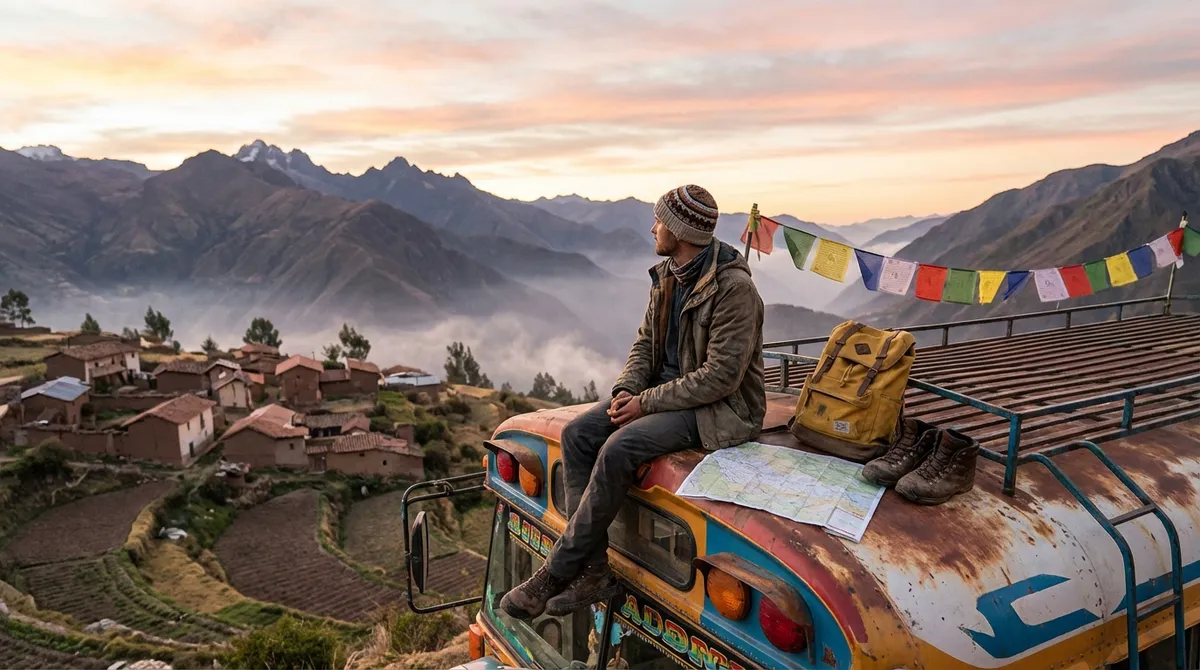
This is your invitation to travel like you’re rich in courage, even if your wallet feels light. Let’s turn small savings into big experiences with five budget-friendly travel moves that feel thrilling, not cheap.
1. Sleep Where Stories Happen, Not Where Towels Are Folded
Swap the anonymous hotel room for places where the walls remember laughter, accents, and late-night conversations.
Hostels, guesthouses, homestays, and small family-run inns can be far cheaper than hotels—and infinitely more alive. Imagine sipping strong coffee on a rooftop in Lisbon while a traveler from Mexico shares bus routes through South America. Picture falling asleep in a Japanese guesthouse where the owner leaves handwritten notes with local tips you’d never find on Google.
To keep it both adventurous and safe, look for:
- Properties with lots of recent, detailed reviews
- Photos of common areas where people actually hang out
- Listings that mention community events, walking tours, or shared dinners
Use your lodging as more than a bed. Let it be your launchpad for friendships, insider knowledge, and last-minute adventures that didn’t make it into any guidebook.
2. Ride Like a Local and Turn Transit Into Adventure
Every time you board a bus instead of a taxi, or a metro instead of a rideshare, you’re not just saving money—you’re stepping into the true rhythm of a place.
Budget travel thrives on public transportation: rattling trams, overnight trains, ferries that cut across turquoise bays. You’ll stand shoulder-to-shoulder with commuters, kids headed to school, and grandparents carrying groceries, seeing how life actually moves there.
Make it easier and cheaper by:
- Buying day or weekly transit passes instead of single tickets
- Downloading offline maps so you can navigate without data
- Visiting official city transit sites for route maps and safety info
The journey between sights becomes a story itself: the wrong bus that led to a hidden café, the train delay that gave you time to watch a fiery sunset over the tracks, the boat ride where a stranger traced you a new route on a napkin.
3. Eat From the Streets, Markets, and Mom-and-Pop Kitchens
Your budget can be small and your meals unforgettable.
Street food, market stalls, and modest local restaurants are where the soul of a place lands on a plate. Instead of expensive “international” menus, follow the smells of grilling, sizzling, and steaming. Line up where locals line up. Eat at plastic tables. Learn the names of dishes from handwritten signs.
To keep it adventurous and safe:
- Choose busy stalls with high turnover and lots of locals
- Watch how food is handled and cooked; heat is your friend
- Ask vendors for their recommendation instead of picking the “safest” thing
You’ll remember the 80-cent bowl of noodles eaten under buzzing lights, or the hot bread bought at dawn from a baker who nodded at your attempt to say “thank you” in their language, long after you forget any pricey restaurant bill.
4. Trade Money for Time: Slow Down and Spend Less
The faster you move, the more you spend. When you slow down, your trip stretches—and so does your budget.
Instead of ticking off five cities in seven days, choose one or two and let them unfold. Weekly apartment rentals are often cheaper per night than short hotel stays. Cooking some of your own meals saves cash and plugs you into local life—grocery stores, markets, and neighbors’ recommendations.
Slower travel gives you:
- Time to walk instead of constantly paying for taxis
- Space to find free or low-cost experiences—parks, beaches, museums on discount days, festivals
- Room to get to know shop owners, café staff, or local guides who might unlock hidden corners for you
When you travel slowly, you stop feeling like a visitor charging through and start feeling like you briefly belong. And belonging—however temporary—costs less and feels richer.
5. Turn Your Skills Into Travel Fuel
You may already carry the most powerful budget travel tool: your own skills.
From teaching a language to remote freelance work, from photography to coding, your abilities can buy you time on the road. Many travelers stretch small savings by working along the way—officially and responsibly—through temporary gigs, online work, or cultural exchange programs that cover room and board.
Think about what you can offer:
- Are you good with kids? Look into au pair or camp programs in other countries.
- Love animals? Farm stays and work-exchanges sometimes offer accommodation in return for help.
- Tech-savvy or creative? Remote work platforms can let you earn from anywhere with Wi-Fi.
Always check visa rules and local laws about work—playing by the rules keeps your adventure sustainable. Instead of returning home when the money runs low, you might find ways to refill your funds while collecting new stamps in your passport.
Conclusion
Budget travel isn’t a compromise; it’s a different definition of luxury.
It’s the luxury of time instead of pressure, conversations instead of concierge desks, stories instead of souvenirs. When you choose hostels over hotels, buses over private cars, markets over white-tablecloth restaurants, you’re not “settling.” You’re stepping closer to the living heartbeat of a place.
Your next adventure doesn’t have to wait for a raise, a windfall, or “someday.” It can start with a cheap bus ticket, a weekend stay in a shared dorm, or a home-cooked meal in a city you can reach by train.
Pack your courage. Pack your curiosity. The world is wide, and your budget is big enough to meet it—one bold, thrifty step at a time.
Sources
- Hostelling International – Overview of hostel stays, safety, and benefits of shared accommodation
- U.S. Department of State – Country Information – Official guidance on visas, local laws, transport, and safety for destinations worldwide
- Lonely Planet – Budget Travel Tips – Practical advice and strategies for saving money while traveling
- Rick Steves Europe – Public Transportation Basics – In-depth guidance on using public transit efficiently and affordably
- CDC Travelers’ Health – Health and food safety considerations for travelers to different regions