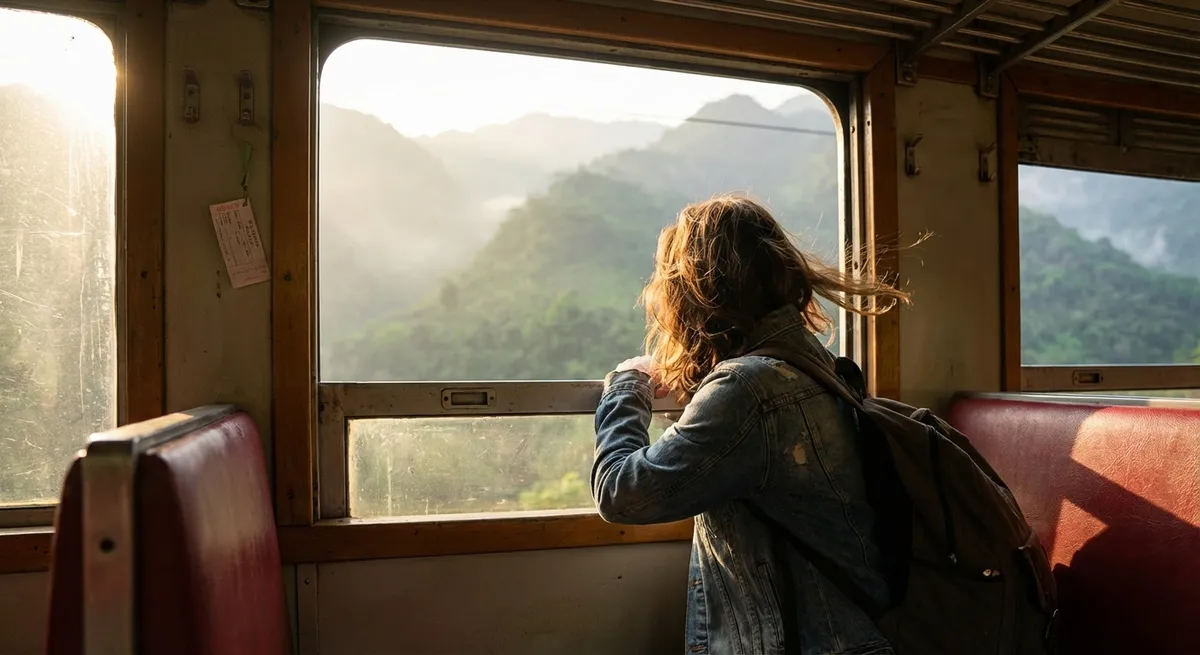
Below are five powerful shifts that turn low-cost trips into high-impact adventures—no trust fund required.
1. Sleep Where the Story Is, Not Where the Lobby Is Shiny
When you’re traveling on a budget, the most powerful question you can ask isn’t “Is this hotel nice?” but “Will I remember this place?”
Skip the polished-but-forgettable chain hotel on the main boulevard and look for places that plug you straight into the local heartbeat. Family-run guesthouses, hostels with shared kitchens, farm stays, monastery lodgings, or simple beach cabanas often cost a fraction of resort prices—and come with something money can’t easily buy: stories.
You might wake to the sound of roosters and church bells instead of elevators, share breakfast with a retired couple biking across the country, or learn a few words of the local language from a host who’s been in that neighborhood for 40 years. These interactions become the trip.
Practical tips:
- Use filters for “guesthouse,” “pension,” or “agriturismo” (in Europe) on booking platforms.
- Check hostel listings for private rooms if dorms aren’t your thing; they can undercut hotel prices by 30–50%.
- Read the written reviews (not just the star rating) to find mentions of hosts, neighborhood vibe, and noise levels. That’s where the character—and the potential deal breakers—show up.
Budget travel isn’t about the cheapest bed; it’s about the most meaningful bed you can afford.
2. Let Transit Become the Adventure, Not Just the Transfer
Most travelers treat getting from A to B as a necessary hassle. Budget travelers can turn it into a front-row seat on everyday life.
Long-distance buses, regional trains, ferries, and shared vans are often dramatically cheaper than flights—and they gift you slow, cinematic windows into a country. You’ll watch landscapes shift, hear local music leaking from someone’s headphones, see how people dress for work or school, and maybe share snacks with the person next to you who insists you can’t leave without trying this local candy.
Leaning into “slow transit” doesn’t just save money; it expands your sense of where you are. The world feels bigger from a train window than from an airplane aisle seat.
Practical tips:
- Look up regional rail and bus passes; many countries offer discounted multi-day options that beat single tickets.
- For night journeys, consider sleeper buses or trains. They can double as your accommodation for the night, freeing up your budget for a splurge day later.
- Pack a small “transit kit”: eye mask, earplugs, scarf or light sweater, offline maps, downloaded podcasts or ebooks. Comfort turns a cheap ride into a moving sanctuary.
Once you see transit as part of the trip, not time lost, your budget starts working twice as hard.
3. Eat Like You Live There: Markets, Street Food, and Tiny Corners
The fastest way to overspend is to eat every meal like a tourist. The fastest way to feel alive in a new place is to eat like you’re part of the neighborhood.
Street food, family-run spots, and local markets are where flavor, culture, and savings intersect. For the price of a bland “international menu” dish in a tourist zone, you could sample three or four different specialties from food stalls, each with a local story behind it. Breakfast from a bakery or market stall, a picnic lunch from the supermarket, and an early dinner where office workers are dining can slash your daily food costs—without sacrificing taste.
Practical tips:
- Follow the lines. A long queue of locals at a simple stall is often a better seal of approval than any travel blog.
- Eat your “big meal” at lunchtime. Many destinations offer set lunch menus (like Europe’s menu del día) at a fraction of dinner prices.
- Visit a grocery store within your first 24 hours. Stock up on snacks, fruit, and quick breakfasts—you’ll cut impulse spending when you’re hungry and tired.
- Learn a couple of food words in the local language: “specialty,” “spicy,” “vegetarian,” “no meat,” or “recommended.” It earns smiles and better suggestions.
Budget food doesn’t mean boring food. In most corners of the world, “cheap” and “authentic” are on the same plate.
4. Build Your Itinerary Around Free Awe, Not Paid Attractions
Some of the world’s most powerful travel moments cost absolutely nothing: dawn on a city bridge, a sunset from a hillside, a local festival you stumbled into, a forest trail that smells like rain. When you’re watching your budget, these become your secret superpower.
Instead of starting with the most expensive attractions and squeezing in free things later, flip the script. Begin with hikes, viewpoints, parks, rivers, historic neighborhoods, self-guided walking routes, public art, and local cultural events—then selectively add a few paid experiences that matter most to you.
This approach keeps your days full and your spending intentional. You won’t pay $30 to shuffle through a museum you’re “supposed” to visit if what truly lights you up is people-watching in the plaza for two hours with a $3 coffee and your journal.
Practical tips:
- Before you arrive, search “[city] free walking tour,” “[city] public parks,” and “[city] local events calendar.” Many cities host free concerts, exhibitions, or community festivals.
- Download offline walking routes from apps or tourism sites; some cities publish themed trails (street art, history, waterfront).
- Pick one or two “anchor” paid experiences per destination, instead of vacuuming up every ticketed attraction. You’ll remember the highlights more—and your wallet will thank you.
The world doesn’t charge admission for its best light, its air, its silence, or its street music. Build your trip around those.
5. Master the Art of the “One Bold Upgrade”
When money is tight, it’s easy to fall into an all-or-nothing mindset: either splurge wildly or deny yourself everything. The smarter move—especially for unforgettable budget travel—is the “one bold upgrade.”
By trimming costs on things you care about less (generic hotels, tourist-trap meals, impulse souvenirs), you create space for one high-impact experience that you’ll talk about for years. That might be a hot-air balloon ride over desert sands, a guided trek into a glacier valley, a cooking class in someone’s home, or a small-group boat trip at sunrise.
Because you’ve chosen this upgrade intentionally, it hits harder. You notice every detail: the way the air feels, how your guide laughs, how your heart pounds just before that cliffside viewpoint appears. One well-chosen splurge can anchor an entire trip in your memory.
Practical tips:
- Before your trip, write down your “trip headline”: what story do you want to be able to tell when you get home? Let that guide your upgrade.
- Check if your dream experience has off-peak discounts, weekday pricing, or last-minute deals.
- Protect your upgrade fund by setting it aside in your budget from day one—label it, even. When you’re tempted by small daily extras, remember what you’re saving for, not what you’re saying “no” to.
Budget travel doesn’t mean never saying yes. It means saying a powerful, unforgettable yes to the right thing.
Conclusion
Travel doesn’t have to be expensive to feel enormous. When you choose lodgings with heart instead of marble lobbies, let buses and trains turn into moving stories, hunt for flavor where the locals eat, chase free wonder instead of ticket lines, and reserve your money for one unforgettable leap—you’re not “making do.” You’re traveling with intention.
The world is wide open to those who are willing to trade a little polish for a lot of presence. With a smart budget and an adventurous mindset, you don’t need more money to travel better. You just need to step out your door, eyes up, ready to let the unexpected in.
Sources
- U.S. Department of State – Travel Budgeting Tips - General guidance on planning and budgeting for trips abroad
- European Commission – Interrail and Eurail Information - Details on rail passes and affordable train travel options in Europe
- Hostelling International - Global directory of hostels and budget accommodations with community-focused stays
- Lonely Planet – Budget Travel Advice - Practical strategies for saving money on transport, food, and activities
- National Park Service (USA) - Information on free-access days and low-cost outdoor experiences in U.S. national parks