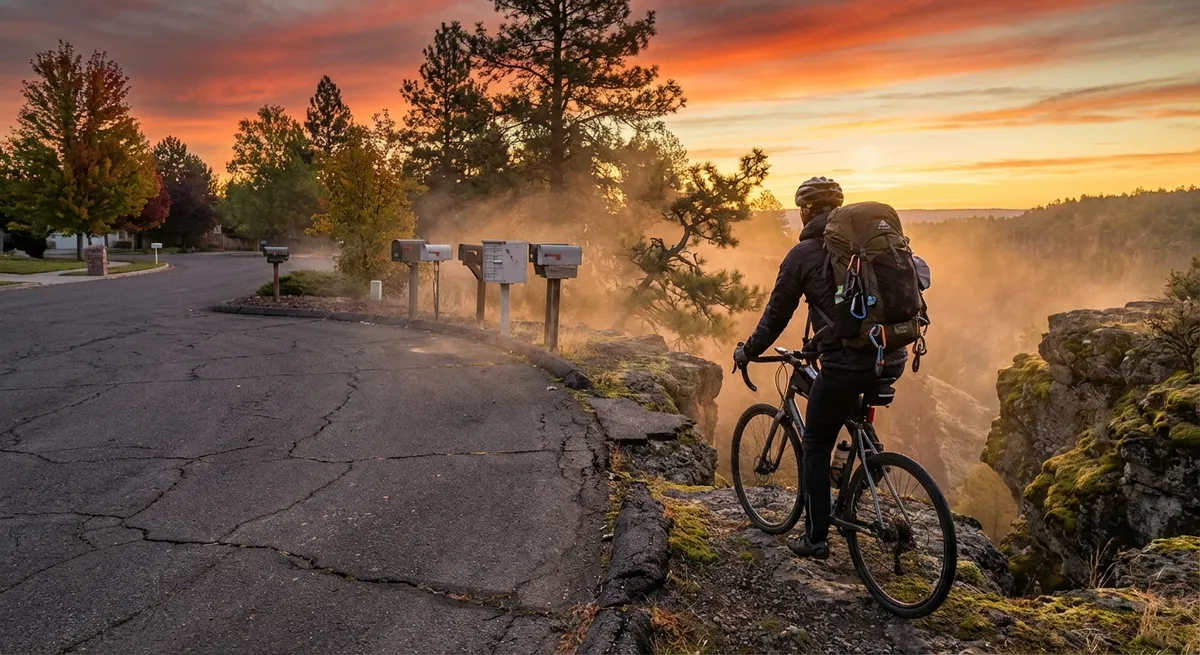
1. Follow the Sound of Unknown Streets
Adventure often starts with a simple decision: step outside without a script.
Wake up early in a new city and walk with no agenda except curiosity. Let the sound of clinking cups guide you to a hidden café where locals crowd around small tables, or follow the echo of laughter down a side alley that isn’t on your map. This kind of unstructured wandering invites you to experience a place as it really breathes—beyond the brochure shots and top‑ten lists.
Leave an hour each day with no fixed plan and a loose rule: turn toward what intrigues you. If a market spills into the street, explore every stall. If you hear live music, track it to its source. Ask for directions from someone who looks like they have time to talk; you’re not just asking for a route, you’re opening the door to a conversation, a recommendation, maybe even an invitation.
Practical move: download an offline map, mark your accommodation, and then let yourself drift. You’ll feel that electric mix of safety net and freedom—and you might find that the best parts of your trip are the ones you never meant to have.
2. Trade the Viewpoint for the Trail
The real magic usually lives beyond the parking lot.
Instead of stopping at the scenic overlook, keep going—onto the trail, into the forest, along the ridge. A viewpoint shows you a place; a hike lets you meet it. The rhythm of your footsteps, the crunch of gravel, the way your breath syncs with the incline—it all drops you straight into the moment. You’re not just watching the landscape; you’re earning it.
Start with a short trail that pushes you just a bit beyond your normal activity level. Pack water, a snack, and layers. Check the local park or national park website for recommended beginner routes and current conditions. Once you’re out there, slow down. Notice how the colors shift as clouds roll by or the way the air cools when you step under a dense canopy of trees.
The payoff is rarely just the final view. It’s the small victories along the way: choosing to keep climbing when your legs complain, feeling the fear of a steep section and doing it anyway, or sharing a wordless, sweaty grin with another hiker on the way up. Adventure is cumulative—you build it one step at a time.
3. Say Yes to the Small Scary Thing
Most life‑changing moments don’t look dramatic from the outside. They look like a quiet yes.
Maybe it’s agreeing to join a local cooking class when you’ve never boiled more than pasta, signing up for a beginner surf lesson even though you’re not sure about waves, or renting a bike in a city where you’ve never ridden in traffic. These “small scary things” are the pressure points of growth—you’ll feel your pulse spike just enough to know you’re stepping into something bigger than your routine.
Instead of asking, “Am I good at this?” ask, “Will this expand my story?” You don’t need to be fearless; you just need to be curious enough to move through the nerves. Tell the instructor you’re new. Laugh when you stumble. Notice how quickly strangers turn into teammates when everyone is out of their depth together.
Practical move: on each trip, choose one activity that makes you a little nervous but is still within reach—zipline, kayak, dance class, local festival, night food tour. Book it early so you don’t talk yourself out of it. Future you will be grateful that present you decided to be a little brave.
4. Let Local Flavors Rewrite Your Comfort Zone
Adventure can be as close as your next bite.
Skip the familiar global chain you recognize and step into the busy, slightly chaotic place where menus might not be in your language and dishes arrive that you didn’t quite expect. Food is one of the fastest, most joyful ways to understand how a place loves, celebrates, and comforts itself. Spices, textures, and cooking styles tell a story of climate, history, migration, and tradition.
Start by asking a local, “Where would you take a friend visiting for the first time?” Then go there. If the menu feels overwhelming, ask the server what they’re proudest of, or point at what others are eating and say, “That looks incredible—what is it?” Aim to try at least one dish or drink you’ve never heard of before in every destination.
Pack a small sense of adventure along with basic food safety common sense: choose busy spots, look for high turnover, and check recent reviews if you’re unsure. That first cautious bite might turn into a lifelong favorite or at least a legendary story about “that one time I tried ___ and everything changed.”
5. Chase Moments, Not Mileage
Adventure isn’t measured in passport stamps—it lives in the depth of your experiences.
Instead of racing through five cities in five days, consider giving yourself permission to stay longer in fewer places. Walk the same neighborhood at sunrise, midday, and late evening and watch it transform. Learn the name of the person who serves your coffee. Notice how your second or third day in a place feels lighter, calmer, and more connected than the first.
Pick one or two “anchor experiences” you really care about—maybe a sunrise summit, a train ride through the countryside, or a festival that only happens once a year—and build your trip around them. Leave white space in your schedule for serendipity: the last‑minute invite, the local recommendation, the spontaneous detour. Those unscripted hours often become the highlight reel you replay for years.
Practical move: before your trip, write down a short intention instead of a long checklist. Something like, “I want to feel what it’s like to live here for a few days,” or “I want to reconnect with my sense of awe.” Let that intention guide your choices on the ground. When you look back, you’ll remember the moments where you felt fully awake to your life, not just the things you checked off.
Conclusion
Adventure doesn’t wait for perfect timing, a certain budget, or the “right” level of experience. It’s built from the choices you make with the day in front of you: to follow an unknown street, to keep walking past the viewpoint, to say yes when your instinct is to hesitate, to taste something new, to slow down instead of speed through.
Some of these choices will leave you breathless. Some will leave you humbled. All of them will leave you changed.
The world is full of wild edges—places, people, and moments that stretch you just enough to find out who you are when the script runs out. Stand on one of those edges. Take a step. That’s where your next story begins.
Sources
- U.S. National Park Service – Hiking Safety & Tips - Guidance on preparing for trails and staying safe while exploring beyond standard viewpoints
- Centers for Disease Control and Prevention – Travel Health - Up‑to‑date advice on staying healthy while trying new activities and foods abroad
- UN World Tourism Organization – Tourism Highlights - Data and insights on global travel patterns that underline the value of immersive, slower travel
- BBC Travel – Culinary Journeys - Exploration of how local food offers deeper cultural connection and adventure
- Lonely Planet – Responsible Travel Tips - Practical ways to engage more authentically and respectfully with local communities while adventuring