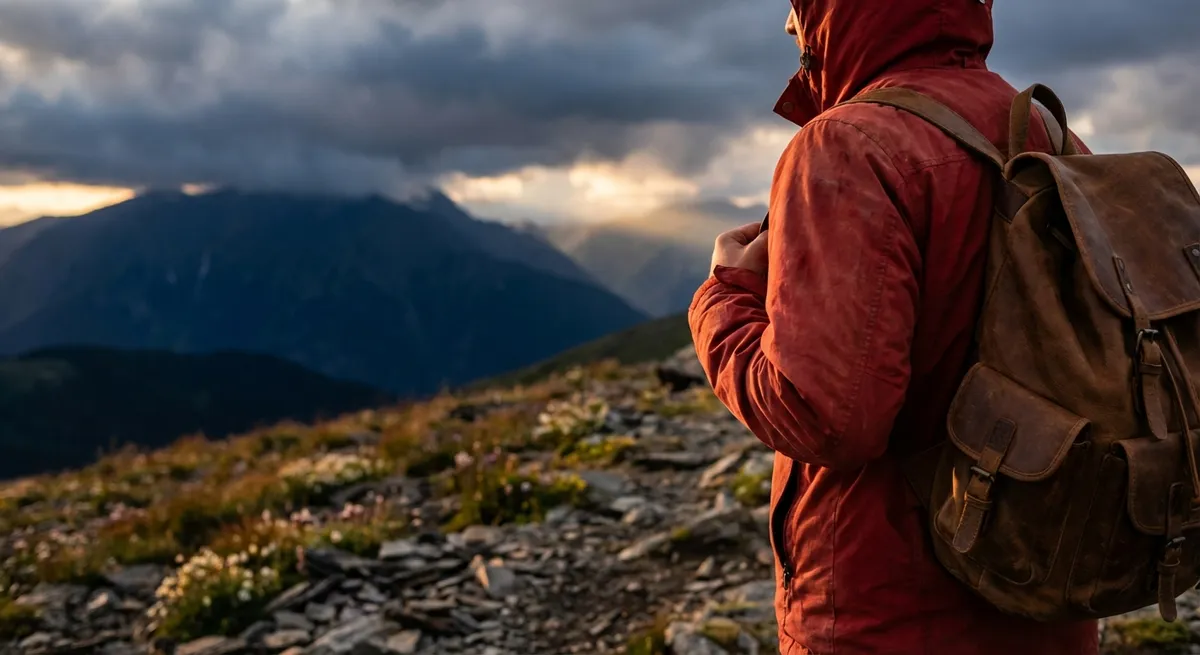
This is your invitation to chase five kinds of adventures that don’t just look good in photos—they leave fingerprints on your memory. Each one comes with vivid possibilities and grounded, practical advice so you can stop scrolling and start moving.
1. Follow the Water: River Journeys That Rewrite the Day
There’s something primal about moving with a river. It decides the pace, the mood, and the story; you just agree to show up and keep paddling. From glassy dawn reflections to roaring canyon runs, rivers turn a single day into a string of mini-adventures: rapids, quiet pools, hidden beaches, and campfires under star-flooded skies.
If you’re new, look for guided kayak or rafting trips on beginner-friendly rivers where outfitters provide gear and safety briefings. Start with half-day paddles to learn how to read currents and practice basic strokes, then build toward multi-day journeys where you camp on gravel bars and cook over open flames. Pack quick-dry layers, a dry bag for phone and documents, sun protection, and a small first-aid kit. The reward? You’ll learn how it feels when your muscles understand a river’s rhythm—and how surprisingly easy it is to leave the noise of paved roads behind.
2. Sleep Where the Sky Has No Ceiling
The first time you sleep outdoors without a roof, everything feels amplified: stars like pinpricks, the crackle of branches, the wind tugging at your sleeping bag. Trading walls for wilderness is more than a change of scenery—it’s a reset for your nervous system, a reminder that your body was built for more than chairs and screens.
Start simple with a well-managed campground or dark-sky park where facilities and rangers are nearby. Graduate to backcountry camping when you’re comfortable with navigation, food storage, and Leave No Trace principles. Bring a headlamp, extra warm layers, and a sleeping system rated for the coldest expected night. Keep food sealed and stored away from where you sleep, and always check local rules about fires and wildlife. The payoff is waking to birdsong instead of alarms, measuring time by sunrises and campfire embers, and realizing that “home” can be as temporary and magical as a tent beneath a Milky Way you’d forgotten was there.
3. Climb Into the Vertical World
Standing at the base of a rock face, the wall looks impossible. Then you find one handhold, one ledge for your toes, one deep breath that carries you higher than your fear thought you could go. Climbing—whether on real rock or indoor walls—is a direct conversation between your courage, your body, and gravity.
If you’re curious, start at a local climbing gym where you can learn knots, safety checks, and movement basics with a harness and top rope. Once you understand belaying and communication, consider hiring a certified guide for your first outdoor climb. Wear snug but comfortable shoes, a helmet outdoors, and flexible clothing. Focus on pushing with your legs instead of pulling with your arms, and treat every move as a puzzle rather than a test. The true adventure isn’t the grade you climb; it’s the moment you trust your feet on a tiny edge and realize you are far more capable than your comfort zone ever suggested.
4. Wander Off-Season: Claim the Quiet Version of Famous Places
Adventure isn’t always about remote locations; sometimes it’s about timing. Choosing the “wrong” season on purpose can transform heavily touristed places into near-private playgrounds. Think frost-coated trails in a national park known for its summer crowds or a coastal town in winter when the wind is wilder and the pace slower.
Research shoulder or off-season months for your dream destination: when local businesses are still open but the crowds thin. Pack for unpredictable weather—layers, waterproof shells, and footwear with good traction—and check transportation schedules, as services can be reduced. Be flexible with itinerary shifts due to storms or closures. In exchange, you’ll get cheaper stays, shorter lines, and conversations with locals who actually have time to talk. Off-season travel teaches you to see beyond the “postcard moment” and find adventure in foggy mornings, empty viewpoints, and the thrill of feeling like a place is temporarily yours.
5. Chase a Skill, Not Just a Stamp in Your Passport
The most lasting adventures aren’t about how many borders you cross; they’re about how deeply you engage. Learning a place through a skill—surfing, backcountry navigation, local cooking, wildlife tracking, or even traditional crafts—turns a trip into an apprenticeship with the world as your classroom.
Before you go, pick one skill that genuinely excites you and build your itinerary around it. Sign up for reputable local classes or guided workshops; look for small-group experiences where you can ask questions and practice hands-on. Plan extra days to repeat and refine what you learn: riding more waves, navigating more trails, cooking more dishes. Pack a notebook or use your phone to record methods, terms, and insights. You’ll return with more than photos: you’ll come back with a new way of seeing landscapes, people, and your own capacity to grow. That’s the kind of adventure that keeps unfolding long after your flight lands.
Conclusion
Adventures like these don’t demand that you quit your job, sell everything, or become someone else. They invite you to be more fully yourself—curious, a little scared, and brave enough to act anyway. Follow a river. Trade ceilings for stars. Trust your grip on the rock. Seek out silence in famous places. Chase skills instead of souvenirs.
The wildest part isn’t the destination; it’s the decision to step toward it.
Say yes to one of these adventures, even in its smallest form. Your future self—the one with river-strong shoulders, sky-deep lungs, and memories etched into muscle—will be waiting, just a little further down the trail.
Sources
- National Park Service – Camping and Overnight Stays - Guidance on camping options, safety, and regulations in U.S. national parks
- American Whitewater – Safety Code - Best practices and safety principles for river and whitewater adventures
- Access Fund – Climbing Safety and Education - Resources on responsible and safe rock climbing outdoors
- Leave No Trace Center for Outdoor Ethics - The seven core principles for minimizing impact while adventuring outdoors
- U.S. Travel Association – Travel Trends and Seasonality - Data and insights on travel patterns, including off-season and shoulder-season trends