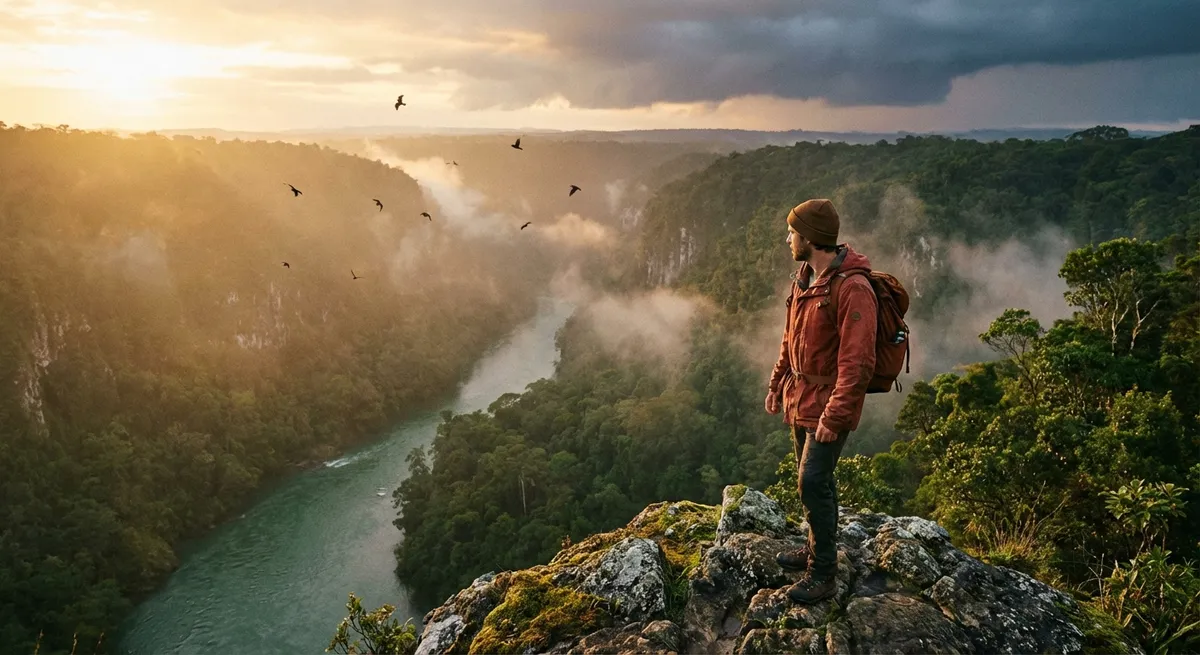
Below are five kinds of places—not just pins on a map, but experiences—that travelers chase when they’re ready to feel fully alive again. Each point includes vivid ideas and grounded tips so you can stop daydreaming and start planning.
1. High-Altitude Worlds Where the Sky Feels Close Enough to Touch
There’s a moment, somewhere above the treeline, when the air thins and the horizon stretches so far it feels like you can see the curve of the earth. High-altitude destinations—think the Himalayas, the Andes, or the Atlas Mountains—don’t just offer views; they offer perspective. Sunrises break like liquid gold over ridgelines, prayer flags snap in the wind, and villages cling to slopes in defiance of gravity.
In these places, every step reminds you that your body is stronger than your doubts. Trails zigzag past glaciers and quiet stone monasteries; mountain passes open onto valleys where rivers look like silver threads from above. The nights are colder but infinitely clearer—stars scatter across the sky in a way city lights never allow.
Practical moves: ascend gradually to avoid altitude sickness, stay hydrated, and build in “rest days” into your itinerary. Look for local guides—often former shepherds or lifelong mountaineers—who can lead you along trails tourists rarely find. Travel in shoulder seasons for clearer paths and fewer crowds, and respect local customs when passing shrines or prayer sites. In these elevated worlds, humility is the ultimate passport.
2. Remote Islands Where Time Slows and the Ocean Sets the Rhythm
On a far-flung island, clocks stop mattering. The tide chart becomes your calendar, and the sun your only reliable meeting reminder. Wave-battered cliffs, jungled interiors, and villages with more boats than cars create a kind of magic that mainland life can’t replicate. Whether it’s a windswept North Atlantic rock, a volcanic speck in the Pacific, or a coral-ringed atoll, remote islands pull you into a gentler, deeper pace.
Mornings might start with fishermen quietly hauling in nets while seabirds circle above. Afternoons blur into warm, salt-sticky hours of snorkeling, cliff walking, or riding old bicycles along single-lane roads lined with flowers. Nights belong to bonfires, shared stories, and skies freckled with stars, unbothered by light pollution.
Practical moves: ferry schedules and small-plane flights can be quirky—build buffer days into your trip and pack essentials in your carry-on. Embrace local guesthouses instead of big resorts to get closer to everyday island life. Learn a few words in the local language; island communities often have tight-knit cultures that open up when you show genuine interest. And always respect fragile coastal ecosystems: reef-safe sunscreen, no souvenir shells, and no stepping on coral.
3. Desert Frontiers Where Silence Has Its Own Soundtrack
Deserts are not empty; they’re simply edited down to the essentials. Sand seas roll into the distance like frozen waves. Rock formations glow red at sunset, then purple, then black as the sky erupts in constellations. In places like the Sahara, the Arabian Peninsula, the Atacama, or the American Southwest, you discover that silence is not the absence of sound, but a different kind of music.
Days can be brutally bright and honest. Heat bounces off canyon walls, camels or 4x4s draw slim tracks across dunes, and wind-carved cliffs tell stories written over millions of years. Come nightfall, desert camps come alive: mint tea steaming in tin cups, lanterns swinging gently in the breeze, and drums or quiet songs floating out under the Milky Way.
Practical moves: this is a landscape that demands respect. Travel with reputable desert guides who know the local weather, water sources, and cultural norms. Carry more water than you think you need, wear loose long sleeves and a wide-brimmed hat, and protect your electronics from sand. Aim for sunrise and sunset excursions to avoid midday extremes—and remember that temperatures can plunge after dark, so a warm layer is non-negotiable.
4. Ancient Cities Where Every Alleyway Has a Story
Some cities feel like museums; others feel like living novels. The ancient ones—layered with centuries of trade, conquest, art, and faith—offer a kind of time travel you can walk through. Cobblestone streets worn smooth by thousands of footsteps, markets where spices paint the air, and archways opening into courtyards filled with fountains and birdsong.
In these destinations, history isn’t behind glass—it’s under your feet, baked into the stones of city walls and whispered from balconies draped in laundry. You might wander through labyrinthine old quarters, step into cool stone cathedrals or temples during the heat of the day, then surface into plazas where life spills outward: street performers, espresso cups clinking, vendors calling in voices shaped by generations.
Practical moves: trade rigid checklists for organic wandering. Start your day early to see monuments in softer light and thinner crowds. Join at least one walking tour with a local historian or guide; you’ll hear the stories behind the facades, not just the dates. Seek out public transit, corner cafés, and neighborhood parks to feel the city’s everyday pulse. And always dress respectfully when visiting religious or culturally significant sites—blending in opens more doors than standing out.
5. Wild Water Landscapes Where Movement Becomes Your Guide
Follow the water and you’ll find motion, adventure, and renewal. From thunderous waterfalls crashing into mist-shrouded pools to glacial lakes that glow an impossible turquoise, water has a way of making any destination feel cinematic. Add in rivers cutting through gorges, fjords slicing into mountain ranges, and coastlines where waves pound against black volcanic rock, and you’ve got nature’s most dynamic stage.
These are the places for travelers who like to move: kayaking through narrow inlets mirroring the sky, hiking along cliff-side trails that dip in and out of sea spray, or standing at the base of a roaring cascade feeling its power hit your chest. Even quiet moments—floating on a calm lake at sunrise, or watching bioluminescent waves glow electric blue at night—reset your sense of wonder.
Practical moves: research seasonal patterns before you go; certain waterfalls and rivers are only impressive—or safe—at specific times of year. Book local guides for activities involving rapids, glaciers, or open water; their knowledge can mean the difference between “epic” and “dangerous.” Pack proper layers and waterproof gear, and always respect safety barriers near cliffs or fast-moving water. Wet shoes, windblown hair, and a soaked jacket are small trade-offs for memories you’ll carry for years.
Conclusion
The world is full of destinations that do more than fill your camera roll—they rewrite the way you experience being alive. High-altitude horizons, slow islands, echoing deserts, storied cities, and restless waters all offer different versions of the same invitation: step out of your complacency and into something more vivid.
You don’t have to cross an ocean to answer that call; sometimes the “wild” is a day’s journey from home. What matters is not how far you go, but how open you are when you get there—to new landscapes, new people, and the new sides of yourself that only emerge when the map feels a little unknown.
Pick one kind of place that’s tugging at you, circle a date on the calendar, and start stitching together the details. Your next destination isn’t just a spot on the globe. It’s a new chapter waiting for you to show up.
Sources
- Centers for Disease Control and Prevention – High-Altitude Travel & Altitude Illness - Medical guidance and practical advice for staying healthy at elevation
- National Park Service – Desert Hiking Tips - Safety recommendations and preparation strategies for desert environments
- UNESCO World Heritage Centre – World Heritage List - Official list and descriptions of culturally and naturally significant sites, including ancient cities and unique landscapes
- NOAA – Tides & Currents - Data and explanations about tides and coastal conditions relevant for island and coastal travel planning
- National Geographic – Travel - In-depth features on destinations worldwide, with a focus on nature, culture, and responsible exploration