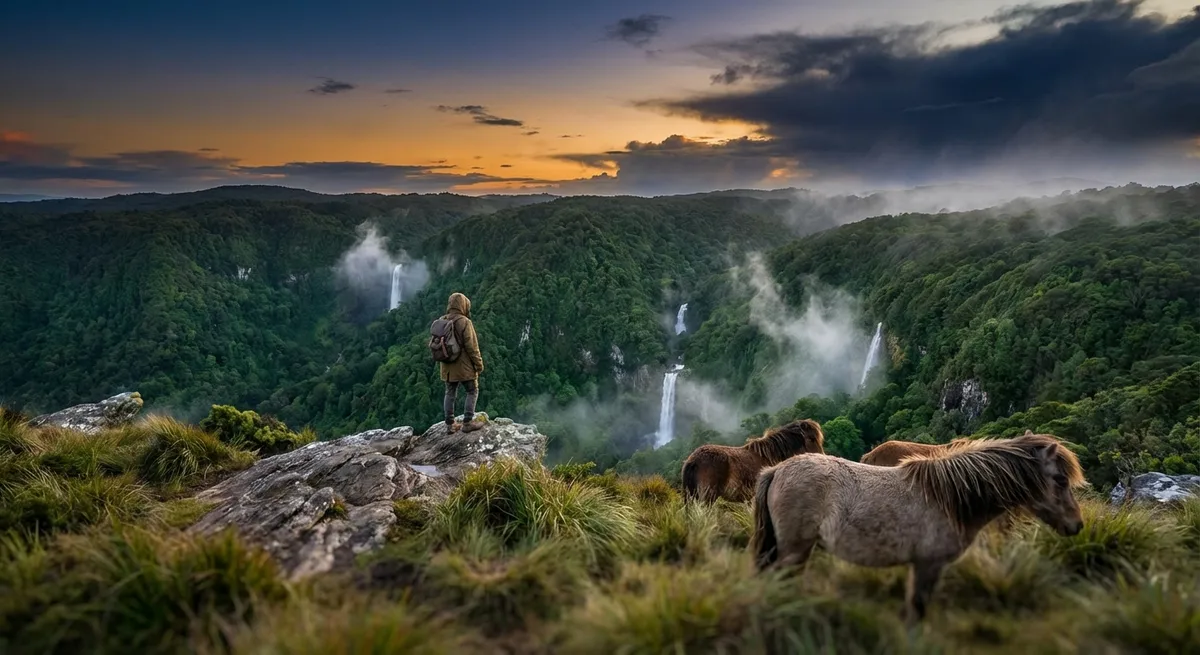
Below are five pulse-quickening destination ideas—each with a vivid experience and practical tips—designed for travelers who want more than just a pretty view.
1. Patagonia’s Wind-Carved Silence: Hiking at the Edge of the World
Patagonia, stretching across southern Chile and Argentina, feels like the planet turned up to full volume. Glaciers glow electric blue, granite towers knife into the sky, and the wind roars so hard it feels like a second heartbeat. Trails in Torres del Paine and Los Glaciares aren’t just walks; they’re moving panoramas—condors circling, ice calves crashing into lakes, and cloud systems racing over jagged peaks. You’ll end each day with the kind of tired that feels like a new beginning: legs aching, eyes wide open.
To make the most of Patagonia, plan for fast-changing weather and long daylight hours (especially in the southern summer, November to March). Book key refugios or campsites in national parks well in advance, then leave the rest of your schedule loose—storms, wind gusts, or unexpected sunbursts can change your plans in minutes. Choose one “hero hike” (like the W Trek or the Fitz Roy trails) and balance it with shorter day hikes so your body and curiosity can keep pace with each other.
2. Night Skies in the Namib: Sleeping Under a Billion Stars
The Namib Desert in Namibia is one of the oldest deserts on Earth—so ancient it feels more like a memory than a place. Dunes rise like frozen waves in colors that shift from rust to ember as the sun falls. But the real magic starts after dark. Under one of the world’s clearest night skies, you see the Milky Way not as a faint smudge but as a glowing river. Shooting stars cut across the black, and unfamiliar constellations appear, reminding you that you’re far from home in the best possible way.
For a truly immersive experience, stay in lodges or camps that offer open-air or rooftop sleepouts. Time your visit for the dry season (generally May to October) for clearer skies, and consider joining a guided night walk or astro-tour to understand what you’re seeing. Bring a headlamp with a red-light setting so you can move around camp without washing out the stars, and pack layers—the desert can be surprisingly cold once the sun disappears.
3. Slow Islands of the Cyclades: Chasing the Glow from Sunrise to Moonrise
Far from the packed promenades of party beaches, the quieter Greek islands in the Cyclades—like Naxos, Amorgos, or Folegandros—offer a slower kind of awe. Whitewashed villages hug cliffs above the sea; old stone paths link tiny chapels and hilltop lookouts; tavernas spill music and grilled-seafood scents into the alleys late into the night. Here, the magic lives in the small rituals: swimming at sunrise when the water is glassy, sipping thick coffee under a bougainvillea-draped terrace, wandering until a hidden cove becomes your private blue universe.
To feel the islands instead of just seeing them, travel shoulder season (late April–June or September–early October) when ferries are running but crowds are thinner. Base yourself on one island for several days rather than island-hopping in a blur; use local buses, scooters, or hikes to explore. Ask where the locals eat, then return to the same place twice—you’ll likely leave with a favorite dish and your name remembered. Carry cash for smaller villages, and give yourself at least one sunset with no photos—just watch the light wash the houses in gold and let that be enough.
4. Volcano Paths in Java: Walking Where the Earth Breathes
On Indonesia’s island of Java, the ground doesn’t just sit still—it speaks. Sunrise at Mount Bromo feels otherworldly: you stand on a rim, watching a smoking crater glow while mist seeps through a valley of other volcanoes. Not far away, at Kawah Ijen, a turquoise-acid crater lake steams in the early light, while blue flames flicker from sulfur vents in the dark. These aren’t just photo ops; they’re living reminders that the planet is molten under your feet, still forming, still restless.
Safety and respect are non-negotiable here. Visit during the dry season (roughly May to September) for more reliable conditions, and always check local alerts on volcanic activity before you go. Join local guides who know the trails, gas patterns, and safe viewpoints—especially at Ijen, where sulfur fumes can be intense. Pack a proper respirator mask and goggles, not just a thin face covering. Start hikes in the early hours to watch the world light up around you and to avoid crowds on the return. When you stand on a crater edge, keep your distance, stay aware of your footing, and remember: this is the Earth mid-breath. Treat it accordingly.
5. Frozen Light in Finnish Lapland: Chasing Winter’s Quiet Magic
In Finnish Lapland, winter doesn’t feel like a season; it feels like a realm. Snow weighs down the forests until the trees look like silent, strange creatures. Days are short, the twilight lingering in violet and rose, and when darkness finally settles, the sky sometimes answers with a swirl of green and purple auroras. Travel by dogsled or snowmobile, snowshoe through frost-covered woods, or warm up in a lakeside sauna before plunging into an ice hole that jolts every nerve awake. It’s a destination for those who want to see how alive “cold” can be.
Plan between December and March for the most reliable snow and northern lights chances, but stay flexible: auroras follow solar weather, not your itinerary. Increase your odds by staying several nights in darker, rural areas like Saariselkä, Levi, or Rovaniemi’s outskirts. Dress in layers: moisture-wicking base, warm mid-layer, and windproof outer shell; don’t underestimate the importance of good gloves and insulated boots. Book at least one guided aurora chase—but also leave room for unscripted nights when you simply step outside your cabin, breath steaming, scanning the sky for a silent green curtain suddenly appearing overhead.
Conclusion
The destinations that stay with you aren’t always the most convenient or comfortable—they’re the ones that demand your attention, your presence, and a bit of your courage. From Patagonia’s relentless winds to the stillness of a Lapland night, these places offer more than scenery; they offer a shift in perspective.
Pick one landscape that calls to you—desert, glacier, island, volcano, or winter forest—and start plotting. Research the seasons, respect the environment, listen to local voices, and leave enough gaps in your plan for the world to surprise you. Somewhere out there, the planet is doing something wild and beautiful right now. The question is: when will you go stand inside it?
Sources
- Chile Travel – Official Site: Torres del Paine National Park – Official information on trails, seasons, and logistics for Patagonia’s most famous park
- Namibia Tourism Board – Official Travel Guide – Practical details on visiting the Namib Desert, including climate, safety, and stargazing regions
- Visit Greece – Official Greek National Tourism Organization – Overview of Cycladic islands, transport options, and seasonal insights
- Indonesia’s Ministry of Tourism – Volcano Tourism in East Java – Information on visiting Mount Bromo, Ijen, and nearby regions
- Visit Finland – Official Travel Site: Lapland – Guidance on seasons, activities, and aurora viewing tips in Finnish Lapland