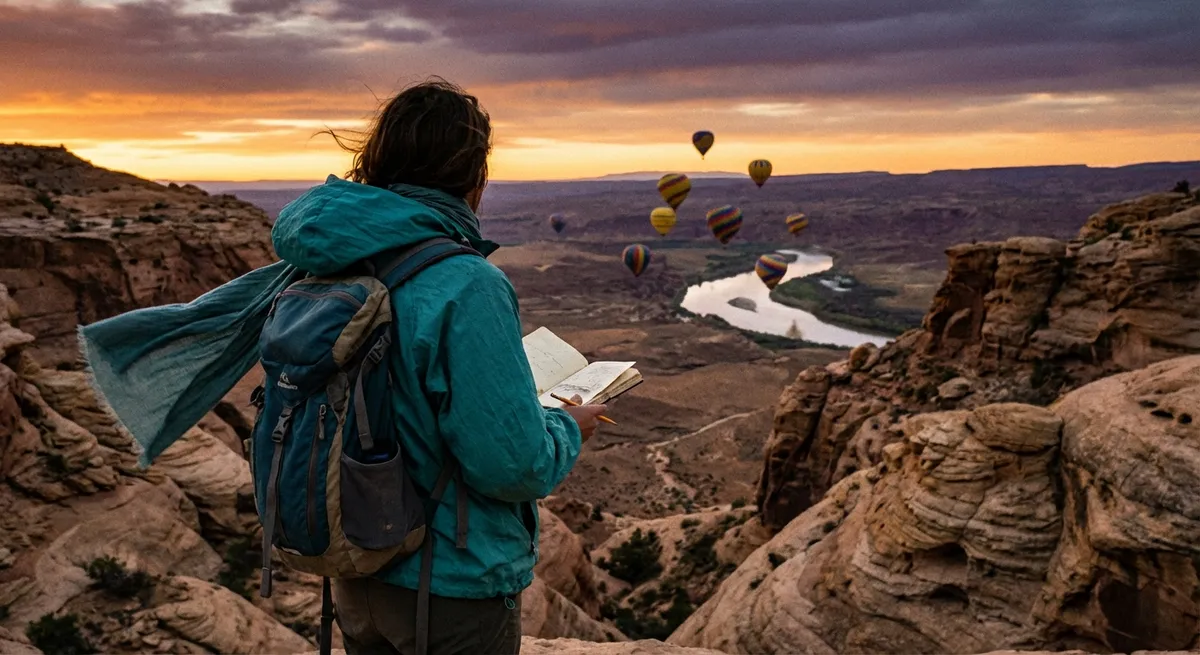
Below are five destination experiences that don’t just look good on a feed; they rearrange how you see yourself. Each comes with vivid moments to chase and practical tips to keep your adventure grounded, safe, and unforgettable.
1. Patagonia, Chile & Argentina: Where the Wind Teaches You to Dream Bigger
Patagonia doesn’t whisper; it roars. Stand beneath the jagged teeth of Torres del Paine at sunrise and it’s impossible not to feel small—in the most liberating way. Glaciers grind slowly through valleys, guanacos scatter across gold-tinged plains, and the sky seems too big to belong to just one country.
What makes Patagonia so thrilling isn’t just the scenery; it’s the commitment. Distances are long, the winds are legendary, and the weather can flip from calm to chaos in an hour. You learn to adapt quickly: to layer up, to respect the forecast, to start hiking before the sun’s fully awake. The W Trek and O Circuit in Torres del Paine, or Los Glaciares National Park in Argentina, pull you into a rhythm of early mornings, muddy boots, and the quiet satisfaction of earning every view.
On the practical side, Patagonia rewards planning. Book key refugios or campsites in advance during peak season (roughly November to March), and build buffer days into your itinerary for storms and delayed buses. Travel light but smart: waterproof layers, sturdy boots, and a backup battery for your camera are essentials, not luxuries. If you’re new to multi-day trekking, consider a guided trip for your first Patagonia adventure; experienced local guides not only keep you safe, they unlock stories and side-trails you’d never find on your own.
2. Kyoto, Japan: Where Stillness Feels as Powerful as Motion
In Kyoto, adventure doesn’t shout; it unfolds quietly, like a gate sliding open. Lantern-lit alleyways in Gion, moss-soft temple gardens, and early-morning shrines that belong briefly to you alone—this is a destination for travelers who crave a different kind of intensity. Here, the thrill comes from slowing down enough to feel how deeply place and tradition intertwine.
Walk through the vermilion tunnel of Fushimi Inari Taisha before dawn and you feel it: each torii gate like a portal to another version of you, one that moves more intentionally. Spend an afternoon in Arashiyama’s bamboo grove, then push a little further—to the less crowded temples tucked into the hills—and the crowds thin, the air cools, and Kyoto’s quiet power settles in. Even everyday rituals—a bowl of ramen at the counter, a carefully poured matcha tea, a stroll along the Philosopher’s Path—turn into small ceremonies of presence.
To make the most of Kyoto, travel with respect at the forefront. Learn a few basic Japanese phrases, observe local customs at shrines (like bowing and cleansing your hands), and be mindful in traditionally residential neighborhoods. Book accommodations near a train or subway line to cut down on transit time, and aim your big temple visits for early morning or late afternoon, when the light and crowds are both gentler. If your budget allows, one night in a ryokan (traditional inn) with tatami floors and a kaiseki meal can be a highlight that lingers for years.
3. Namibia, Africa: Where Silence Is as Vast as the Sky
Namibia feels like stepping onto another planet, one made of light, sand, and endless horizon. At Sossusvlei, crimson dunes tower over salt pans like frozen waves, and climbing them at sunrise turns your calves to fire and your thoughts to whispers. In Deadvlei, ghostly camelthorn trees stand stark against the white clay, and the silence is so complete it feels like a sound of its own.
Then there’s the wild side: Etosha National Park, where waterholes become stages for elephants, zebras, giraffes, and big cats to take their turns under the brutal desert sun. Self-drive safaris let you set the pace, scanning the shimmering horizon for movement and learning to spot the faintest twitch of a lion’s tail in the shade. The Skeleton Coast, where shipwrecks rust into the fog, reminds you how unforgiving and astonishing the world can be at the same time.
Namibia’s vastness demands responsibility. Distances are huge and mobile coverage limited, so rent a reliable 4x4, carry more water and fuel than you think you’ll need, and download offline maps before you go. Book national park campsites and lodges ahead of time, especially in dry season (winter in the Southern Hemisphere). Travel in the cooler months (May to October) for better wildlife viewing and more comfortable temperatures, and always follow park guidelines—your proximity to wildlife is a privilege, not a guarantee.
4. New Zealand’s South Island: Where Every Road Feels Like a Movie Scene
New Zealand’s South Island is the place road-trip dreams are made of: snow-dusted peaks dropping into fiord-cut coastlines, turquoise lakes that look unreal even in person, and winding roads that beg for frequent, spontaneous stops. One moment you’re kayaking under waterfalls in Milford Sound; the next, you’re soaking in a hot tub under the stars in Tekapo, the Milky Way spilling across the sky like spilled sugar.
The adventures here stack easily: hike a section of the Routeburn or Kepler Tracks, glide over Franz Josef Glacier in a helicopter (or tackle a guided glacier walk), cycle vineyard-to-vineyard in Marlborough, or try bungee jumping in Queenstown—the birthplace of the sport. The joy of the South Island is in how accessible big landscapes feel; even day hikes can deliver summit views that would take days to reach elsewhere, and well-marked trails make independent exploration surprisingly approachable.
For a smooth trip, build flexibility into your route. Weather can close mountain passes and cancel cruises or flights, so don’t over-pack your schedule. Renting a campervan or car opens up freedom, but book popular campsites and holiday parks in advance, especially in summer (December to February). The Department of Conservation (DOC) offers excellent resources and well-maintained trails; follow their safety guidance, respect alpine conditions, and pack for four seasons in one day—because on the South Island, that’s not just a saying.
5. Oaxaca, Mexico: Where Flavor and Culture Turn Travel Into Connection
Oaxaca is a destination for travelers who want their senses fully switched on. In the historic center, streets lined with pastel facades and heavy wooden doors open to courtyards humming with conversation and mezcal. Markets explode with color: mountains of mole, baskets of chapulines (toasted grasshoppers), cacao ground into fragrant paste, and fresh tortillas puffing on comals. Every corner feels like an invitation—to taste, to listen, to learn.
But Oaxaca’s magic stretches beyond the city. In the surrounding valleys, artisan communities practice centuries-old crafts: weaving, pottery, woodcarving, and natural dyeing. Visiting these villages with a local guide transforms “shopping” into a cultural exchange—you meet the families behind the work, see their looms or kilns in action, and understand how deeply identity and artistry are intertwined. Day trips to places like Hierve el Agua, with its petrified waterfalls and cliffside pools, add the thrill of rugged landscapes to the sensory feast.
To experience Oaxaca respectfully and fully, go beyond the main squares. Try local food stalls that are busy with residents, not just visitors, and ask permission before taking photos of people or inside workshops. Brush up on basic Spanish phrases; they go a long way in building genuine connection. Travel during a festival—like Día de Muertos or Guelaguetza—only if you’re prepared to engage thoughtfully, following local etiquette and supporting community-led tours that prioritize tradition over spectacle.
Conclusion
The most powerful destinations don’t just give you something to look at—they give you something to become. Patagonia teaches resilience; Kyoto, presence. Namibia offers humility in the face of scale, New Zealand invites you to say “yes” to the next bend in the road, and Oaxaca turns curiosity into connection.
You don’t need to visit all of them at once. Start with the one that stirs something in your chest when you read its name. Let that be your next leap. Because every bold journey begins the same way: with a single choice to go where your life feels a little wider, your senses a little sharper, and your story a lot more alive.
Sources
- Chile Travel – Official Tourism Site – Official information on visiting Patagonia and Torres del Paine, including seasons, routes, and safety tips.
- Japan National Tourism Organization (JNTO) – Detailed guidance on Kyoto’s key districts, temples, and cultural etiquette.
- Namibia Tourism Board – Practical details on routes, parks, and safety for self-drive and guided trips across Namibia.
- New Zealand Department of Conservation – Authoritative information on national parks, Great Walks, and outdoor safety across New Zealand.
- Visit Mexico – Oaxaca – Overview of Oaxaca’s cultural highlights, nearby attractions, and travel essentials.