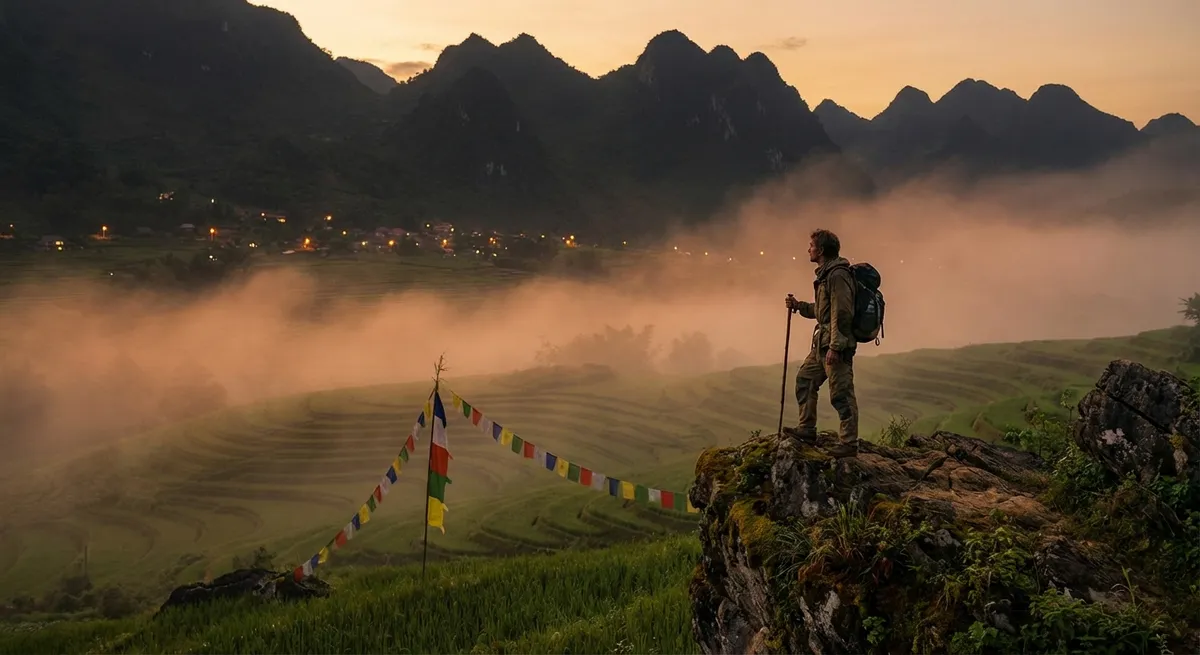
Below are five kinds of destinations that don’t just look good in photos—they wake something up inside you. Pack your curiosity. Leave room for awe.
1. Cities That Never Sleep, But Make You Dream
Certain cities pulse with a kind of energy that reaches straight into your chest. Neon reflections in puddles after midnight. Street food steam curling into cool air. Music spilling from open windows and subway stations. These cities don’t just keep you awake—they dare you to reinvent yourself.
Think of places like Tokyo, New York, or Mexico City, where every neighborhood feels like its own universe. One block holds a hole‑in‑the‑wall café with three tables and the best coffee you’ve ever had; the next opens into a market where you can smell grilled corn, fresh herbs, and pastries all at once. Put away the checklist and treat the city like a living story: ride the last train, walk the long way home, follow the sound of laughter down side streets.
Practical tip: Choose a central neighborhood and explore on foot for a full day with no fixed plans. Mark only a few “anchors” (a viewpoint, a local food spot, a park), then let everything in between surprise you. Use public transit during rush hour at least once—it’s the fastest way to feel the city’s true rhythm.
2. Wild Landscapes That Make You Feel Small in the Best Way
There are places where the sky seems bigger, the silence deeper, and your own worries suddenly very, very small. Stand at the edge of a canyon, stare up at jagged peaks at dawn, or watch waves slam into cliffs that have stood for millions of years—it’s impossible not to feel your perspective stretch.
National parks and wild reserves across the world offer this kind of humbling magic. Sunrise over the Grand Canyon, a storm rolling across the Scottish Highlands, the emerald lakes of New Zealand, the red dunes of Namibia—these landscapes strip life down to essentials: water, wind, rock, light. You become aware of every breath, every step, every sound.
Practical tip: Plan at least one experience that requires effort: a pre‑dawn hike, a long cycling route, a kayak trip. Challenge turns scenery into memory. Learn basic Leave No Trace principles, stay on marked trails, and respect local guidelines—guarding these wild places is part of the adventure.
3. Old Towns Where Every Stone Tells a Story
Some destinations feel like walking through a time capsule. Cobbled streets polished by centuries of footsteps. Weathered wooden doors with iron knockers. Church bells, call to prayer, or temple gongs rolling over terracotta roofs and narrow alleyways. In these places, the past isn’t trapped in museums—it lives in the architecture, the recipes, the rituals of daily life.
Think of medieval European centers, ancient trading ports in North Africa, riverside towns in Asia, or colonial plazas in Latin America. Sit in a shadowed square at dusk and watch the day exhale: kids chasing each other around fountains, elders claiming their favorite benches, vendors closing up stalls. Eat where locals linger, not where the signs scream “best view.” Ask about legends, not just dates and names.
Practical tip: Take a walking tour with a local guide on your first day—historical, food-focused, or themed. You’ll learn stories you’d never uncover on your own and get insider tips on less crowded corners to explore later at your own pace. Wear comfortable shoes; the best details hide up staircases and down side alleys.
4. Waterfront Worlds Where Land Meets a Different Kind of Life
Where land ends, a different adventure begins. Coasts, lakes, and riverfront cities have a magnetic pull—light dancing on water, boats sliding across the horizon, salt or mist in the air. These destinations offer two perspectives: shore and surface, above and below.
Picture a Mediterranean harbor at golden hour, fishing boats creaking as they rock in place. Imagine snorkeling over coral gardens, or paddling a kayak across a mirror‑still mountain lake at sunrise. Watch a storm roll toward you over the ocean, or a city skyline ignite in reflections on a broad river. Waterfront places are made for moments that feel cinematic, yet completely real.
Practical tip: Plan one experience ON the water and one BY the water. Take a boat ride, sailing lesson, or paddleboard session to feel the expanse, then claim a spot on a pier, beach, or promenade for sunset with no agenda except to watch the light change. Respect marine life—skip operators who allow touching wildlife or damaging reefs.
5. Remote Corners Where Disconnection Feels Like Freedom
There’s a special kind of destination where your phone loses signal—and you regain something more valuable. Remote villages, high‑altitude hamlets, off‑grid islands, desert camps: places where the night sky explodes with stars and your to‑do list finally goes silent.
In these corners of the world, days are measured in sun positions, mealtimes, and conversations, not notifications. You might share tea with a family you just met, warm your hands over a campfire while stories swap between languages, or wake up to roosters instead of alarms. Without constant digital noise, simple things—reading, journaling, just staring at the horizon—become luxuries again.
Practical tip: Tell friends and family you’ll be offline, download offline maps, and bring a physical notebook. Pack essentials (medication, layers, a small headlamp) and respect local customs—modest dress, asking before photographing people, and learning a few phrases in the local language go a long way.
Conclusion
The world is full of postcard‑perfect views, but the destinations that stay with you are the ones that shift something inside you. A sleepless city that shows you how wide life can be. A wild landscape that reminds you how small you are—and how free you can feel. An old town that whispers old stories into your new chapter. Waters that mirror the sky. Remote corners where you finally hear your own thoughts again.
You don’t have to cross an ocean to find these places. Start where your curiosity pulls the hardest. Choose the destination that scares you a little or excites you a lot. Then go—not to escape your life, but to expand it.
The map is waiting. So is the version of you that only reveals itself on the road.
Sources
- U.S. National Park Service – Plan Your Visit - Practical guidance on visiting and protecting national parks and wild destinations
- UNESCO World Heritage Centre - Official listings and descriptions of historic towns, cultural sites, and natural wonders around the globe
- Japan National Tourism Organization – Tokyo Travel Guide - Detailed overview of a major world city, including neighborhoods, culture, and transit tips
- National Oceanic and Atmospheric Administration (NOAA) – Ocean Facts - Insight into marine environments that informs responsible coastal and water‑based travel
- Leave No Trace Center for Outdoor Ethics - Core principles for minimizing impact while exploring natural destinations