1. Cities That Come Alive After Dark: Night Markets in Southeast Asia
When the sun drops in Southeast Asia, the day doesn’t end—it flips into another version of itself.
Bangkok’s night markets feel like stepping into a neon river. Steam rises from noodle pots, metal ladles slam against woks, and the air is thick with chili, lime, and charcoal. Taipei’s Shilin Night Market glows under lanterns as vendors call out over sizzling scallion pancakes and endless rows of bubble tea. In Ho Chi Minh City, motorbikes thread through alleyways as street stalls pop up like they’ve been rehearsing all day.
What makes these places unforgettable isn’t just the food (though you’ll remember your first perfect mango sticky rice forever). It’s the tempo. Night markets pull you into the local rhythm—families eating late, friends sharing skewers over plastic tables, kids darting between stalls. To really feel it:
- Arrive hungry and curious, not rushed. Pick one market and give it a full evening.
- Order what you can’t pronounce at least once. Point, smile, and let the vendor guide you.
- Watch where the longest lines form; that’s usually where the magic is.
- Walk the market once without buying anything—just to absorb the sounds, smells, and colors—then circle back with intention.
You won’t just taste a city here; you’ll hear it, smell it, and feel it in every step.
2. Coasts Where the Ocean Feels Endless: Wild Shores, Small Villages
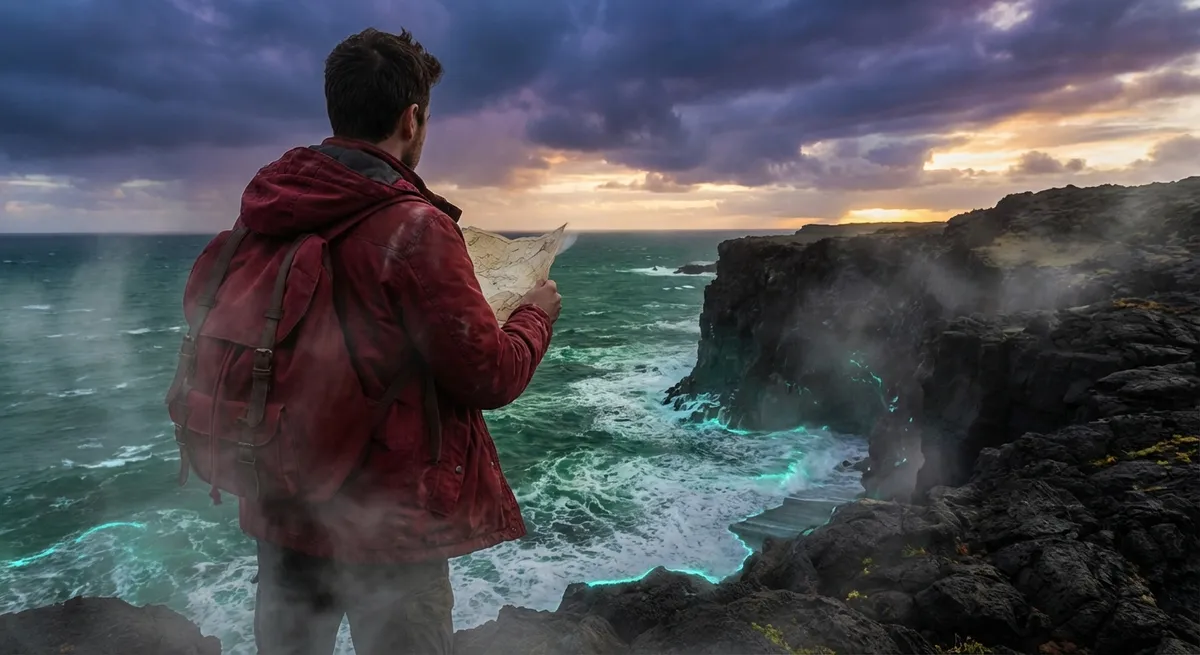
Some coastlines don’t just meet the sea—they surrender to it. These are the places where cliffs crumble into waves, where wind tangles your hair, and where there are more shades of blue than you thought possible.
On Portugal’s Alentejo coast, whitewashed villages hang above the Atlantic, and fisherman’s trails snake along the edge of the world. In Ireland’s west, the Wild Atlantic Way is a lived experience of crashing surf, mossy stone walls, and pubs where fiddles start at sunset. Along South Africa’s Garden Route, forest, ocean, and mountain merge into a single sweeping horizon.
To lean into the wildness instead of just driving past it:
- Travel the coastline slowly—by bus, train, or even bike—stopping in small towns instead of big resorts.
- Choose one base near the water and explore on foot: tide pools at low tide, clifftop walks at golden hour, starwatching on clear nights.
- Mix a big-view moment (like a dramatic viewpoint or coastal road) with something quiet and local (like a tiny seafood shack or a harbor at dawn).
- Pack layers and embrace the elements: mist, wind, and unexpected storms often create the most dramatic memories and photos.
These coasts remind you how enormous the world is—and how good it feels to be small in front of it.
3. Mountains That Reset Your Pace: High-Altitude Towns and Trails
Mountains don’t just rise above the landscape; they slow everything down. Your steps, your breathing, your thoughts—they all have to recalibrate. That’s where the magic starts.
In the Alps, car-free villages like Zermatt or Wengen turn every walk into a postcard, with cowbells echoing through green valleys and glaciers hovering above. In Peru, the Sacred Valley wraps you in terraced slopes, Incan stonework, and thin, bright air that makes every sunrise feel sharper. In Nepal, teahouse treks through the Annapurna region turn the idea of “remote” into warm cups of chai and firelit evenings after long, dusty days.
To make the most of mountain destinations without burning out:
- Respect the altitude. Give yourself a full day (or more) to acclimate, hydrate constantly, and listen to your body.
- Pick one iconic hike and one smaller, lesser-known trail—both will offer different kinds of reward.
- Start early; morning light in the mountains feels unfiltered and alive, and trails are quieter.
- Stay somewhere with a view, even if it means simpler amenities. Waking up to peaks outside your window is its own adventure.
Mountains teach you patience and presence. You’re not just “doing a hike”; you’re moving through a living, breathing landscape that demands your full attention.
4. Cities Built for Wandering: Neighborhoods That Reward Getting Lost
Some cities reward efficiency—the fastest subway line, the quickest route, the perfect “must-see” list. Others come alive when you let the plan fall apart.
Lisbon’s alleys coil up and down hills, where trams rattle, laundry sways over tiled facades, and miradouros (viewpoints) open up unexpectedly at the end of steep climbs. In Mexico City’s neighborhoods like Roma and Condesa, leafy avenues hide tiny cafes, record shops, and mezcal bars behind unassuming doors. In Tokyo, districts like Shimokitazawa and Koenji transform into treasure hunts of vintage stores, basement jazz bars, and vending machines glowing on quiet corners.
To turn wandering into its own kind of destination:
- Choose a single neighborhood instead of an entire city for a day, and commit to exploring it deeply.
- Put one or two loose “anchors” on the map—a bakery, a bookstore, a park—and let your route between them be improvisational.
- Follow your senses: a smell of baking bread, a faint guitar riff, a fragment of street art. Let curiosity override your itinerary.
- Sit still at least once—on a bench, at a café window, or in a small square—to watch everyday life pass by.
When you treat a city as a living story instead of a checklist, you leave with something better than “I saw it all”: you leave with a feeling for how it breathes.
5. Wild Silence and Dark Skies: Places That Reconnect You With Night
We’re used to nights full of noise—phones, traffic, neon. But there are still places where darkness returns to what it once was: a sky full of stars, a horizon rimmed with moonlight, and a silence that feels almost physical.
In the deserts of Jordan’s Wadi Rum, the Milky Way hangs low over red sand and stone. In rural New Zealand, lakes become mirrors for constellations, and glowworms light up cave ceilings like secret galaxies. In designated Dark Sky Reserves across the world—from Canada’s Jasper National Park to Wales’ Brecon Beacons—the night is protected like a natural wonder.
To experience night as a destination, not just the hours between days:
- Plan around the moon phase; new moons are best for stargazing, while full moons turn landscapes silver.
- Look up Dark Sky Parks or stargazing tours at your destination—local guides often layer in mythology and science that make the sky feel new.
- Pack a simple tripod or learn to brace your camera or phone for long exposures; night photography is part of the fun.
- Turn the volume down on everything else: headlamp only when needed, phones away, voices low. Let the quiet be the adventure.
Spending a night under real darkness can feel like pressing a reset button. The world shrinks to you, the sky, and the sound of your own breath—and somehow, that feels limitless.
Conclusion
Destinations that truly move you aren’t just about iconic landmarks or perfect itineraries. They’re about immersion: in a night market’s chaos, in ocean mist on a cliff edge, in the thin air of a mountain pass, in the backstreets of a neighborhood, in the hush of a star-soaked sky. When you choose places that wake up your senses, you don’t just collect stamps in a passport—you collect new versions of yourself.
Let your next trip be less about “where should I go?” and more about “how do I want to feel?” Follow that question across borders, and the world starts to open in ways no guidebook can fully capture.
Sources
- UNWTO Tourism Data Dashboard - Global tourism statistics and trends that highlight popular regions like Southeast Asia, Europe, and Latin America
- International Dark-Sky Association - Directory and information on Dark Sky Parks and Reserves around the world
- Lonely Planet: Southeast Asia Travel Guide - Regional overview including major night market cities and cultural travel insights
- National Geographic: World’s Most Beautiful Coastlines - Inspiration and context for dramatic coastal regions such as Ireland, Portugal, and South Africa
- UNESCO World Heritage List - Background on culturally and naturally significant sites like the Sacred Valley, Wadi Rum, and other iconic landscapes mentioned