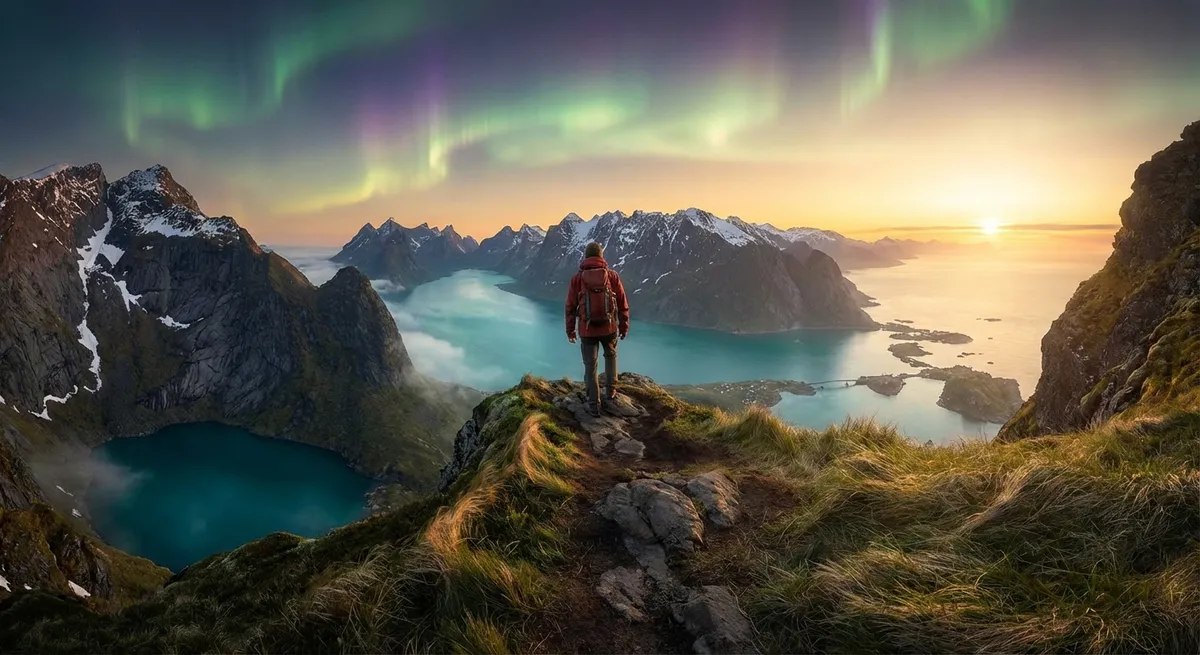
Below are five kinds of destinations that still feel like secrets, each with a distinct flavor of adventure and practical ways to actually get there. Think of this as your invitation to step off the well-worn path and into corners of the world that still feel wildly, thrillingly new.
1. High-Altitude Sanctuaries: Villages Above the Clouds
There’s a moment in the mountains when the world below dissolves into mist and you’re suddenly level with the clouds. High-altitude villages—whether tucked into the Peruvian Andes, the Georgian Caucasus, or Nepal’s lesser-known valleys—offer that rare blend of thin air and thick tradition. Here, paths are still carved by footsteps, not tour buses, and the day’s rhythm follows the sun rather than a timetable.
In these sanctuaries, every breath feels earned. Your legs burn on stone steps, but each turn reveals terraces of emerald fields, glacial rivers, and distant peaks stained gold at dusk. Ancient rituals aren’t performances; they’re just how evenings are spent. A shared pot of tea with a local family can tell you more about resilience than any documentary.
For practical planning, look for community-run homestays and guided treks that directly support mountain residents. Acclimatize slowly—spend a night or two at mid-altitude, drink more water than you think you need, and keep your first day gentle. If you’re traveling in shoulder seasons (spring or fall), trails are quieter, weather is more stable, and you’ll witness seasonal rituals tourists often miss.
These rooftop villages don’t just lift you physically; they recalibrate what you consider “essential.” Up here, your world contracts to what you can carry—and expands to everything you can see.
2. Island Edges Where Time Runs Slower
Not every island is wrapped in resorts and selfie sticks. Some still hum at a different frequency, where the loudest sound is the tide reshaping the shore and fishermen patching nets by hand. These are the wind-polished atolls of the South Pacific, the remote isles off Scandinavia’s coasts, or the volcanic specks in the Atlantic that barely appear on flight maps.
On these islands, the days stretch and simplify. Mornings start with barefoot walks on empty beaches, tracing the delicate highways of tiny crabs. Afternoons might mean renting a rusty bike to follow coastal paths, stopping where the scent of grilled fish or wild herbs spills onto the road. Nights are for darkness and stars—no skyline glow, no all-night thump from club speakers. Just waves, constellations, and stories.
If you want this version of island life, skip direct resort hubs. Research ferry routes, small regional airlines, or archipelagos with only a handful of guesthouses. Pack a lightweight jacket even for “tropical” zones—the sea can cool quickly—and bring a physical book for when the internet drops out. Respect fresh water like the precious resource it is: short showers, reusable bottles, and reef-safe sunscreen to protect the ecosystems that make these islands special.
These island edges remind you that slowness is not laziness; it’s a different measure of wealth—counted in unhurried sunsets and remembered names, not check-ins and likes.
3. Desert Horizons That Redefine Silence
True silence is rare. Cities buzz, forests rustle, even oceans roar. But deserts possess a different kind of quiet—a low, steady hum of existence stretched across endless sand, stone, and sky. From the dunes of the Sahara and the Arabian Peninsula to the high plateaus of the Atacama and the American Southwest, these landscapes test you but also strip life down to something clear and elemental.
Days here are carved from light and shadow. Sunrises spill cool lavender across dunes, and by noon the heat turns the horizon into a mirage of silver. At sunset, the world catches fire in orange and crimson, then folds into a dome of stars so bright you suddenly understand why ancient travelers navigated by them. Around a campfire, with your phone tucked away, conversations deepen in a way that feels almost ceremonial.
Desert travel demands respect. Always go with a reputable local guide—someone who understands winds, routes, and emergency plans. Pack more water than you think you’ll ever drink, sun protection that actually covers you (wide-brimmed hat, long sleeves, light fabrics), and layers for the surprising night chill. Choose eco-conscious camps that minimize waste and avoid off-road driving that scars fragile desert crusts.
In the desert, you meet both the enormity of the planet and the smallness of your own worries. It’s an encounter that lingers long after the sand has been shaken from your shoes.
4. River Cities Where Cultures Intertwine
Follow the water, and you’ll often find the world’s oldest crossroads. River cities—built along lifelines like the Danube, Mekong, Nile, or Ganges—are where trade routes collided, ideas mixed, and cultures learned to coexist in crowded, colorful harmony. These destinations aren’t polished postcards; they’re layered, living palimpsests where every bridge, market, and temple bears the marks of centuries.
Walk their riverfronts at dawn and watch the city awaken. Dockworkers hoist cargo from creaking boats; street vendors set up steaming carts; elders perform quiet rituals by the water’s edge. As the day unfolds, you might cross between neighborhoods that feel like different countries in the span of a few blocks—each with its own language, spices, and rhythms.
To tap into a river city’s pulse, move on foot or by local transport whenever it’s safe and feasible. Seek out markets, not malls; family-run guesthouses and cafés instead of global chains. Consider a short riverboat ride or ferry used by locals, not just tourists—the vantage point from the water rewrites your map of the city. Learn a handful of phrases in the local language; in places built on exchange, a simple greeting can open doors.
These cities won’t always be comfortable. They can be chaotic, noisy, and intense. But they’ll also teach you how layered the world is—and how many ways there are to be at home along the same flow of water.
5. Forest Realms That Feel Like Stepping Into Myth
There are forests so dense and alive they feel less like landscapes and more like characters—a living presence you’re just visiting. Think of temperate rainforests draped in moss, boreal woods that ring the Arctic, and tropical jungles where every patch of shade bursts with hidden motion. These destinations ask you to step softly and look closely.
In these realms, the air is thick with stories: the drip of recent rain from a fern, the distant crack of a branch, the flash of movement you can’t quite identify. Trails may lead past ancient trees older than your country, or through canyons where light only filters down in brief, golden shafts. If you’re lucky, you’ll spot wildlife from a respectful distance—monkeys negotiating treetops, deer ghosting between trunks, or birds wearing colors you didn’t know existed in nature.
Responsible forest travel starts with preparation and humility. Stick to marked trails to protect both you and the ecosystem. Hire local naturalist guides when possible—they’ll reveal medicinal plants, traditional uses of the land, and hidden species you’d otherwise miss. Pack lightweight rain gear, insect protection, and proper footwear; forest floors can shift quickly from solid to slick. Choose lodges or camps that follow sustainable forestry and waste practices.
These forests don’t just offer “fresh air;” they recalibrate your sense of time. Surrounded by organisms that count their lives in centuries and millennia, your to-do lists shrink, and your attention expands.
Conclusion
The world isn’t running out of wonder; it’s just hiding it a little better. High-altitude villages, far-flung islands, vast deserts, layered river cities, and ancient forests all ask you to travel differently—to trade convenience for connection, rush for rhythm, certainty for curiosity.
You don’t have to quit your job, sell everything you own, or chase every continent to feel this shift. You only have to choose destinations that challenge the way you usually move through the world—and then show up with your eyes, ears, and heart fully open.
When you’re ready to trace your finger past the bold lines on the map and into the pale, unnamed spaces, the world will be waiting. Not polished. Not perfect. But vivid, surprising, and real—exactly the kind of journey that stays with you long after you’ve flown home.
Sources
- UN World Tourism Organization (UNWTO) - Overview of sustainable tourism principles and how travelers can minimize impact
- International Centre for Integrated Mountain Development (ICIMOD) - Research and resources on mountain communities, climate, and responsible travel in high-altitude regions
- UNESCO World Heritage Centre - Information on culturally and naturally significant destinations, including historic river cities, forests, and desert landscapes
- U.S. National Park Service – Desert Hiking Tips - Practical safety guidance for traveling in desert environments
- Rainforest Alliance – Responsible Travel - Best practices for eco-conscious travel in forests and other sensitive ecosystems