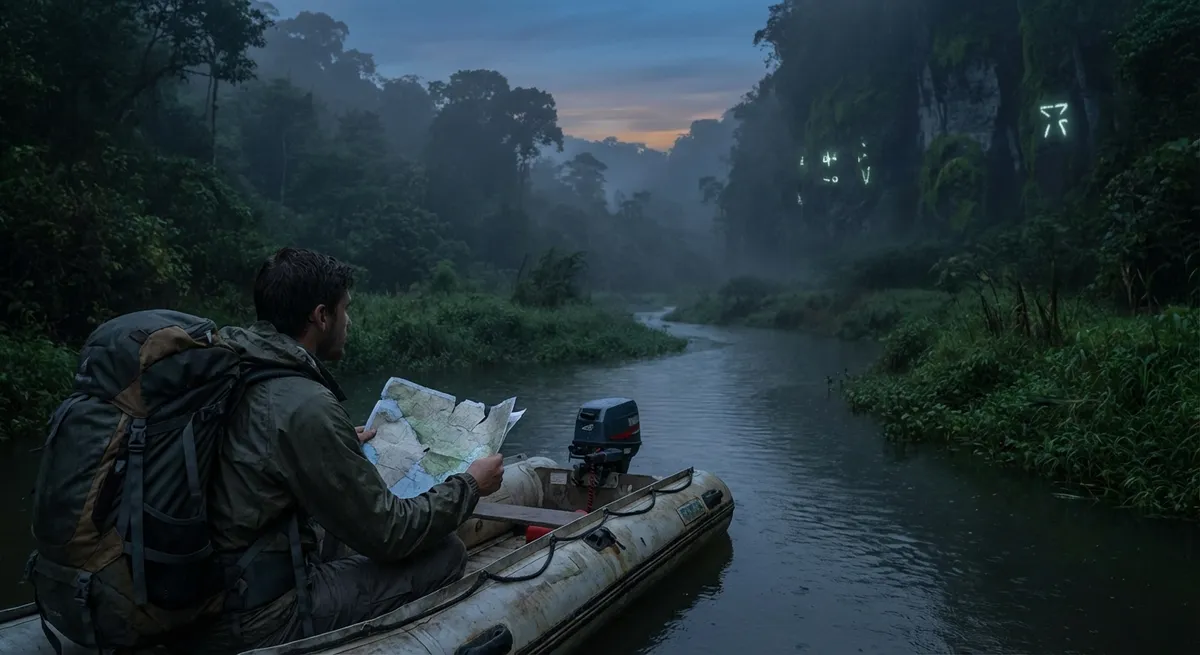
If you’re ready to move beyond the usual hotspots and step into landscapes that feel like secret levels of the planet, this guide is for you. Each destination idea below blends raw beauty with real-world advice so you can chase that sense of discovery without losing your footing.
Coastal Villages Where The Tides Decide Your Day
Along remote shorelines in places like northern Spain, Canada’s Atlantic provinces, or lesser-known Greek islands, life still moves to the rhythm of the tide. Here, fishing boats rest on dry sand at sunrise, only to float again by afternoon, and harbor cafés open when the first nets come in, not when a schedule says they should. Wandering these villages is like walking through a moving painting—weathered doors painted in blues and greens, laundry snapping in the sea breeze, and a horizon that changes color by the minute. Plan to stay at least a few nights so you can watch how the same street transforms with each tide. Talk to locals about tide times and hidden coves; fishermen often know the best sunrise viewpoints and the quietest swimming spots. Pack layers for wind, a lightweight rain jacket, and shoes that can handle slippery rocks. This slow, sea-shaped rhythm will force you to loosen your grip on your calendar and remember what it feels like to wake up and let the water decide your plans.
Mountain Villages That Reveal The Stars Again
Far from city lights, high-altitude villages in regions like the Apennines, the Carpathians, or lesser-known Andean valleys can completely recalibrate your sense of night. When the sun drops, the sky doesn’t just darken—it ignites. The Milky Way becomes a glowing river, constellations sharpen into patterns, and you suddenly understand why ancient travelers navigated by the stars. Choose small guesthouses or family-run inns where electricity is minimal and local guides offer night walks or stargazing sessions. Carry a headlamp with a red light setting to preserve your night vision, and download an offline stargazing app before you go. During the day, follow shepherds’ trails to ridge-top viewpoints and listen for cowbells echoing through the valleys. The mix of thin mountain air, simple meals, and quiet nights creates a kind of stillness that’s rare in modern life. You return with stories, yes, but also with a new relationship to darkness—less like something to fear, more like a vast, glittering roof you’ve been missing for years.
Border Towns Where Two Worlds Collide In One Street
Some of the most fascinating destinations aren’t remote at all—they’re strung along invisible lines where one country ends and another begins. Think of market streets that cross from one side of a border to the other in Central Europe, bridges shared by both sides of a river in Southeast Asia, or twin towns in Africa where one side speaks a different language but shares the same sunrise. In these places, you can stand with each foot in a different culture and feel the tug-of-war and harmony at once. Wander slowly: notice how the food changes from one corner to the next, how the music shifts, how shop signs mix languages and currencies. Always check visa rules and border regulations beforehand, and carry both digital and physical copies of your documents. Ask locals about shared festivals or markets—border regions often host events that blend traditions from both sides. These towns teach you something vital: lines on a map may be sharp, but the people who live near them are experts at crossing, blending, and coexisting.
River Routes That Turn Your Journey Into The Destination
Following a river, whether by slow boat, bicycle path, or a string of local buses, offers a completely different way to experience a region. Instead of hopping between big-name cities, you let the water guide you through small towns, forgotten industrial ports, and green corridors that most travelers fly over. Consider lesser-known river valleys in Eastern Europe, inland stretches in Asia, or secondary waterways in South America where tourism is still light. Plan fewer stops but longer stays, giving yourself time to walk riverfront trails at dawn and watch how life gathers by the banks—kids practicing jumps, elders playing cards, vendors rolling carts out just as the light softens. Use offline maps to follow the river’s path and look for small ferries used mainly by locals; they’re often the cheapest and most atmospheric way to cross. Pack a small dry bag to protect your phone and documents, especially if you end up on open boats. By the end of the route, you’ll realize it wasn’t about reaching the river’s mouth or source; the real treasure was how the same ribbon of water stitched together wildly different lives and landscapes.
Sleeping In The Quiet Edge Of A Big City
Even the world’s busiest cities have edges where the skyscrapers give way to low rooftops, gardens, and night skies you can actually see. Instead of booking right in the center, look for neighborhoods on the fringe—places close enough to reach the main sights by metro or tram, but far enough that mornings begin with birds instead of sirens. Search for areas with local markets, corner bakeries, and family-run cafés that don’t have English menus yet. These districts often hold community parks, rooftop viewpoints, and half-forgotten historical sites that never make it to top-ten lists. Walk a few blocks away from the last metro stop and linger at whatever catches your eye: a mural, a crowded food stall, a quiet courtyard. Learn a few basic phrases in the local language; even a simple greeting can open doors to recommendations you’ll never find online. By basing yourself in the city’s quieter edge, you get the best of both worlds—adventurous forays into the buzz, and a peaceful place to return to, where you can process the day’s chaos under a softer sky.
Conclusion
Destinations that truly change you aren’t always the ones printed in bold on tourist maps. They’re the coastal alleys where fishing nets dry in the wind, the ridgeline villages where the stars feel close enough to touch, the shared streets where two countries shake hands, the rivers that quietly guide your route, and the city edges where real life hums after the last souvenir shop closes.
Choose places that make you a little uncertain and deeply curious. Travel slow, listen more than you speak, and give each destination enough time to reveal its quieter layers. When you do, the world stops feeling like a checklist and starts feeling like a living, breathing story—and you’re no longer just passing through it. You’re part of it.