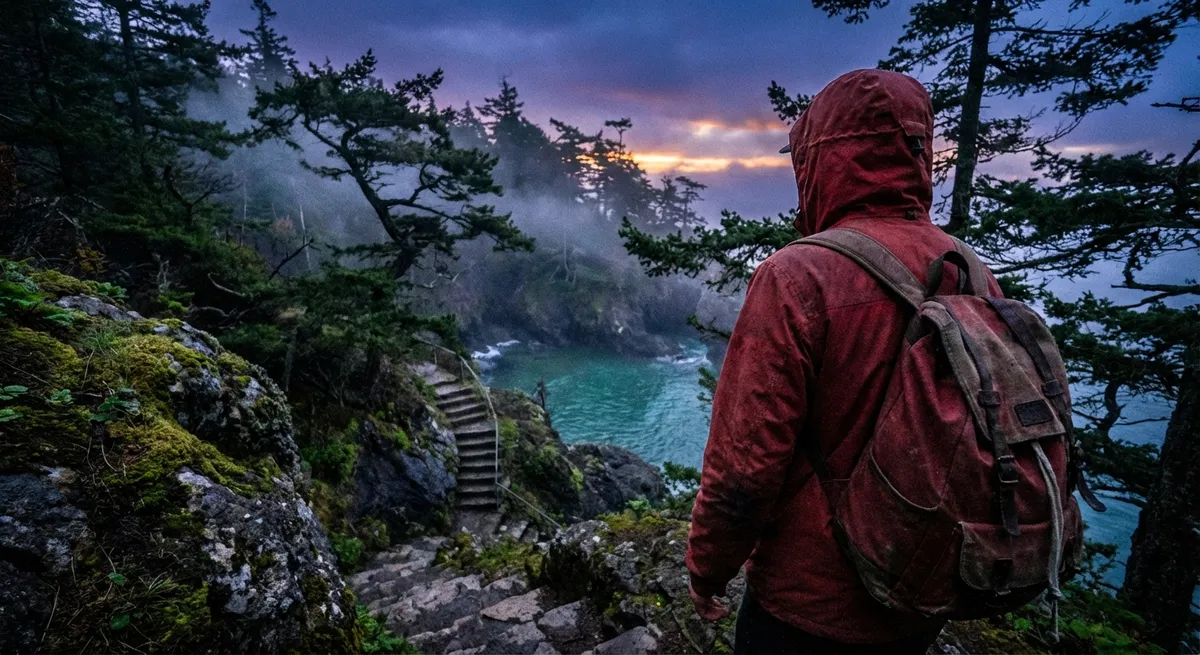
This is your invitation to chase that feeling again. Not with a checklist, but with curiosity, courage, and a one-way ticket to the edge of the familiar.
1. Borderlands: Where Cultures Collide and Create Something New
Some of the world’s most fascinating destinations sit along invisible lines—borders where histories overlap, languages mingle, and the food, music, and architecture feel like a conversation rather than a single voice.
Think of cities like Istanbul, straddling Europe and Asia, where Byzantine churches sit near Ottoman mosques, and the call to prayer weaves into the hum of ferries crossing the Bosphorus. Or Tijuana and San Diego, sharing a coastline and a constant cultural exchange, where street food, art, and music cross the border daily even when people can’t.
Traveling to border regions isn’t just about geography—it’s about experiencing how people adapt, blend, and reinvent traditions. Eat where the locals line up, ask how dishes came to be (you’ll often hear stories of migration and resilience), and notice the small details: dual-language street signs, hybrid festivals, and markets selling goods from “both sides.”
Practical move: Before you go, read even a brief history of the region and its neighboring countries. You’ll start spotting patterns and stories in everything you see—murals, monuments, even menu items. It turns a simple walk into a moving, living history lesson.
2. Night-Sky Sanctuaries: Places Where Stars Return to Full Power
If your nights are usually lit by streetlamps and screen glow, stepping into true darkness can feel like visiting another planet. Dark-sky reserves and remote stargazing destinations strip away light pollution and hand the sky back to the stars.
Stand in the deserts of Atacama in Chile or under the Arctic skies of northern Norway, and you’ll see why ancient travelers navigated by constellations alone. The Milky Way looks like a river; shooting stars become frequent enough that you stop trying to count them. In some northern locations, the aurora borealis ripples in greens and purples like a living curtain of light.
These places aren’t just visually stunning—they recalibrate your sense of scale. The stars remind you that your worries are small, your time is precious, and the world is far wider than your daily commute.
Practical move: Look up official dark-sky parks or reserves and plan a night away from major cities. Pack warm layers, a red-light flashlight (to protect your night vision), and download a stargazing app before you go. Turn your phone to airplane mode, lie back, and let the night reintroduce itself.
3. Elemental Landscapes: Destinations Built from Fire, Ice, Wind, and Water
Some places feel less like “destinations” and more like raw encounters with the planet itself. These are the landscapes carved by volcanoes, glaciers, relentless winds, and roaring seas—where nature doesn’t whisper; it roars, hisses, and thunders.
Walk along a black-sand beach in Iceland, where basalt cliffs rise like organ pipes and waves slam the shore with brutal rhythm. Hike across ancient lava fields in Hawaii or the Canary Islands, where the ground beneath your feet once glowed red-hot. Stand at the lip of a canyon or beside a calving glacier and watch time made visible in rock layers and walls of blue ice.
In elemental destinations, “comfort” looks different. The wind might sting your face; rain may surprise you; paths are often steep, muddy, or uneven. But that friction is part of the magic—it reminds you that you’re in a living world, not a curated backdrop.
Practical move: Prioritize local guides and park rangers. Their knowledge can keep you safe while revealing hidden stories about the land—how a crater formed, why certain plants grow there, what the landscape looked like millennia ago. Pack layers, sturdy shoes, and respect: these places are powerful, and that power deserves caution.
4. Story-Rich Cities: Walking Through Layered Time
Some cities feel like they were built for photos. Others feel like they were built for stories. These are the places where every corner has a past life, every side street hides a legend, and the present sits right on top of ancient foundations.
In cities like Kyoto, Rome, or Cusco, you can literally walk across centuries in a day—temples next to train lines, ruins beneath cafes, medieval alleys opening onto modern plazas. As you explore, you realize each era has left fingerprints: a carved stone reused in a newer building, a festival with roots older than most countries, a neighborhood shaped by people who arrived generations ago and never left.
The thrill here isn’t just in seeing famous landmarks; it’s in spotting the seams where eras meet. A Roman column repurposed in a Renaissance church. A traditional house preserved between glass towers. A street market selling ancient recipes via contactless payment.
Practical move: Swap one big-bus tour for a themed walking tour or self-guided route—street art, food, architecture, or even “lost neighborhoods.” Leave space in your schedule to wander without a plan. When a street or courtyard catches your eye for no obvious reason, follow that instinct. That’s often where your best travel stories begin.
5. Edge-of-Comfort Destinations: Places That Redefine What You Can Handle
Some destinations won’t feel “easy”—and that’s exactly why they stay with you. High-altitude towns where the air is thin, humid jungles teeming with life, remote islands reached only by ferry or propeller plane, or countries where you don’t speak a single word of the language. These are not polite vacations; they are accelerators for growth.
In these places, you might get lost. You might mispronounce everything. You’ll probably fumble with currency, etiquette, and bus systems. But each minor challenge you solve becomes a quiet victory: ordering food successfully, navigating the subway, bargaining in a market, or simply finding your way back to your guesthouse in the dark.
Traveling to edge-of-comfort destinations isn’t about chasing hardship—it’s about discovering that you’re more capable than you thought. You learn how to improvise, how to ask for help, and how to stay calm when plans fall apart.
Practical move: Start by choosing one element to stretch: maybe it’s climate (tropical instead of temperate), language (somewhere your native tongue isn’t common), or infrastructure (rural instead of capital city). Research basic safety tips, learn a handful of local phrases, and book your first night’s stay so you have a soft landing. After that, leave some space for unplanned exploration—your adaptability will surprise you.
Conclusion
The destinations that shape you most aren’t always the ones on the front of postcards. They’re the borderlands where cultures meet, the dark places where stars regain their brightness, the raw landscapes that remind you the Earth is alive, the cities where centuries overlap, and the edges of your comfort zone where your courage finally catches up to your curiosity.
You don’t have to wait for the “perfect time” or the “perfect trip.” Pick a place that stirs something in you—an unexplained pull, a recurring daydream, a name you keep hearing. Follow that thread. Pack your questions, your respect, and your willingness to be changed.
The world is full of destinations that feel like discovery. The next one has your name on it.
Sources
- International Dark-Sky Association – Dark Sky Places - Official registry of dark-sky parks, reserves, and communities around the world
- UNESCO World Heritage Centre - Authoritative list and descriptions of culturally and naturally significant sites, including historic cities and unique landscapes
- National Park Service (U.S.) - Detailed information on protected natural areas, safety guidance, and visitor tips for elemental landscapes
- Istanbul Metropolitan Municipality – Official Tourism Site - Insight into Istanbul’s role as a bridge between continents and cultures
- Japan National Tourism Organization – Kyoto Travel Guide - Background on Kyoto’s layered history, temples, and preserved districts