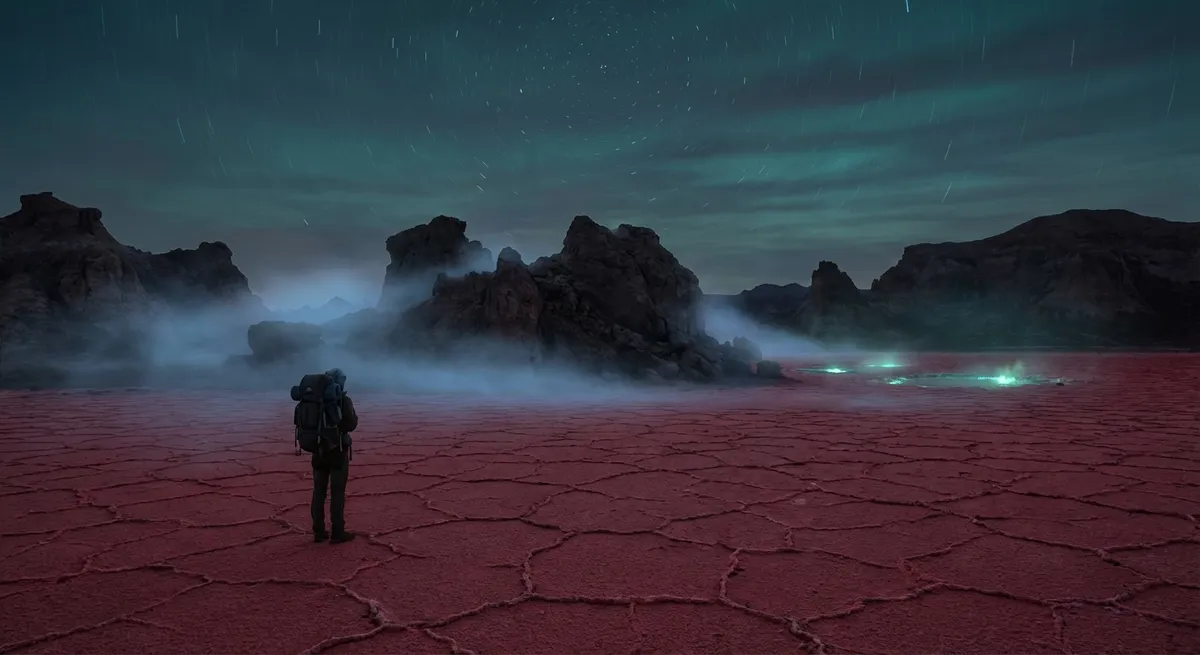
This is your invitation to chase that feeling: the quiet gasp when a horizon opens, the nervous excitement when the trail disappears, the moment you realize you’ll remember this sky for the rest of your life.
Below are five otherworldly destinations that feel almost unreal—paired with practical advice so your dream trip doesn’t stay a screensaver.
1. Glow at the Edge of the World: Iceland’s Volcanic North
Northern Iceland looks like the planet that sci‑fi movies keep trying to invent. Steam rises from the ground, mud boils in technicolor pools, and lava fields stretch out like a frozen ocean. Around Lake Mývatn and the Krafla volcanic system, you’ll walk past sulfur vents that hiss like distant engines and craters the size of stadiums. In winter, the dark sky explodes into auroras; in summer, midnight sunlight paints the lava in soft gold.
What makes this region magnetic isn’t just the drama—it’s the accessibility. Well‑marked trails, geothermal baths, and reachable viewpoints mean you can wander through alien terrain without needing expedition‑level skills. Base yourself in Akureyri or near Mývatn, then follow local weather and volcano reports before heading out; conditions shift quickly, and some areas close during periods of high volcanic activity. Pack layers that handle rain, cold, and wind in a single day, and download offline maps in case the signal vanishes with the sun.
2. Sand Waves and Skeletons: Namibia’s Atlantic Desert Coast
On Namibia’s Skeleton Coast, the desert doesn’t stop at the horizon—it walks straight into the ocean. Here, sand dunes hundreds of meters high collapse into roaring surf, and rusted shipwrecks lie half‑buried like the bones of enormous animals. Mist rolls in from the Atlantic, wrapping the dunes in ghostly veils at dawn. Inland, in Sossusvlei and Deadvlei, burnt‑orange dunes surround a chalk‑white clay pan punctuated by dead, blackened camel‑thorn trees, creating scenes that look computer‑generated.
This is a place where silence is almost physical. To experience it well, travel with a local guide—distances are huge, roads are rough, and desert driving requires skill. Choose a 4x4, carry more water than you think you’ll need, and fuel up whenever you can. The best light hits the dunes at sunrise and sunset, when shadows carve sharp lines into the sand. A good tip: climb one of the big dunes slowly and barefoot, then sit at the crest and let time stretch out with the view.
3. Walking on Color: Bolivia’s High-Altitude Dreamscape
At over 3,600 meters above sea level, Bolivia’s Altiplano already feels like another layer of Earth—but places like Salar de Uyuni and the surrounding high‑altitude lagoons feel like a glitch in reality. The Uyuni salt flats are a blinding, white expanse that becomes a perfect mirror after rain; clouds float beneath your feet, and watching a sunset here feels like standing inside a painting. Further south, red and green lakes flecked with flamingos sit beneath snow‑dusted volcanoes, and geothermal fields bubble and steam in the cold morning air.
The magic comes with thin air and remote terrain, so preparation matters. Arrive a few days early in La Paz or another high‑altitude town to acclimatize before heading out; altitude sickness is common and very real. Multi‑day 4x4 tours from Uyuni, Tupiza, or San Pedro de Atacama (Chile) are the safest way to explore, with drivers who know the weather patterns and unmarked tracks. Dress in layers, bring sunglasses and high‑SPF sunscreen (the sun is intense at altitude), and pack a small power bank—your camera will be working overtime.
4. Stone Forests and Underground Rivers: Vietnam’s Hidden Limestone Worlds
Northern Vietnam’s limestone landscapes feel like something that evolved in secret. In Ninh Binh and the Trang An Scenic Landscape Complex, sheer karst towers rise from rice paddies and winding rivers like stone cathedrals. Tiny boats rowed by locals slip into caves lit by shafts of daylight, passing under rock ceilings that nearly kiss the water. Further inland in Phong Nha–Ke Bang National Park, some of the world’s largest caves swallow you into an underground universe, with stalagmites as tall as buildings and river systems that vanish into the dark.
What makes this destination special is the blend of wild and welcoming. Well‑regulated boat tours and guided cave routes mean you can access astonishing scenery without needing specialized climbing or caving skills. Stay at homestays or eco‑lodges on the edges of the parks to wake up with views of misty cliffs. Respect local conservation rules—stick to marked trails, avoid touching cave formations, and consider joining smaller, community‑run tours that spread income beyond the main hubs.
5. Ice Kingdoms at the Edge of the Map: Svalbard’s Arctic Frontier
High in the Arctic Ocean, the Norwegian archipelago of Svalbard feels like the last page of the atlas. The landscape is all sharp angles and stark colors: black rock, white glaciers, steel‑blue sea. In summer, the sun never sets; in winter, it never rises, trading daylight for a deep, electric twilight. You might sail past icebergs with glassy blue cores, watch walruses hauled out on ice, or spot a polar bear in the distance—a reminder that out here, you’re a visitor in someone else’s kingdom.
Travel in Svalbard is choreographed by safety and season. Longyearbyen, the main settlement, is a surprisingly cozy Arctic base with museums, cafes, and gear shops, but leaving town almost always requires a guide—partly due to polar bear regulations, partly due to extreme conditions. Choose operators committed to low‑impact tourism and wildlife distance rules. Dress with a strict layering system: moisture‑wicking base, insulating mid‑layer, and serious outer shell. Winter offers the chance for Northern Lights and snowmobile expeditions; summer opens up hiking, kayaking, and boat trips through ice‑choked fjords that look like the edge of the world.
Conclusion
Destinations like these don’t just fill your camera roll—they rearrange your inner compass. When you stand on a salt flat that becomes the sky, or on a dune that drops into the ocean, something in you stretches to match the landscape. That’s the real souvenir: a wider sense of what’s possible, both on the planet and in your own life.
Pick one place that feels slightly beyond your comfort zone. Read, prepare, respect the land and the people—and then go. The world still has corners that look impossible from your couch. They’re waiting at the edge of the map, where adventure starts to feel like discovery.
Sources
- Visit Iceland – North Iceland – Official tourism information on attractions, routes, and safety in North Iceland
- Namibia Tourism Board – Skeleton Coast – Details on the Skeleton Coast, Sossusvlei, and travel logistics in Namibia
- Bolivia Travel – Salar de Uyuni – Practical information about visiting Uyuni and the Bolivian Altiplano
- UNESCO – Trang An Landscape Complex – Background on Vietnam’s Ninh Binh karst region and its World Heritage status
- Visit Svalbard – Official Travel Guide – Comprehensive guidance on seasons, safety, and responsible travel in Svalbard