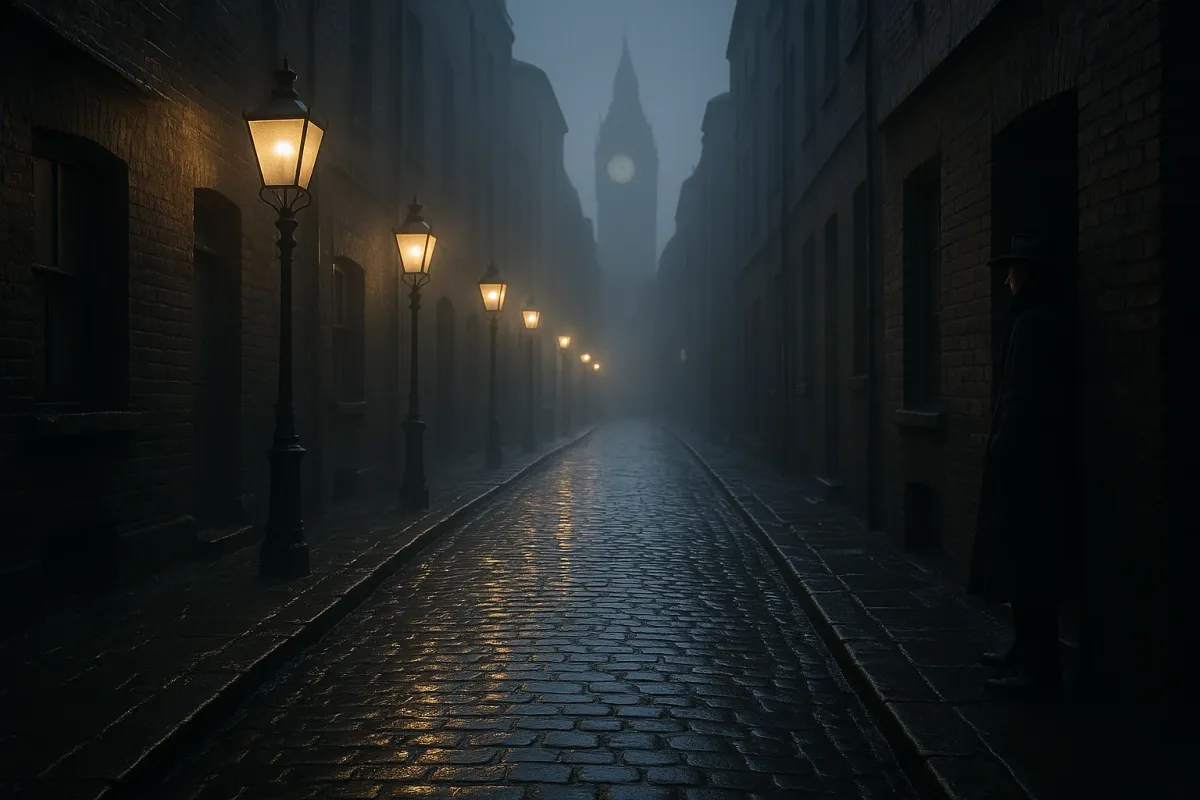
If you’ve been watching the headlines and feeling that itch to step into a real‑life Victorian thriller, this is your sign. Whitechapel and its neighboring districts are no longer the grim slums they once were—but at night, with a little imagination (and a good walking route), London still lets you time‑travel straight into one of history’s most haunting unsolved cases.
Below are five ways to turn today’s Jack the Ripper buzz into an unforgettable, spine‑tingling London adventure—no armchair sleuthing required.
Follow the Lanterns: Walking the Real Ripper Streets After Dark
The current online frenzy over Jack the Ripper’s “true” identity feels very modern—DNA analysis, Reddit threads, viral think pieces—but the heart of the story still lives in the streets themselves. Start your journey in Whitechapel as the sun drops and the city’s glow softens into something cinematic. Brick Lane’s street art and curry houses give way, a few blocks over, to quieter lanes where cobblestones remember more than they reveal.
Several local companies run nightly Ripper walking tours that weave past the actual locations connected to the 1888 murders. You’ll wander through Mitre Square, Aldgate, and Dorset Street’s shadow (what’s left of it), while guides narrate the case with chilling detail. Pro tip: pick a tour that references the latest DNA debate—you’ll hear how modern forensic theories stack up against Victorian detective work. Wear comfortable shoes, bring a light rain jacket (this is London, after all), and keep your camera ready. The mix of neon reflections in puddles, old brick, and church spires cutting into the mist makes for otherworldly photos.
Hunt for Clues in London’s Museums and Archives
This month’s renewed headlines about Jack the Ripper haven’t just stirred up social media—they’ve sent curious travelers searching for the real evidence. If you’re the kind of person who wants to see source material instead of just TikTok breakdowns, London rewards your curiosity in a big way.
Start at the Museum of London (both the main site and the Docklands branch often feature exhibits on Victorian London, crime, and social history). You’ll get powerful context: overcrowded tenements, industrial smog, and the social tensions that made 1880s Whitechapel such a pressure cooker. From there, head to the City of London Police Museum or the Metropolitan Police Heritage Centre, where displays on 19th‑century policing reveal just how far criminal investigation has evolved—long before anyone dreamed of DNA. If you’re committed, register for a reading‑room slot at the National Archives in Kew and browse digitized coroner’s reports, inquest papers, or contemporary newspaper coverage. Plan ahead: many archives require advance booking, and photography rules can be strict. But there’s nothing quite like running your eyes over documents that investigators held more than a century ago.
Sleep in Style, Then Chase Ghosts at Dawn
Travelers chasing the Ripper story today don’t have to rough it like Victorian East Enders. One of the most thrilling contrasts of a Ripper‑themed trip is waking up in a plush modern hotel just a short walk from some of London’s darkest history. Base yourself near Aldgate, Tower Hill, or Liverpool Street: you’ll be close to the original sites, while having fast Tube links to the rest of the city.
Book a room with city views—you want that first‑light panorama of London’s towers, church domes, and brick rooftops as you plan your day’s sleuthing. In the early morning, when the streets are quiet and the fog sometimes rolls in from the Thames, retrace your night‑tour route alone. The same alleys that felt crowded and theatrical at 9 p.m. can seem eerily intimate at 7 a.m. This is your chance to photograph empty lanes, faded signage, and Victorian doorways before commuters pour out of the Underground. Pack a small notebook. Jot down details that catch your eye: the sound of church bells, the smell of fresh bread from a nearby bakery, the sudden echo of footsteps. It turns the neighborhood into your own living case file.
Taste the New East London Rising from Old Shadows
Today’s East London is not the hungry, desperate district Jack the Ripper preyed on—and that transformation is part of what makes it such a compelling destination right now. While the world argues online about the killer’s identity, locals are busy building a new chapter for the neighborhood, filled with indie coffee shops, markets, and global food that will completely reset your mental picture of “Whitechapel.”
Spend a late morning exploring Spitalfields Market, just a short stroll from key Ripper locations. Beneath its glass‑and‑iron roof, you’ll find designer stalls, vintage clothes, and food from every corner of the planet. Grab a flaky pastry and watch the crowds: artists, bankers, students, and travelers all swirling together above streets whose names crime buffs will recognize from their research. Later, follow Brick Lane north for Bangladeshi curry houses and street‑food pop‑ups. Here’s the move: do your Ripper walk before dinner, then reward your courage with a steaming plate of chana masala or a loaded salt‑beef bagel from a late‑night bakery. It’s a powerful way to reclaim streets once synonymous with terror as a place of flavor, community, and life.
Turn Your Trip into a Living Investigation (Ethically)
With each new DNA “breakthrough” making headlines, it’s tempting to land in London and declare yourself the detective who will finally solve the case. Use that energy—but aim it toward understanding, not obsession. Start by reading multiple perspectives before you arrive: historians who doubt the DNA claims, forensic experts who explain why samples are tricky after so many years, and social historians who focus less on the killer and more on his victims and their world.
As you move through Whitechapel, notice memorial plaques and projects that honor the women whose names sometimes get overshadowed by that infamous pseudonym: Mary Ann Nichols, Annie Chapman, Elizabeth Stride, Catherine Eddowes, Mary Jane Kelly. Let your night walks and museum visits raise better questions instead of forcing neat answers. Why are we still so captivated by this mystery? What does London choose to remember, and what does it try to forget? Bring a good low‑light camera or phone, record short voice memos of your reflections, and share the journey online with context, not just jump‑scares. Mystery is a powerful travel fuel—but empathy makes the trip unforgettable.
Conclusion
As arguments flare up again over whether DNA will ever unmask Jack the Ripper, London quietly keeps offering something richer than a single “big reveal.” It gives you a city where gaslit alleys meet glass skyscrapers, where unsolved crimes collide with world‑class cuisine, and where history refuses to sit still on a museum shelf.
If the latest headlines have pulled you back into the Ripper rabbit hole, step away from the comment threads and step into the streets instead. Walk the routes. Read the records. Taste the new East End rising from the old. Let London remind you that the best mysteries aren’t just solved—they’re walked, one cobblestone at a time.