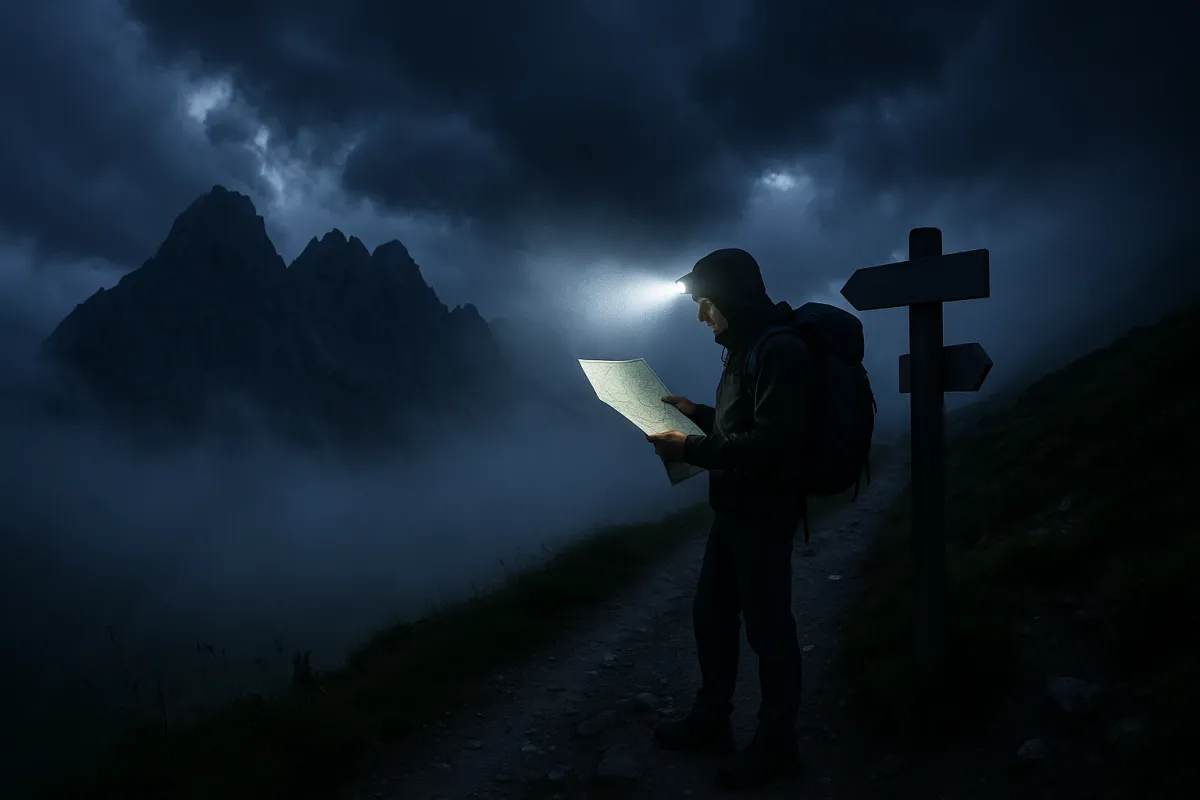
Yet hidden inside this disturbing headline is a hard, necessary truth for every adventurer: not every threat in the wild is a wild animal, a loose rock, or a sudden storm. Sometimes, danger looks like the person you trusted to lead the way. If you love the mountains, trails, and big landscapes, this moment is a wake‑up call—an invitation to make your adventures braver, smarter, and safer than ever before.
Below are five powerful ways to turn today’s unsettling mountain news into fuel for stronger, more intentional adventures—without losing the wild magic that draws you outside in the first place.
Trust the Trail, But Verify the People You Hike With
Mountains don’t lie. Elevation gain, weather, distance—you can track them all. People are different. The case behind the “disturbing behavior on mountain” headline is a gut‑level reminder that who you hike with matters just as much as where you go. Before committing to a big outing, especially in remote terrain, take time to vet your adventure partners as thoroughly as you’d vet your gear. Ask about their experience honestly. Notice how they handle stress on shorter hikes. Pay attention to temper, decision‑making, and respect—both for you and for the landscape.
For group trips or family adventures, set expectations out loud: how you’ll make decisions, how you’ll handle disagreements, and what anyone can say if they start to feel unsafe. Make it normal to ask, “Does this still feel good for everyone?” halfway through a hike. If you’re joining a guided trip, research the company’s safety record, read recent reviews, and look for guides certified by recognized organizations. Your adventure should expand your world, not trap you in someone else’s bad choices.
Turn “Just a Family Hike” Into a Real Adventure Plan
One haunting detail in the current mountain story is how ordinary the setting sounds: a family outing in the hills, something many of us grew up with or dream of giving to our kids. But “ordinary” is what makes people skip the basics. Don’t. Treat every mountain day—even a short, scenic walk—as an actual expedition. That doesn’t mean fear; it means intention.
Create a simple trip plan before you go: where you’re starting, your route, turnaround time, and who is responsible for what. Share this plan with someone who’s not on the hike. Use mobile tools (like AllTrails, Strava routes, or offline maps on Gaia GPS or Outdooractive) to mark your path, but don’t rely on your phone alone. Your plan is your safety net if weather shifts, tempers flare, or someone wants to push beyond what feels okay. When you treat adventure with respect, you buy yourself freedom: freedom to linger at a viewpoint, change your mind, or turn around early—and still feel like you crushed the day.
Teach Kids (and Adults) How to Speak Up in the Wild
What makes the headline so heartbreaking is the children’s voices: confused, afraid, trying to make sense of something that should never have happened. If you’re taking kids into the mountains—your own, a friend’s, or on a group outing—your greatest piece of “gear” is the safety script you hand them. Before you leave the trailhead, tell them plainly: “If you ever feel unsafe because of the weather, the trail, or even because of me or anyone else, you are allowed to say something. Out loud. Right away.”
Create code words or simple phrases that kids can use if they’re scared: “I need a full stop,” or “Red flag.” Make it clear that no summit, no photo, and no adult ego is more important than their comfort. Model it yourself. If conditions sketch you out, say so: “This ridge feels exposed. I’m not loving this; let’s reassess.” When children see grown‑ups changing plans in the name of safety, they learn that courage and caution can walk the same trail.
Choose Routes That Challenge Your Soul, Not Just Your Ego
Every time a mountain tragedy makes the news—whether through alleged foul play like this week’s case, or accidents that started as “just one more step”—we’re reminded how tightly adventure and ego can be entwined. The urge to go higher, farther, steeper is wired into us. But sometimes the bravest thing you can do on a mountain is stop chasing the bragging rights and start chasing the experience.
When you plan your next trip, ask yourself: “What do I actually want to feel out there?” Maybe it’s awe, maybe it’s quiet, maybe it’s the satisfaction of moving your body for hours under an open sky. You don’t need a death‑defying ridge or a viral‑worthy peak for that. Look for ridgelines with safe exits, loop trails with multiple turnaround points, valleys with big views that don’t require sketchy scrambles. Choose challenge that expands your confidence instead of shredding it. The best adventures leave you hungry for more life, not flirting with the edge of it.
Build a Safety Culture That Travels With You Everywhere
This week, social feeds are full of outrage, sorrow, and fear about what allegedly happened on that mountain. Let’s not waste that emotional energy. Turn it into a personal safety culture that you carry to every wild place you visit—from local hills to Himalayan basecamps. Start with three simple commitments:
First, never override your gut. If something about a person, plan, or route feels off, you don’t owe anyone an explanation for opting out. Second, always have at least one independent way to call for help: fully charged phone, battery pack, and where possible, a satellite communicator like Garmin inReach, ZOLEO, or a similar device if you’re going remote. Third, debrief after every adventure, even the easy ones: What worked? What felt sketchy? What will we do differently next time?
Share these habits loudly. Post your trip plans and debriefs on social media not just as highlight reels, but as mini safety case studies. Normalize conversations about boundaries and consent in the outdoors the same way we normalize gear lists and packing hacks. When more of us show that being safety‑obsessed is part of being truly adventurous, the culture shifts—trail by trail, group by group.
Conclusion
The story behind the headline “Children’s Heartbreaking Words Revealed After Dad’s Disturbing Behavior On Mountain” is still unfolding, and it may leave a scar on how some people see the wilderness. But mountains themselves haven’t changed. They’re still the same wild, patient giants waiting for our footprints and our respect. What can change—starting now—is how we show up in them.
Your next hike, climb, or backcountry trek can be a quiet rebellion against every dark story the news throws at us. Go prepared. Go with people who earn your trust. Go with a voice that’s ready to speak up, and a heart that knows turning back is its own kind of victory. Adventure isn’t meant to silence you; it’s meant to make you more fully alive.