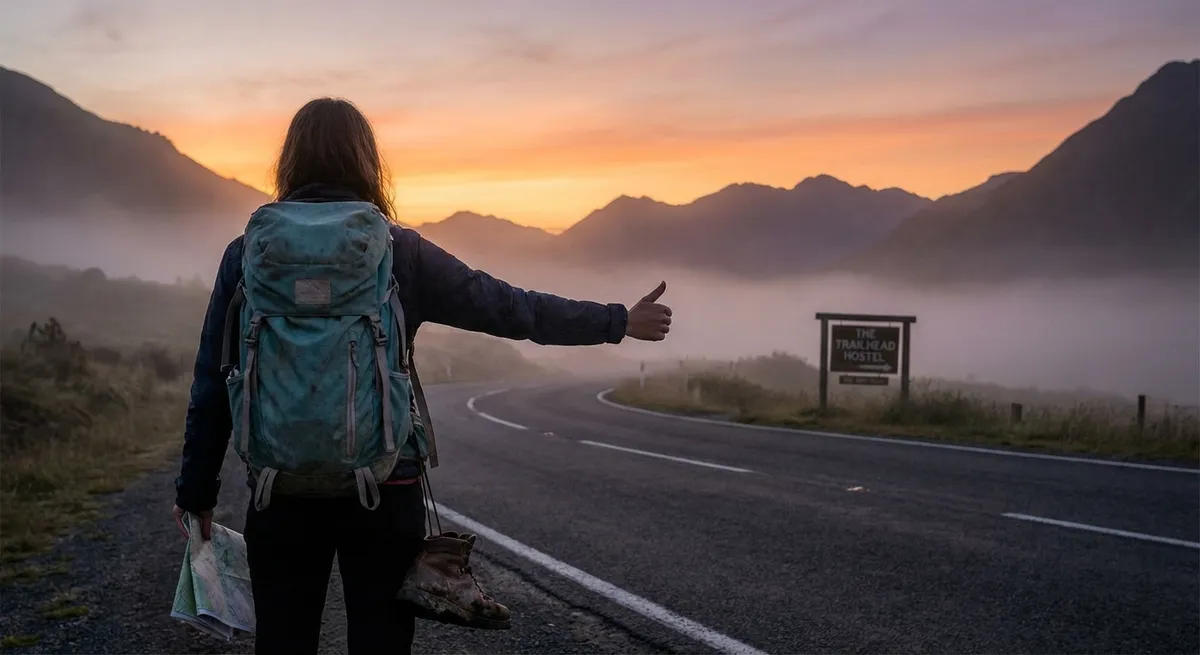
Below are five powerful ways to turn budget constraints into your greatest travel superpower—each one an invitation to step a little further, stay a little longer, and live a lot more vividly.
Stretch Time, Not Just Money: Slow Travel as a Secret Weapon
Racing through ten cities in ten days looks impressive on a map, but your memories turn into a blur of train stations and check-out times. When you slow down instead, your money—and your experiences—multiply.
Staying longer in one place often unlocks weekly discounts on apartments and hostels, cheaper public transport passes, and the chance to shop where locals shop instead of at tourist prices. You’ll learn which neighborhood café refills your coffee for free and which park becomes a free outdoor gym every evening. Slow travel also means fewer transit costs and less impulsive spending because you’re not constantly packing, rushing, and grabbing last-minute taxis or airport meals.
Most importantly, slowing down gives you access to the texture of a place: the quiet mornings before markets get noisy, the rhythm of a neighborhood over days instead of hours, and the comfort that comes when a foreign city starts to feel familiar. On a budget, time becomes your richest currency—spend it deeply in fewer places.
Chase Experiences, Not Addresses: Redefining What "Luxury" Means
Budget travel isn’t the absence of luxury—it’s a redefinition of it. Instead of five-star lobbies, you might find your version of luxury in a mountain sunrise you hiked to at 5 a.m., or in a $2 meal so good you remember it for a decade.
Shift your focus from “must-see” lists to “must-feel” moments. A sunrise ferry ride costs less than a crowded cruise but gives you the same golden light over the water, minus the noise. A free walking tour brings the city’s stories to life more vividly than a checklist of selfie spots. Wild swimming in a river, taking a local bus into the countryside, or wandering a food market at closing time—these cost almost nothing but feel like secret upgrades to your trip.
When you design your travels around sensations—wind on your face, spices in the air, the echo of a language you don’t quite understand—your budget stops feeling like a limit and starts feeling like a compass, steering you away from polished postcards and toward something real.
Turn Every City Into a Playground of Free (or Almost Free) Wonders
The world is stacked with experiences that don’t demand a credit card, only curiosity. Museums with free-entry days, city festivals, open-air concerts, local markets, hiking trails, and riverside promenades are often where a city shows its true soul.
Before you arrive, dig into city websites, tourism boards, and community calendars. You’ll often find seasonal events: open-air film nights, cultural parades, food fairs where you can taste regional dishes for a few coins, or free museum evenings supported by local governments. Many major cities also offer donation-based or free walking tours—perfect for learning history, orientation, and insider tips all at once.
Nature is the ultimate budget-friendly attraction: coastal paths, public beaches, urban parks, and nearby hills or forests invite you into the wild without demanding a fee. Pack a simple picnic from a local supermarket and suddenly you’ve swapped a pricey restaurant meal for a view that money can’t buy. When you approach each new place like a treasure hunt for free experiences, every day becomes a game—with rich rewards.
Sleep Clever: Creative Stays That Open Doors and Cut Costs
Where you sleep can be more than just a line on your budget—it can shape your entire adventure. Hostels, for instance, aren’t just about cheap beds; they’re social hubs filled with travelers swapping tips, sharing rides, and sometimes even cooking communal dinners. A simple dorm room can lead to shared excursions, split taxi fares, and friendships that outlast your passport stamps.
Beyond hostels, look for guesthouses, homestays, and locally run inns. They often include breakfast, kitchen access, or bikes you can borrow for free. In some regions, overnight buses or trains can double as your accommodation, cutting a night’s lodging from your budget while carrying you to your next chapter as you sleep.
For longer stays, apartment rentals or room shares can dramatically lower your nightly costs, especially if you cook some of your own meals. Think creatively: house-sitting, farm stays, or volunteering exchanges can give you a place to sleep and a way to connect with locals on a deeper level. Each clever sleeping arrangement isn’t just about saving money—it’s a portal into different ways of living.
Hack Your Daily Habits: Micro-Moves That Add Up to Major Miles
Most travel budgets aren’t broken by flights; they’re drained slowly by daily habits. A coffee here, a taxi there, another impulse snack—it all quietly piles up. But with a few intentional shifts, you can free up surprising amounts of cash for the moments that truly matter.
Walk whenever possible. Not only do you save on transport, you see the city at ground level: the street art, the side alleys, the unexpected viewpoints. Use public transit instead of rideshares; many cities offer daily or weekly passes that make every journey cheaper. Eat where the line of locals is longest and the menu is shortest—these are often the most authentic, affordable spots. Lunch specials can be significantly cheaper than dinner, so make your biggest meal midday and keep evenings simple.
Carry a reusable water bottle and snacks from grocery stores to avoid paying “tourist tax” at attractions. Track your spending—just a few minutes each night—to see where your money truly goes. These micro-moves might feel small, but over weeks, they can add up to extra days on the road, extra side trips, or the freedom to say yes to that one unforgettable experience.
Conclusion
Bold travel isn’t reserved for people with endless savings and unlimited vacation days. It belongs to those willing to be resourceful, curious, and just brave enough to start before everything feels perfectly arranged. With slow travel, creative stays, free city adventures, and smart daily habits, your budget transforms from a barrier into a blueprint.
The question isn’t “Can I afford to travel?” but “How can I shape my choices so my budget takes me further?” Every small decision—walking instead of riding, cooking instead of dining out, staying longer instead of rushing through—pushes the horizon a little farther away, inviting you to follow.
Pack your courage, your curiosity, and your lightest bag. The world is wider than your bank balance—and it’s waiting.
Sources
- U.S. Department of State – Travel Advice and Country Information - Official safety, entry, and advisory information to help plan budget-conscious and secure trips
- Lonely Planet – Budget Travel Tips - Practical guidance on stretching money on the road, from transport to accommodation
- Rick Steves – Money-Saving Travel Tips - Detailed strategies for cutting everyday costs while traveling in a smart, sustainable way
- European Commission – Interrail and Eurail Train Travel Info - Overview of rail passes that support affordable slow travel across Europe
- National Park Service (NPS) - Information on U.S. national parks, many of which offer low-cost or free nature experiences ideal for budget travelers