Turn Your First Hour into a “Landing Ritual”
Most travelers arrive, drop their bags, and immediately chase sights. Instead, claim your first hour as a landing ritual—a deliberate transition from “visitor” to “temporary local.” As soon as you check in, walk a slow loop around your block or neighborhood. Notice the color of the doors, the smells from nearby kitchens, the rhythm of traffic, the way people greet each other. Step into the first grocery shop or market you see and buy one local snack and one drink you’ve never tried.
This simple ritual does three things: it grounds you, it orients you, and it quietly tells your brain, “I live here now, even if only for a few days.” Sit on a bench or curb and eat that snack while studying a paper or offline map, tracing where you are with your finger instead of just tapping on a screen. You’re not racing to ‘see it all’; you’re tuning your senses to the new frequency of this place. That one mindful hour becomes a small anchor you’ll remember long after the big postcard moments fade.
Let One Question Lead Your Entire Trip
Instead of treating your trip like a checklist of “must-sees,” let a single burning question steer your days. It could be wildly specific—“How do people here start their mornings?”—or sweeping—“What does joy look like in this city?” Every decision becomes an answer in progress. Choose neighborhoods, cafés, markets, and routes that help you explore that question from different angles.
Ask locals directly in simple, friendly ways: “Where would you go if you had a free afternoon?” or “What’s something people here celebrate that outsiders miss?” This question-based approach flips your mindset from passive consumer to curious explorer. You stop comparing the place to where you came from and start experiencing it on its own terms. Your photos become more than proof that you “went”; they’re visual notes from an investigation into how other people live, love, rest, and celebrate.
Travel at Two Speeds: Fast for Wonder, Slow for Detail
The most memorable trips rarely happen at one speed. Build a rhythm: a pulse of fast, heart‑racing discovery followed by deliberate slowness where details can land. On your “fast” segments, say yes to the wild experiences—sunrise hikes, long train rides, street food crawls, night markets, city viewpoints. Let your senses be flooded. Take the subway at rush hour, ride a bike through traffic, or hop on that rickety bus locals use without overthinking it (as long as it’s safe).
Then, deliberately switch gears. Dedicate entire mornings or afternoons to moving slowly. Wander one neighborhood with no agenda beyond noticing. Linger in a park, read in a café, watch how the light changes on a square. That contrast is where memories deepen: your brain needs the quiet stretches to process the adrenaline-filled ones. When you plan your days, don’t just list attractions; design a rhythm—one that makes room for both the sprint and the stroll.
Make Your Meals a Map, Not Just a Refuel
Food is the fastest way to digest a place’s history, climate, and culture. Instead of defaulting to the nearest restaurant with an English menu, turn eating into a mini-expedition. Start by asking a local—not a concierge or guide, but a barista, shopkeeper, or rideshare driver—where they’d take a friend for a meal that feels like “home.” They’ll often point you away from the obvious tourist corridors toward quieter streets, neighborhood favorites, or specific stalls in sprawling markets.
When you arrive, treat the experience like a tiny cultural exchange. Ask what’s seasonal, what people here order on a cold day, or what dish they’re proudest of. If you’re at a market, follow your curiosity—smell spices, watch how foods are prepared, ask if you can taste something small before committing. Keep a running “meal map” in your notes: not just where you ate, but what stories or details came with each dish. Over time, your trip becomes a trail of flavors and human encounters, not just receipts.
Build a Departure Ritual So the Trip Never Fully Ends
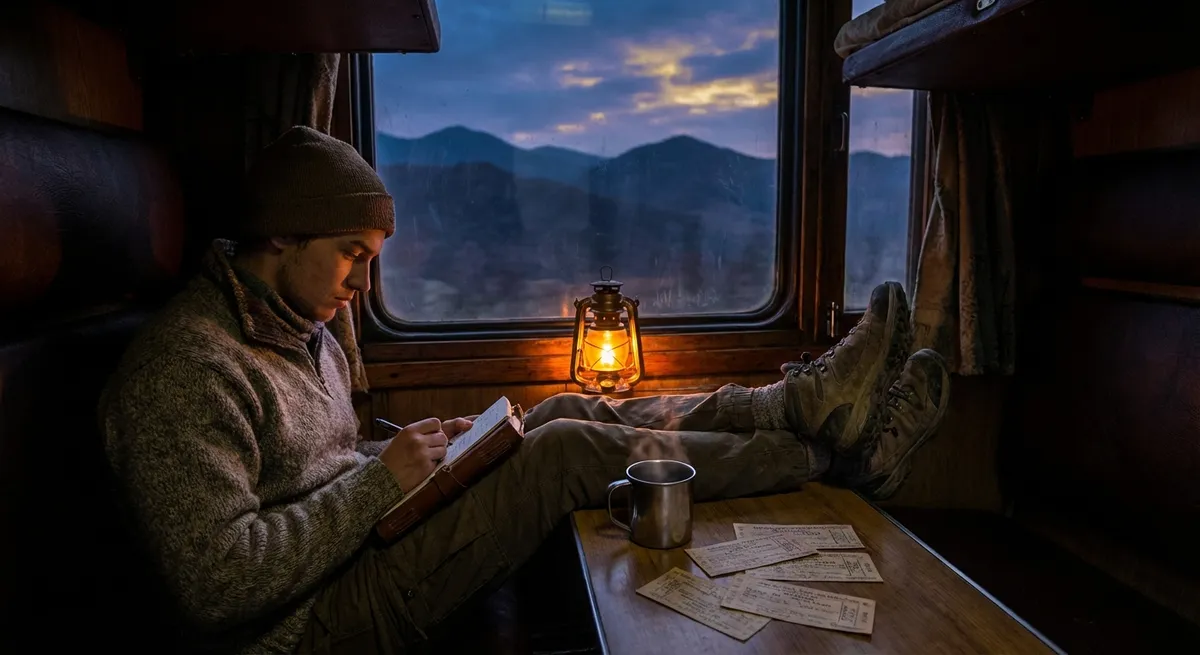
Most trips end in a blur—last-minute packing, frantic rides to the airport, a quick glance back through hotel windows. Instead, create a departure ritual that lets you carry what you discovered into your regular life. The night before you leave, take a short solo walk—a final loop through streets you now recognize. On that walk, choose one object to keep that isn’t a typical souvenir: a ticket stub, a pressed leaf, a café receipt, a handwritten phrase in the local language, a piece of local packaging with beautiful design.
Back in your room, write three truths you’re taking home: one thing you learned about the place, one thing you learned about other people, and one thing you learned about yourself. Keep it raw and specific—“I am braver with strangers than I thought,” or “I like who I am when my days are barely planned.” When you get home, place that small object and those words somewhere you’ll see often—on your desk, mirror, or fridge. It becomes a quiet signal: the trip isn’t over; it’s still quietly shaping your next move.
Conclusion
Every journey is a chance to rewrite how you move through the world—not just where you go, but how you pay attention once you’re there. By creating simple, intentional rituals—how you land, what questions you ask, the speed you travel at, how you eat, and how you say goodbye—you turn any destination into more than a backdrop. You become an active participant in the story. The map is only the outline; the way you inhabit the in‑between is what turns your trip into something unforgettable. Your next ticket isn’t just a way out; it’s an invitation to step into a bolder, more awake version of yourself.
Sources
- U.S. Department of State – Traveler’s Checklist - Practical guidance on documents, safety, and preparation before international trips
- Centers for Disease Control and Prevention – Traveler’s Health - Up-to-date health advice, vaccinations, and destination-specific recommendations
- BBC Travel – How to Travel Like a Local - Insightful perspectives on engaging authentically with destinations and communities
- National Geographic Travel – Why Slow Travel Is the Smartest Way to See the World - Explores the benefits of slowing down to deepen experiences on the road
- Lonely Planet – How to Find the Best Local Food When You Travel - Tips on using food as a gateway to cultural understanding while traveling