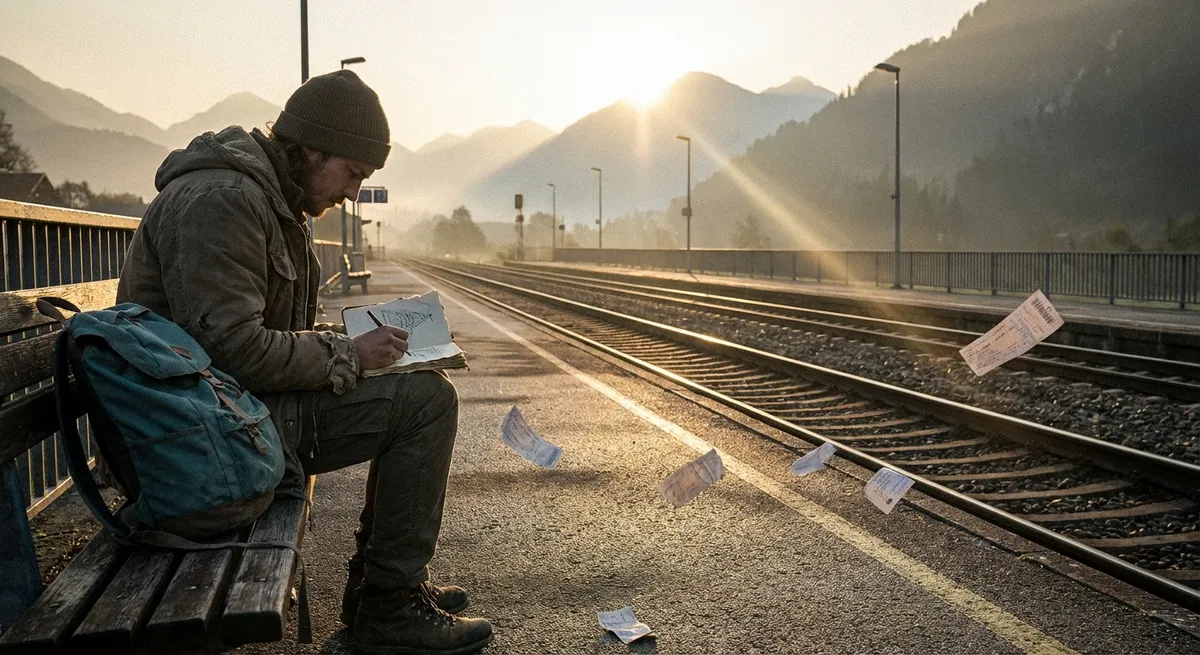
1. Make Every Arrival a Ritual, Not a Rush
That first hour in a new place can set the tone for your entire trip. Instead of sprinting to the hotel and collapsing, turn arrival into a grounding ritual.
Step outside the station or airport and pause. Notice the quality of the light, the air on your skin, the soundscape—distant horns, unfamiliar birds, scooters whining past. Choose one small “anchor” moment: buying a coffee from a local kiosk, tasting a street snack, or sitting on a nearby bench to watch how people move and interact.
Use this time to adjust your senses before your schedule. Grab a local SIM or eSIM, but don’t bury yourself in your phone. Mark one nearby landmark on an offline map so you know how to find your way back. This simple ritual slows you down just enough to feel the place instead of just entering it.
When you treat arrival as a ceremony, not a checklist, you open yourself to serendipity: a chatty vendor, a side street that smells like fresh bread, or a tiny cafe that becomes “your spot” for the rest of the trip.
2. Turn Long Rides Into Moving Classrooms
Buses, trains, and ferries can feel like dead time—unless you flip them into the most immersive classroom you’ll ever sit in.
Before you board, pick a “micro‑mission” for the ride:
- Learn ten phrases in the local language and actually use them with staff or seatmates.
- Study a simple map and trace your route, matching town names to what you see outside the window.
- Watch or read a short piece of local history or culture, then look for signs of it in real life: architecture, street art, clothing, or farmland patterns.
Travel with a tiny toolkit: a notebook, pen, and downloaded reading or podcasts about the region. Jot down small observations—what people eat on the bus, how they greet each other, how they carry their bags. These details become the texture of your memories later.
If you feel safe and comfortable, start a conversation: ask a local what they wish visitors knew about their city, what food you must try, or what neighborhood they’d send a friend to. One bus ride can hand you a week’s worth of authentic recommendations and a story that never would have surfaced from a guidebook.
3. Pack a “Bold Move” Kit to Spark Micro‑Adventures
Adventure doesn’t always come from grand plans; it’s often one tiny, brave choice. Build a small “Bold Move” kit that nudges you to say yes more often.
Your kit could include:
- A lightweight scarf or sarong: instant temple cover‑up, beach blanket, or picnic cloth for spontaneous snacks in a park.
- A small foldable tote: for sudden market finds, impromptu hikes, or beach clean‑ups.
- A change of socks and a compact toiletries set: so you can confidently say yes to an unexpected overnight or a late‑night bus without feeling gross.
- A mini first‑aid and comfort pack: bandages, pain relievers, blister patches, and hand sanitizer, so minor mishaps never derail an adventure.
Pair this with one personal rule: “Once a day, I’ll choose the slightly bolder option.” That might mean taking the tram instead of a taxi, wandering down the livelier side street, or stepping into the tiny, busy cafe with the handwritten menu instead of the safe chain next door.
By making boldness easy—and comfortable—you transform random moments into mini‑quests, all powered by the gear you can carry in one small pouch.
4. Use Food as Your Compass, Not Just Your Fuel
Meals can be more than pit stops between attractions; they can be the map that guides your entire day.
Instead of searching “best restaurants,” pick a local dish or ingredient and design your exploration around where and how locals enjoy it. In coastal towns, follow the fishermen’s schedule to see when the catch comes in. In cities, look for market halls, family‑run bakeries, or street food clusters where workers grab lunch.
Try these approaches:
- Eat one meal at a place with no English menu: point, ask for recommendations, and trust the kitchen.
- Visit a supermarket and buy a few unfamiliar snacks or drinks; have a “tasting session” on a bench while people‑watching.
- Take a cooking class or street food walk early in your trip; then spend the rest of your stay spotting those ingredients and dishes in the wild.
Ask cooks and servers where they would eat on their day off. These simple conversations can unlock neighborhoods you never would have considered visiting and connect you to traditions that don’t make it into standard travel blogs.
5. Capture Stories, Not Just Photos
Photos freeze a split second; stories keep the whole moment alive. Instead of chasing the perfect picture, aim to collect narratives—small, personal, and specific—that you can share long after the trip.
Choose one of these daily storytelling habits:
- The “Three Things” Rule: each night, write down one thing you saw, one thing you heard, and one thing you felt that day. Keep it vivid: the rhythm of a train crossing, the smell of rain on hot tiles, the weight of your backpack digging into your shoulders just before the view opened up.
- The “Character of the Day”: sketch a portrait in words of one person you noticed—a vendor, a bus driver, a kid playing in a square. Capture their gestures, expressions, and what they taught you (even if they never spoke to you).
- The “Unexpected Turn”: document one moment that didn’t go to plan and how it surprised you—inconvenience often hides the best plot twists.
Use your camera to support the story, not replace it: grab wide shots to set the scene, close‑ups to anchor details (coffee cups, ticket stubs, hand‑painted signs), and candid moments that show movement and mood. When you post on social media, pair each image with a fragment of the story, not just a caption like “Loved this place!”
The more you travel like a storyteller, the more your trips feel like living, evolving narratives instead of a checklist of “must‑sees.”
Conclusion
Adventure isn’t waiting only on mountaintops and remote islands; it’s woven through every delay, detour, meal, and border crossing. When you ritualize arrivals, turn rides into classrooms, pack for boldness, follow food as your compass, and collect stories instead of just snapshots, even your transit days become unforgettable chapters. The next time you set out, don’t just aim to arrive somewhere new—aim to travel in a new way, where every in‑between moment has the potential to surprise you.
Sources
- U.S. Department of State – Traveler’s Checklist - Official guidance on documents, safety, and preparation for international travel
- Centers for Disease Control and Prevention – Travel Health - Up‑to‑date health advice, vaccinations, and region‑specific recommendations
- Lonely Planet – Responsible Travel Tips - Practical ideas for connecting more deeply and ethically with local cultures
- BBC Travel – How to Travel Like a Local - Insights on using local transport, food, and customs to enrich your journey
- National Geographic – The Art of Slow Travel - Explores how slowing down and savoring transit and everyday moments transforms the travel experience