Below are five journey-shifting ideas that don’t just move you from A to B—they wake up everything in between.
1. Turn Every Layover Into a Micro‑Quest
Most travelers treat layovers as a chore. Flip the script: treat them as timed challenges in a city you never expected to meet.
Before you land, scan the airport’s website or map and choose a theme: local food sampler, art hunt, rooftop or runway view, or spa-and-stretch reset. Many international hubs host rotating art exhibitions, open terraces, and regional dishes you’d never find in a departure lounge at home. If your layover is long enough and visa rules allow, stash your luggage at an airport locker and dash into the nearest neighborhood—maybe it’s a waterfront promenade, a historic market street, or a park where locals gather at sunset. Give yourself a clear return time and a single mission, like “find one street snack I can’t pronounce” or “photograph three pieces of local street art.” Suddenly, three stagnant hours become a focused, unforgettable side story in your journey.
2. Let Trains, Buses, and Boats Become Moving Observatories
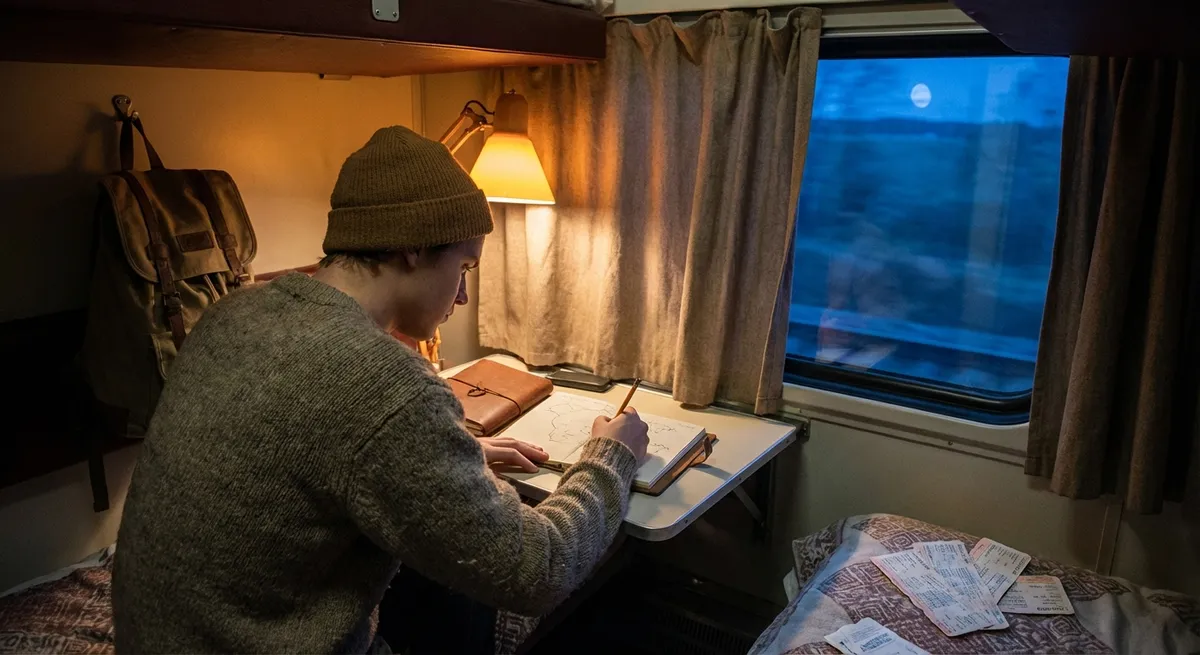
Transit doesn’t have to be dead time; it can be the lens that shows you how a place truly moves. Instead of putting in your headphones and zoning out, treat seats and cabins like front‑row tickets to a rolling documentary.
On trains and long‑distance buses, pick a window seat and pay attention to small details: laundry lines between apartment blocks, the moment city sprawl surrenders to farmland, schoolkids in different uniforms, roadside shrines or murals. Keep a tiny pocket notebook or notes app open and jot down quick fragments—colors, sounds, overheard words in another language. On ferries or river boats, station yourself along the rail where you can feel wind, watch working harbors, and see how the skyline rearranges as you glide past. These fragments become story fuel later, giving your travel memories texture beyond “I went there.” You didn’t just arrive; you watched the country unfold.
3. Turn Where You Sleep Into the Heart of Your Story
Accommodation can be more than a place to drop your backpack—it can be the stage where your favorite scenes unfold. Instead of just scanning for price and location, look for a place with a built‑in experience that fits your style.
Maybe it’s a guesthouse run by a local family that hosts courtyard dinners, a small hostel with nightly cooking classes, or a farm stay where you help with morning chores before hitting the trail. Read recent reviews with an eye for people and rituals: do guests mention long conversations in the common room, sunrise views from the rooftop, or group hikes organized by the owner? Once you arrive, treat the space as a social engine. Hang out in the lobby or kitchen at typical “transition times” (before breakfast, early evening) when other travelers are naturally floating around. Ask staff for one suggestion they’d give a friend visiting for the first time. Your room key isn’t just access to a bed; it’s access to a mini community that can bend your itinerary in the best way.
4. Use Your Camera as a Curiosity Compass, Not a Trophy Machine
Photos can either flatten your trip into clichés—or invite you to look closer than you ever would at home. The trick is to shoot like a curious documentarian, not a collector of proof.
Pick a simple personal “assignment” for each new place: doors and windows, hands at work, market colors, street dogs and cats, or what people sit on (stoops, scooters, cafe chairs, temple steps). Give yourself an hour to wander with that lens in mind. You’ll start noticing corners and interactions you’d otherwise breeze past. Ask permission before photographing people up close, and when you can, show them the shot; sometimes a shared laugh over a candid photo can melt a language barrier. When you review your images at night, you won’t just see monuments—you’ll see patterns, habits, and tiny human moments that tell the real story of the place.
5. Engineer One Bold Question a Day
The most powerful travel tool you carry isn’t your phone or your passport. It’s your willingness to speak up. Make a pact with yourself: once a day, ask a stranger a genuine, open question.
It can be as simple as “Where do you go when you need to clear your head?” or “If I only have one afternoon here, where should I walk?” Ask the barista, the person at the market stall, the host at your guesthouse, the fellow passenger on the tram. Keep it respectful and brief, and read the room—if they’re busy or uncomfortable, smile and move on. But when someone lights up, follow the thread. You might learn about a local festival that isn’t in any guidebook, a small family‑run cafe hidden on a backstreet, or a viewpoint where locals watch storms roll in. These daily questions turn unknown cities into networks of human connections. You’re not just passing through; you’re participating.
Conclusion
Adventure doesn’t wait politely at the edge of a perfectly planned itinerary. It seeps into the cracks: in airport corridors, shared dorms, station platforms, and the spaces between one “sight” and the next. When you treat every transfer, every conversation, every small decision as raw material for your story, your journey stops being a series of destinations and becomes a living, unfolding experience.
Pack your curiosity. Protect your safety and your boundaries. Then let the in‑between moments rise up, unexpected and unscripted, to meet you. That’s where the real trip begins.
Sources
- U.S. Department of State – Traveler’s Checklist - Official guidance on documents, safety, and preparation before traveling abroad
- Transportation Security Administration (TSA) – What Can I Bring? - Up‑to‑date rules for carry‑on and checked items, useful for planning smooth airport transits and layovers
- International Air Transport Association (IATA) – Timatic for Travelers - Provides information on visa, passport, and health requirements that affect whether you can leave the airport during layovers
- Hostelling International - Tips and resources around social, community‑focused stays that can turn accommodation into an experience
- National Geographic – Travel Photography Tips - Practical advice for more meaningful and respectful travel photos that capture the essence of a place