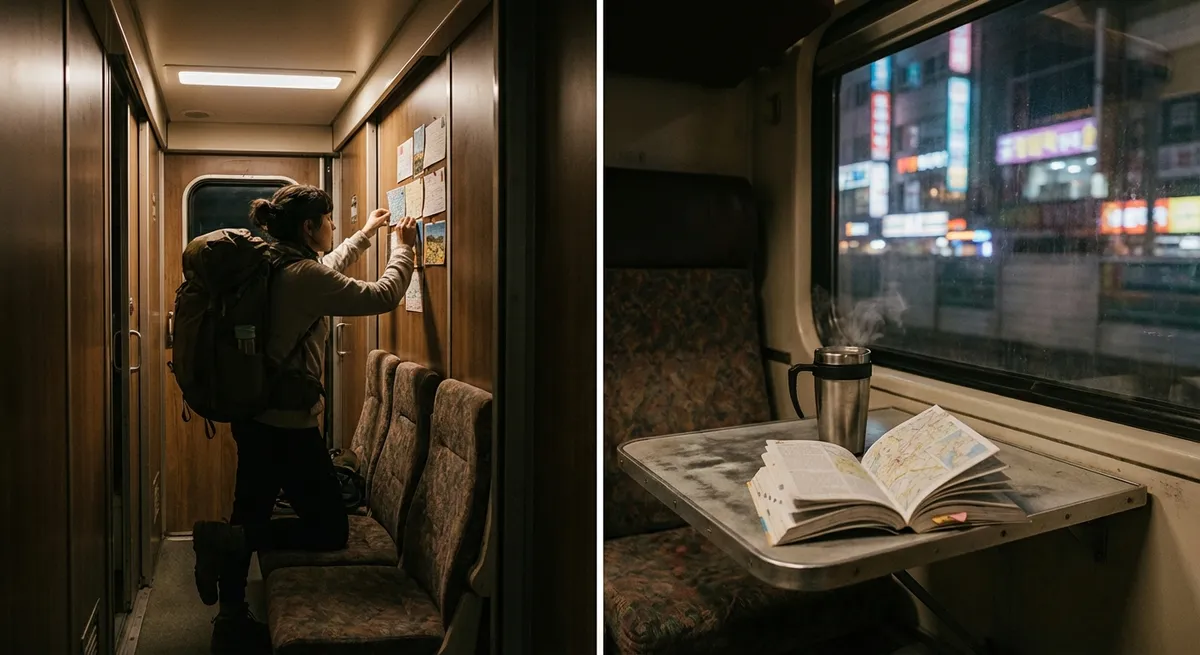
These five travel moves don’t just get you where you’re going—they transform how you experience the journey itself.
1. Chase the Edges of the Day: Dawn and Dusk as Your Secret Itinerary
The world feels different when most people are asleep. Streets whisper instead of roar, colors soften, and even familiar cities reveal a side they hide at noon.
Set one day per trip where you intentionally design your plans around sunrise and sunset. Wake before the city, grab a street coffee or tea, and walk toward a viewpoint—rooftops, riverfronts, quiet beaches, or city parks. You’ll see joggers, bakers starting their shifts, shopkeepers rolling up shutters, and kids heading to early classes. It’s the local heartbeat, unfiltered.
Dusk is your second act. Search for a hill, a waterfront, a bridge, or even the top deck of a public bus that runs through scenic neighborhoods. Listen to how the soundscape changes: evening markets crackle to life, music spills from open windows, and families gather in plazas and courtyards. Plan one “golden hour wander” where you walk with no agenda beyond following the light and your curiosity.
Practical tips: Pack a lightweight layer and a headlamp or phone flashlight for pre-dawn starts. Turn your phone to airplane mode and use offline maps so you’re present but not lost. If safety is a concern, choose well-known spots (public viewpoints, main squares, popular beaches) and tell someone at your stay where you’re heading.
2. Turn Every Market Into a Masterclass in a New Place
Markets aren’t just for souvenirs—they’re live, unscripted tours of a culture. Instead of rushing through for a quick snack, treat the market as a playground for learning.
Pick one local ingredient you don’t recognize and ask a vendor how it’s used. Mimic the phrase in the local language: “How do you cook this?” or “What is this used for?” It’s a small question that often opens a floodgate of stories, recipes, and sometimes even sample bites. Watch what older shoppers are buying and how they choose produce or spices—they’re your best teachers.
Skip the obvious food-court area once and instead eat what the workers eat: the stall tucked behind the butcher, the tiny corner counter turning out one dish nonstop, the line of locals who clearly aren’t there for the Instagram shot. Markets are also a low-pressure way to practice local etiquette—how people queue, how they pay, how they greet, when they haggle and when they don’t.
Practical tips: Carry a small reusable bag and a tiny notebook. Jot down dish names, spice blends, and phrases you hear repeated. Ask vendors if you can take photos after you buy something, not before. And if you love something you taste, ask where people would go to eat “the best version in town”—locals rarely point you wrong.
3. Turn Public Transport Into Your Front-Row Seat to Daily Life
Taxis are easy. But buses, trams, ferries, and metros are where you feel the pulse of a place. Instead of defaulting to rideshares, pick at least one journey each trip that you’ll do the local way—not because it’s cheaper (though it usually is), but because it’s richer.
Study the transit map like it’s a treasure map. Which line crosses a river or bay? Which bus snakes through neighborhoods you’d never otherwise see? Which ferries carry commuters instead of tourists? Time your ride for rush hour once—not to crowd locals, but to quietly observe the rhythms of their commute. Watch what people eat, read, wear, listen to, and how they make space for each other.
If you’re nervous, start with a simple “out and back” route: ride a tram to its final stop, get off, wander a bit, then ride back the same way. You’ll learn the route’s landmarks in reverse, and small moments—a child waving, a vendor loading goods, a musician boarding—stack into the kind of memories no museum can match.
Practical tips: Download the official local transit app or check the city’s transport website before you arrive. Screenshot station names and color codes. Keep small bills or a transit card ready so you’re not fumbling at the front of the line. When in doubt, stand aside, watch how locals board and pay, then follow their lead.
4. Carry a “Tiny Quest” in Every New Place
Instead of trying to “see everything,” give each trip a small, personal quest that guides you: it might be searching for the best local bakery, tracking down street art in hidden alleys, finding one live music spot, or visiting every bridge that crosses a city’s main river.
This “tiny quest” does two things. First, it removes decision fatigue—you always know what you’re loosely aiming for, so you’re free to be spontaneous along the way. Second, it pushes you beyond tourist magnets into residential streets, side avenues, and quiet corners where life unfolds uncurated.
Let your quest be flexible. Maybe you set out for the “oldest café in town” but end up at a neighborhood bakery run by three generations. Maybe you hunt for one particular mural and find a whole block of community art. The point isn’t checking a box; it’s giving your curiosity a breadcrumb trail to follow.
Practical tips: Choose a quest that can be repeated across destinations: vintage bookstores, vinyl shops, local football pitches, tiny neighborhood temples or churches, secondhand stores, independent cinemas. Keep a running “quest log” on your phone with photos and notes from each place, so your travels tell one ongoing, personal story.
5. Pack for Serendipity, Not Just for Convenience
Most packing lists focus on efficiency: fewer clothes, lighter bags, smarter tech. But if you want more adventure, you need to pack items that increase the chances of unplanned, extraordinary moments.
A small packable blanket turns a random hillside, ferry deck, or station platform into an impromptu picnic spot. A lightweight deck of cards or a travel-sized game can break the ice in hostels, trains, and cafés. A compact notebook with a few photos or postcards from your hometown can spark conversations when words fail.
Think in terms of “micro-tools for connection and exploration”: a multi-port charger so you can offer someone a charge, a small phrasebook or downloaded language app to show you’re trying, a reusable cup or utensils so you can say yes to street food and spontaneous tastings. Even a simple carabiner and spare tote bag give you freedom to join in when someone invites you to a market run, a beach cleanup, or a grocery haul.
Practical tips: Before you zip your bag, ask: “What’s in here that invites interaction?” If everything you’re bringing only serves you—your comfort, your tech, your outfits—swap one item for something that opens a door for connection. Those are the objects that become talismans in your stories later.
Conclusion
Travel doesn’t become extraordinary because you flew far, spent big, or checked off a famous landmark. It becomes extraordinary when you treat the journey itself as the main event—when dawn walks, market conversations, bus rides, curious quests, and serendipity-ready packing turn “getting there” into the good part.
Next time you plan a trip, don’t just ask, “Where am I going?” Ask, “How can I move through this place in a way that makes the whole route unforgettable?” That mindset is the real ticket: not just to your destination, but to a life that feels bigger, bolder, and wide awake to the world.
Sources
- U.S. Department of State – Traveler’s Checklist - Official guidance on preparation, documentation, and safety before and during international trips
- Centers for Disease Control and Prevention – Traveler’s Health - Up-to-date health notices, vaccination recommendations, and destination-specific advice for travelers
- Lonely Planet – Travel Tips and Articles - Practical destination and on-the-road tips from a globally recognized travel authority
- National Geographic Travel – Destinations & Experiences - Inspiring stories and photography that highlight immersive and responsible ways to experience places
- BBC Travel – Travel Features and Guides - In-depth features exploring culture, local life, and lesser-known perspectives on destinations around the world