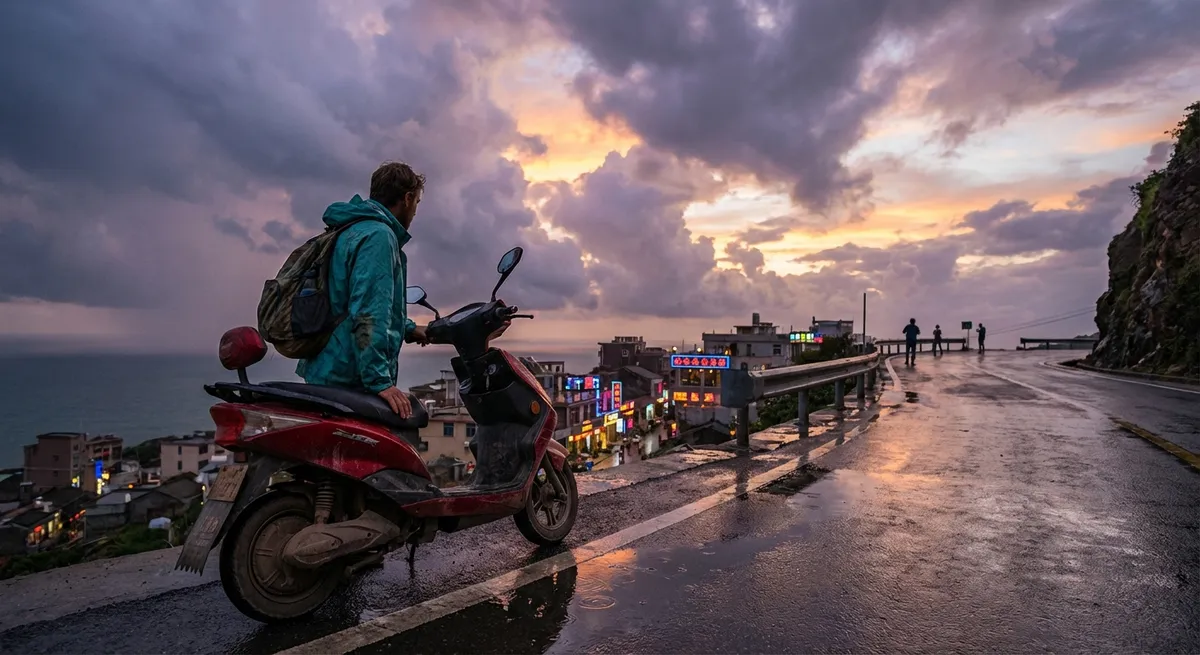
This isn’t about ticking destinations off a list. It’s about learning a few powerful moves that turn any trip—from a quick weekend away to a months‑long odyssey—into something vivid, alive, and unforgettable. These five travel practices are small, but they’ll flip your perspective in big ways.
Step Into the City Before It Wakes
There’s a version of every place that only exists before sunrise.
Slip out while the streets are still blue with early light. Markets are just setting up, delivery trucks are unloading stacks of still-warm bread, and café owners are pulling up metal shutters with sleepy motions. Without the crowds, you’ll see the real bones of a place: the quiet exchanges, the shortcuts locals take, the pace before the world speeds up.
Instead of rushing to hit every sight, pick one neighborhood and simply walk. Listen to the different sounds as the city turns on—bikes clacking over cobblestones, the echo of a hose on pavement, the first burst of conversation from a bakery line. Take a notebook or a notes app and record tiny details: the smell of the air, the color of the light, the things people carry in their hands.
Practical move: The night before, choose a single anchor—a park, a market, a main square—and navigate there on foot at dawn. Leave your headphones off. Pause for one coffee or tea where locals linger. This one slow morning can tell you more about a place than a whole day of rush-hour sightseeing.
Trade Screens for Streets: Let Your Feet Set the Itinerary
Most of us arrive with our days pre-loaded: bookmarks, saved posts, “best of” lists. Useful? Sometimes. Limiting? Often.
Give yourself one block of unscripted time—at least two hours where the only rule is: no map, no algorithm. Let your feet lead. Follow the sound of live music drifting from a side street, the smell of something unfamiliar cooking, or the sight of a staircase that disappears between buildings.
You’ll stumble onto the textures you can’t plan for: a group of friends playing pick-up soccer on a dusty pitch, a corner barber shop buzzing with stories, a tiny shrine tucked into a wall. These are the moments that make your memory of a place feel sharp and personal instead of copy‑pasted from someone else’s feed.
Practical move: Start in a “safe but lived‑in” area (ask a local or your host where they’d send a visiting friend to just walk). Keep a paper map or an offline map in your pocket for emergencies, but resist checking it until you’re truly ready to circle back. Snap photos, but only after you’ve really looked.
Eat Where the Menu Isn’t Written for You
Food is the most direct line into a culture—and also where travelers often play it safest. To unlock the most memorable moments, look for places clearly designed for locals, not visitors.
Walk a few blocks away from the busiest tourist strip. Look for handwritten signs, plastic stools, menus without translations, or a short line of locals on lunch break. Don’t worry if the décor is basic; your goal is energy, not aesthetics. Once you’re there, skip your comfort zone. Ask: “What do you recommend today?” and trust the answer.
This is where you’ll taste dishes that never make it onto glossy brochures, and often where you’ll have your warmest conversations. Maybe the cook shows you how to eat something properly. Maybe you get pulled into a debate about soccer, politics, or pop music. A simple meal becomes a bridge.
Practical move: Learn three phrases before you go: “What is your favorite?,” “What do most people order?,” and “How do I eat this?” Combine that with basic dietary words if needed (like “no peanuts,” “vegetarian,” or “no pork”). Phrasebooks and translation apps are your allies, not crutches.
Collect Stories, Not Souvenirs
The things you bring home will eventually gather dust. The stories you gather keep your trip alive long after your bags are unpacked.
Shift your focus from buying to noticing. Instead of hunting souvenirs, hunt for conversations and quiet stories. Ask your guesthouse owner what they love most about their city in winter. Ask the barista what people here do on a Sunday. Ask the street vendor how long they’ve had their stall. Listen fully, even if it means talking slower, repeating yourself, or using gestures.
You’ll start to see the subtle currents of daily life—the hopes people have, the worries that are shared across borders, the tiny joys that look different but feel the same everywhere. These stories change you: you start carrying the world in your head differently, with more nuance, more compassion, more color.
Practical move: Set yourself a “three stories” intention: on each trip, come home with three real stories from real people (shared respectfully and without prying). Jot them down at night. Over time, this will become your most valuable travel collection.
Turn One Fear Into Your New Favorite Skill
The edge of discomfort is where travel gets electric.
Maybe your quiet fear is navigating public transit in a foreign language. Maybe it’s eating alone in a busy restaurant, trying a new adventure activity, or striking up a conversation with strangers. Instead of sidestepping that edge, design your trip around pushing just one of those fears gently but deliberately.
If crowds intimidate you, ride the metro at a non-rush hour and choose one stop at random to explore. If speaking up scares you, challenge yourself to ask three strangers for directions instead of relying on your phone. If you fear getting lost, set a safe “getting lost window” where you wander on purpose and trust that you’ll find your way back.
Each time you do something that once scared you, your world expands. By the time you return home, you’re not just the person who visited a place; you’re the person who learned how to move through the unknown with more ease and curiosity. That shift doesn’t stay in your passport—it follows you into your work, your relationships, your next leap.
Practical move: Before your trip, write down one specific fear. Under it, list three micro-challenges related to that fear you’re willing to attempt. Celebrate each one as a genuine win, no matter how small it looks from the outside.
Conclusion
The most powerful travel tools aren’t expensive gear, rare destinations, or perfect itineraries. They’re simple moves: waking up with a city, letting your feet decide for a while, eating where the menu surprises you, collecting human stories, and turning one quiet fear into a new strength.
You don’t have to go far to feel your life stretch. Take these five practices to the next town over or across an ocean. Either way, you won’t just be passing through places—you’ll be letting them change you, piece by piece.
When you’re ready for what’s next, pack curiosity first. Everything else can be figured out on the way.
Sources
- U.S. Department of State – Traveler’s Checklist – Practical preparation guidance for safe, flexible travel
- Centers for Disease Control and Prevention – Travel Health – Up-to-date advice on staying healthy while traveling
- UN World Tourism Organization (UNWTO) – Global Tourism Data – Insights on travel trends and the impact of tourism worldwide
- BBC Travel – Features on Local Culture and Experience – Story-driven examples of immersive, culturally aware travel
- Lonely Planet – Travel Tips and Advice – Practical suggestions on transportation, food, and cultural etiquette around the world