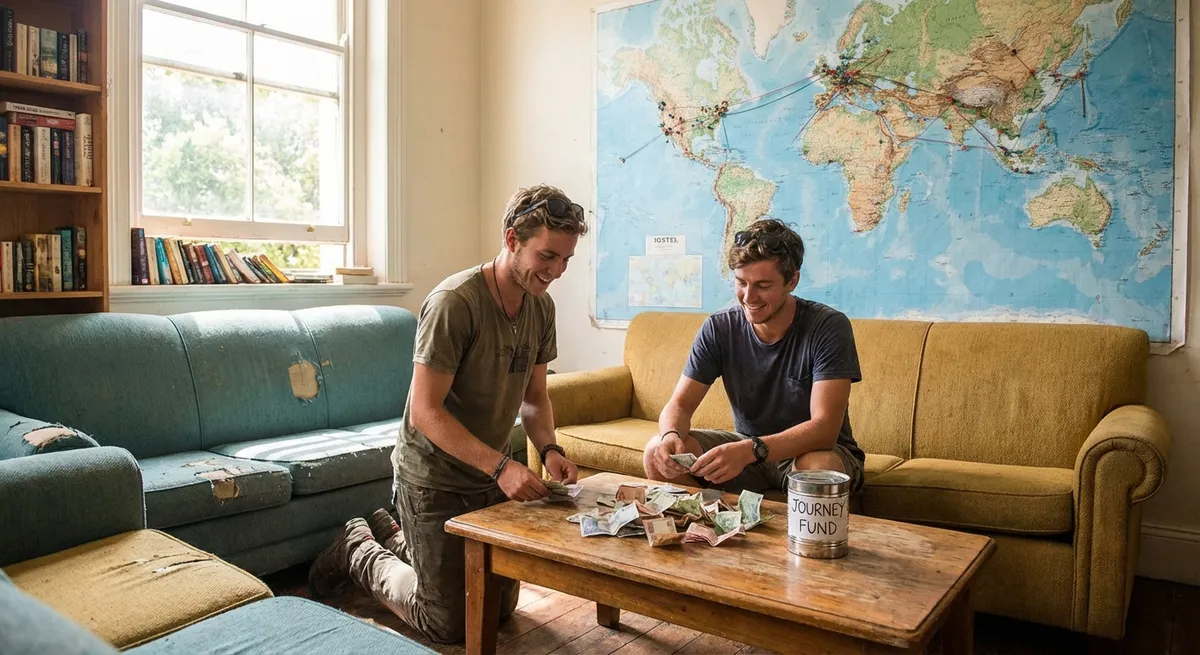
Budget travel isn’t about deprivation or chasing the absolute cheapest option at all costs. It’s about designing a trip where your money follows your curiosity, not your fears. When you treat every dollar like a ticket to a specific experience, suddenly your “too small” budget starts to look like a map of possibilities.
Design a “Curiosity-First” Itinerary Instead of a Cheap-First One
Most budget trips die in a spreadsheet before they ever reach the airport. You list prices, panic, and then cut all the magic. Flip that script. Start by sketching a “curiosity-only” itinerary: what do you want to feel, learn, taste, and see? Maybe it’s the burn in your legs after hiking a coastal trail, the sound of a night market waking up, or the quiet of an old library in a foreign city. Write those down first, then connect them with the most cost-effective routes. This approach ensures you’re trimming the financial fat, not the soul of your trip. Once you know exactly what you’re chasing, it’s easier to identify which expenses are essential and which are just expensive. Suddenly you’re not asking, “How can I do everything as cheaply as possible?” but, “What few things are worth building my budget around?” That shift turns your planning into a treasure hunt instead of a sacrifice.
Let Time Be Your Secret Currency
Money isn’t your only budget tool—time is the quieter, more powerful one. When you stretch your schedule, you can shrink your expenses. Traveling slowly means choosing regional buses over flights, weekday departures over weekend ones, and lingering in affordable areas instead of sprinting between pricey hotspots. With a flexible timeline, you can accept the off-peak flight, the overnight train, or the midweek museum discount that rushed travelers never see. This isn’t just about saving money; it’s about deepening your experience. A week in a single town might cost less than three days ricocheting between three cities—and give you a chance to recognize the baker on the corner, the rhythm of local life, and the best time to slip into that popular café before the crowds arrive. When you treat time like a resource to invest, every extra hour opens a door that money alone can’t unlock.
Turn Everyday Skills Into Travel Power-Ups
Your budget isn’t just the cash in your account; it’s every skill you already have that can lighten your travel load. Maybe you’re good at cooking—suddenly, that hostel kitchen isn’t just a backup plan, it’s your base of operations for fresh market lunches and shared dinners. If you’re great at photography, you’ll value free sunrise viewpoints more than ticketed attractions. Handy with languages? You’ll navigate local services and non-tourist neighborhoods where food, transport, and stays are cheaper and more authentic. Even small skills—like packing light, bargain hunting, or basic bike repair—translate into fewer fees, more flexibility, and more spontaneous “yes” moments. Before you plan your route, make a quick inventory of what you’re good at and ask, “How can this reduce what I spend—or increase what I get from what I do spend?” That’s how your regular life quietly fuels your wildest journeys.
Shift Your “Luxury” From Stuff to Experience
On a limited budget, you can’t afford every comfort—but you can afford your comfort. Decide early what your personal version of “luxury” really is, so you don’t waste money on someone else’s. Maybe you don’t care about a big hotel room, but you crave a good night’s sleep—invest in a solid sleep mask and earplugs, then book cheaper, no-frills rooms. Maybe you’d happily skip restaurant breakfasts if it means you can splurge on one unforgettable meal at a local institution. When you define what you truly value—quiet, views, coffee, art, solitude, nightlife—you stop accidentally paying for things you don’t. This turns your budget into a high-precision tool: no random upgrades, no “just because” spending, only targeted indulgences that you’ll remember years later. You’re not cutting luxury; you’re distilling it.
Build a Daily “Adventure Allowance” Instead of a Fixed Trip Total
A huge total trip budget can feel abstract and overwhelming. Break it down into something you can actually feel and control: a daily adventure allowance. Decide how much you’re willing to trade per day for memories—then plan around that number. Maybe it’s enough for one paid activity and everything else free: a museum in the morning, then wandering neighborhoods, parks, markets, and viewpoints in the afternoon. Or maybe it all goes to food one day and nothing to attractions, because your adventure is tasting your way through a city block by block. The trick is to keep that daily number sacred. On days you come in under, you’ve just earned “future adventure credit” for something bigger—like a sailing trip, a cooking class, or that long-distance train you really want. This makes money feel less like a wall and more like a rhythm you can dance with as you move from place to place.
Conclusion
Your budget doesn’t have to be the villain of your travel story; it can be the compass that gives your journey shape. When you design around curiosity, time, skills, personal luxuries, and a clear daily rhythm, your limited funds stop feeling like a cage and start feeling like a challenge you’re absolutely capable of meeting. The world is not reserved for the endlessly wealthy—it’s wide open for the endlessly resourceful. Start where your feet are, with the money and talents you already have, and build a trip that proves to you that your life can stretch farther than your bank balance ever suggested.