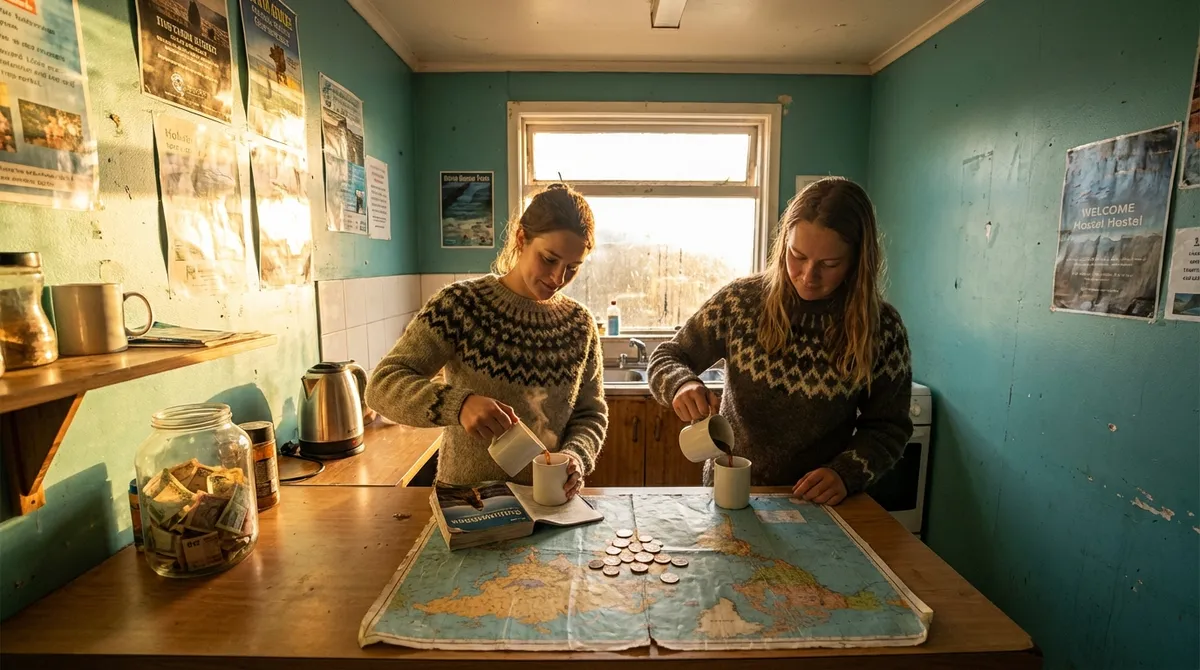
1. Ride the Ripple Effect of One Big Swap
You don’t need a dozen life changes to fund your next adventure; you need one powerful trade-off that ripples through your bank account.
Swap daily rideshares for public transit. Trade three dinners out a week for one epic street-food feast abroad. Skip one big-ticket festival and reroute that cash to a round-trip flight. When you choose a single habit to overhaul, the savings become visible, trackable, and motivating.
Picture this: every time you skip a $10 impulse buy, you mentally tag it as “Lisbon tram fare” or “night market feast in Chiang Mai.” Suddenly, you’re not depriving yourself—you’re pre-paying moments you’ll remember for years. Use:
- A travel-specific savings account or digital “vault”
- A simple rule like: Every unexpected windfall (refunds, small bonuses, cash gifts) goes straight to travel
- A visual tracker on your wall or phone so you can see the future ticket price shrinking
One brave swap, repeated consistently, can turn a vague dream into a booked departure date faster than you think.
2. Turn Transit into the Heart of the Adventure
Budget trips become unforgettable when you stop treating transport as a chore and start treating it as the stage where stories begin.
Night buses, slow trains, shared taxis, ferries that carry locals and livestock alike—this is the circulatory system of a country. When you ride it, you don’t just visit a place; you move with its daily rhythm. Instead of burning cash on high-speed shortcuts, lean into:
- Overnight journeys that double as transport and accommodation
- Regional trains and buses where you hear local languages, see real commutes, and watch landscapes unfold in real time
- Shared rides and minibuses that cram you shoulder-to-shoulder with strangers who become playlist-sharing, snack-swapping friends by the final stop
Pack like you’re honoring the road: a scarf that becomes a blanket, earplugs, a refillable bottle, a downloaded playlist that feels like motion. Those long stretches between cities transform into a kind of moving meditation—the hum of wheels, the flicker of roadside stands, the soft glow of someone else’s hometown rolling by.
The budget choice isn’t the “cheap” option; it’s the immersive one.
3. Stay Where Stories Live, Not Where Brochures Shine
Luxury hotels give you polished surfaces and closed doors. Budget travel throws those doors open—to kitchens, courtyards, balconies, and borrowed bicycles.
Choose stays that come with conversation:
- Hostels with common rooms where itineraries, snacks, and SIM card advice are traded like currency
- Guesthouses and family-run inns where someone’s grandmother insists you try a homemade dish “on the house”
- Farm stays and homestays where you wake to roosters, not lobby music, and learn the rhythm of local life firsthand
These places aren’t just cheaper—they’re richer in human detail. You learn how people actually live, what they cook on ordinary Tuesdays, which festivals matter, which shortcuts save you time and money.
Practical moves to stretch your stay budget:
- Look just outside main tourist zones for lower prices and quieter nights
- Message hosts directly (politely) about weekly or monthly discounts if you’ll stay longer
- Prioritize places with kitchens so you can cook a few meals and redirect those funds to one spectacular splurge dinner
When your “hotel” is a living, breathing piece of someone’s daily life, you don’t just pass through—you participate.
4. Eat Like You Belong There, Not Like You Just Landed
Your food choices can drain your budget—or unlock the soul of a place without breaking it.
Skip the laminated “tourist menu” and follow the subtle signs of authenticity:
- Menus in the local language first, English second
- Crowded tables filled with locals on their lunch break
- Short menus that change with the season, not novels of options
Street food stalls, neighborhood cafés, and market counters offer dishes that cost less and taste more: more spice, more history, more family recipes passed down across generations.
Smart, adventurous eating on a budget:
- Make one meal a “hero meal” each day—maybe a sit-down lunch with a view—then keep breakfast and dinner simple and local
- Shop at markets for fruit, bread, cheese, and snacks; build your own picnic in a park or by the water
- *Ask locals what they order on a tight budget*; they’ll point you to filling, flavorful staples you’d never find on your own
Every time you choose a crowded food stall over a glossy waterfront restaurant, you’re voting for more days on the road, more experiences, and a deeper connection to the culture on your plate.
5. Chase Experiences That Cost Less but Mean More
Budget travel comes alive when you stop paying for access and start paying attention.
The world is overflowing with low-cost or free experiences that feel priceless:
- Sunrise hikes instead of rooftop bars
- Free walking tours (tip what you can) instead of pricey group excursions
- Public beaches instead of private day passes
- Local festivals, outdoor concerts, and neighborhood markets instead of ticketed shows
Build your days around what the planet is already offering: light, landscape, human energy. Let a city reveal itself through its parks, waterfronts, and side streets. Some of your most cherished memories may come from:
- A conversation on a bench with someone twice your age in a language you barely share
- A spontaneous pickup game of football, basketball, volleyball in a neighborhood court
- A local bus ride to a small town where no one expects tourists, and everyone has time to say hello
Keep one or two paid activities that really matter to you—a dive trip, a cooking class, a museum you’ve dreamed about—and let the rest of your itinerary blossom around simple, grounded experiences that don’t demand constant spending.
Conclusion
Budget travel isn’t a compromise; it’s a different way of measuring wealth. Instead of counting thread counts and star ratings, you count sunrises, shared meals, border crossings, and the moments you surprised yourself with your own courage.
When you trade a little comfort for a lot of curiosity, the world stops being an abstract dream and becomes something you’ve walked through, tasted, and felt—bus ticket by bus ticket, conversation by conversation.
Your next journey doesn’t need permission, perfection, or a giant paycheck. It needs a decision, a few bold swaps, and the willingness to say: “This is enough to start.”
Because “someday” isn’t a date on a calendar. It’s whatever day you decide your loose change deserves a larger horizon.
Sources
- U.S. Department of State – Traveler’s Checklist - Practical pre-trip guidance on documents, safety, and planning
- European Commission – Your passenger rights - Overview of air, rail, bus, and ferry passenger rights in Europe, useful for budget travelers using regional transport
- Hostelling International - Information on hostel culture, benefits of shared accommodation, and budget-friendly stays worldwide
- Rick Steves Europe – Money-Saving Tips - Detailed advice on stretching travel budgets, handling money abroad, and avoiding common spending traps
- World Food Programme – Global Food Prices Database - Insight into relative food costs in different countries, helpful for understanding and planning food budgets while traveling