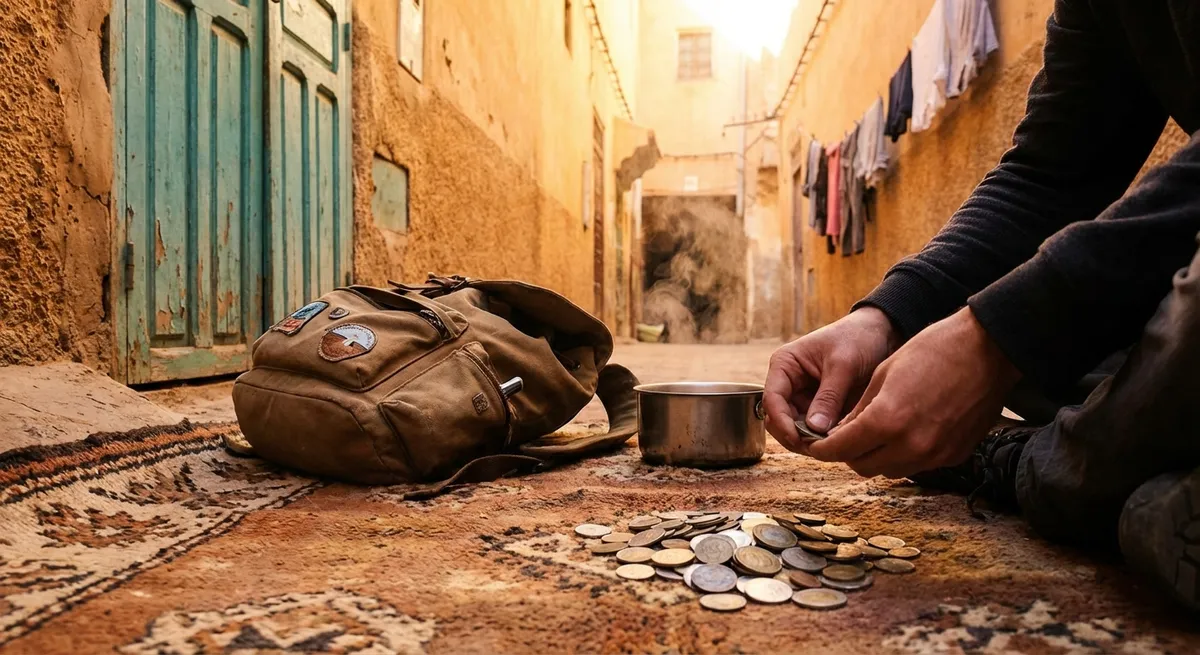
This is about trading polished itineraries for real stories, shiny resorts for starlit rooftops, and rushed sightseeing for slow, soul-deep exploration. Let’s turn “maybe one day” into “I’m already on my way.”
1. Sleep Where Stories Happen, Not Where Logos Shine
Hotels are fine—but budget travelers know the real magic often lives just off the glossy brochure.
Hostels, guesthouses, homestays, and locally run inns pull you straight into the heartbeat of a place. In a hostel common room, you might meet a Brazilian chef trading recipes for stories, a solo cyclist plotting a border crossing, or a local musician who knows where the real music happens after midnight. Shared kitchens and communal tables turn strangers into trail buddies and guides into friends.
Homestays and small guesthouses can be cheaper than big-name hotels while offering something money alone can’t buy: insider access. Hosts may walk you to their favorite breakfast stall, teach you how to order like a local, or let you in on unmarked hiking paths and overlooked viewpoints.
Look for places with strong reviews mentioning cleanliness, safety, and community vibes—those are the fertile grounds where great travel friendships and unexpected side quests grow. Spend less on the room, invest more in the stories you’ll tell from it.
2. Let Local Food Be Your Cheapest First-Class Ticket
A tight budget doesn’t mean surviving on instant noodles and airport snacks. In many countries, the most unforgettable meals live in markets, street stalls, and family-run cafes that cost less than a chain coffee.
Wake early and walk to the nearest market. Follow the lines, the sizzling sounds, and the steam. Sit at tiny plastic tables under flickering lights, where menus are handwritten or spoken. Point, smile, ask what’s popular, and be open to the unknown. That bowl of noodles, plate of rice and beans, fresh empanada, or spicy soup might cost less than a soda back home—and stay with you infinitely longer.
Carry a reusable water bottle, pick fruits from local vendors, and learn the “secret favorites” of people who live there: the corner stall that only opens after dark, the bakery that sells out by 9 a.m., the no-menu joint where everything tastes like a family recipe.
Budget travel isn’t about eating less; it’s about eating closer to the ground—where flavors are bold, prices are low, and every bite feels like a new page in the story.
3. Trade Distance for Depth: Stay Longer, Move Slower
Fast travel is expensive. Slow travel is where the magic (and savings) hide.
Instead of racing through four countries in ten days, plant yourself in one region for a week or more. Weekly rentals, long-stay hostel discounts, and rideshares become more accessible. You learn bus routes instead of hailing taxis. You find the affordable laundromat, the free viewpoint, the cheap breakfast place where the staff knows your face by day three.
Moving slowly lets you sync with local rhythms: early-morning market runs, evening park gatherings, the exact moment the city exhale happens at sunset. You’ll catch festivals that don’t show up in guidebooks, pop-up art shows, small-town football matches, and community events pinned to a worn bulletin board by the bakery door.
When you stop sprinting from sight to sight, you stop paying “tourist speed” prices. Instead of collecting passport stamps, you collect favorite corners, familiar smells, and a sense of belonging that you simply cannot buy.
4. Hunt Down Free Adventures Hiding in Plain Sight
Not every epic day needs a ticket. Some of the world’s best experiences cost nothing but curiosity and a pair of worn-in shoes.
Walk. Keep walking. Cross bridges and wander side streets. Climb public stairways, follow riverside paths, explore neighborhoods that weren’t in your original plan. Many cities are open-air museums if you let them be—murals, street performers, markets, and historic districts are often yours to roam for free.
Look for city-run museums with free entry days, public parks with sweeping views, and cultural institutions offering donation-based events. In nature, trailheads, riverbanks, and coastal paths are often completely free—and deliver the kind of memories luxury tours only imitate.
Before you go, search for local events: open mics, free concerts, public festivals, local sports matches. When you arrive, check community boards, ask hostel staff or baristas, and listen for music in the distance. Free doesn’t mean basic. Free can mean being right in the pulse of a place, paying only with your time, presence, and openness.
5. Turn Your Skills into Your Silent Travel Partner
When your budget is tight, your skills become your secret currency.
If you’re a photographer, offer to snap portraits for guesthouses, hostels, or small cafes in exchange for a night’s stay, a meal, or a coffee tab. If you speak more than one language, look for casual language exchanges where friendships and opportunities are born across tables scattered with notebooks and beers. Designers, writers, coders, yoga instructors, and musicians can sometimes trade services for discounts, short gigs, or deeper connections.
Volunteer programs, work exchanges, and cultural stays can reduce accommodation and food costs while pulling you deep into local life. Just research carefully, choose ethical programs, and make sure expectations are clear on both sides. You’re not just trying to cut costs—you’re building a life on the road that feels grounded, generous, and shared.
Think of your abilities as your “bonus backpack”—invisible, weightless, but incredibly powerful. Money might get you to the destination. Your skills help you stay longer, connect deeper, and leave a trail of goodwill behind you.
Conclusion
Budget travel isn’t a lesser version of “real” travel; it’s often the raw, unfiltered, unforgettable version.
When you choose shared hostels over polished lobbies, street food over chain restaurants, long stays over frantic hops, free adventures over packaged tours, and skill swaps over one-way transactions—you’re not just saving money. You’re stepping into a different way of being in the world.
The question isn’t “Can I afford to go?”
It’s “Am I willing to trade comfort for curiosity, schedule for serendipity, and status for story?”
If the answer is yes—even a hesitant yes—then your next trip might already be closer than it looks on the map.
Sources
- U.S. Department of State – Travel Advisory & Safety Information – Essential guidance on staying safe and informed while traveling abroad
- Lonely Planet – Budget Travel Tips – Practical advice on saving money on transport, food, and accommodation
- Hostelling International – Information on hostels worldwide, community-focused stays, and budget-friendly accommodation options
- Rick Steves – Money-Saving Tips for Europe – Detailed breakdown of strategies to cut costs on the road, especially in Europe
- National Park Service (NPS) – Official information about U.S. national parks, including free-entry days and low-cost outdoor experiences