Chase the Edges of the Day
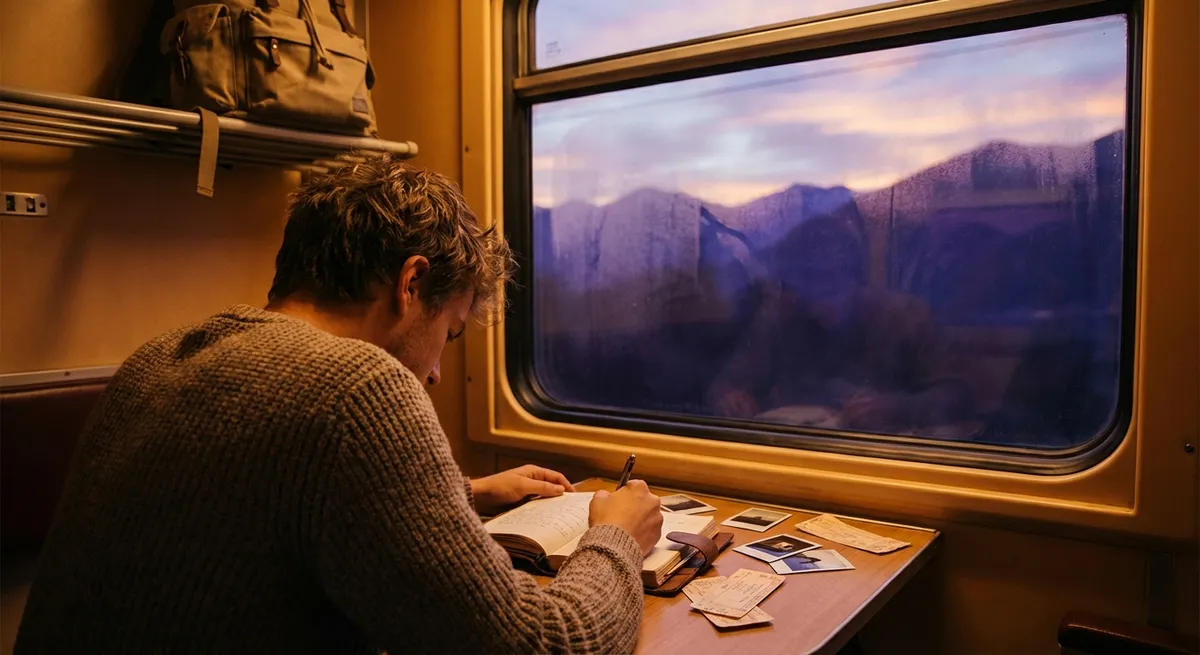
Some of the most electric travel moments happen when the world is changing light—dawn and dusk, when a city exhales and the landscape softens.
Wake before the city does and step into streets that belong to bakers, street sweepers, and early commuters. You’ll see markets unfold from empty pavement into full color, smell fresh bread before the crowds arrive, and capture photos washed in soft, forgiving light. In the evening, aim to be somewhere that feels alive but not frantic: a rooftop bar with a view of the skyline, a pier where locals gather, the steps of a cathedral as the bells ring and the sky bruises purple.
Planning your days around these edges does more than improve your photos. It stretches your sense of time, makes days feel longer and fuller, and layers your memories: the same square at sunrise and sunset becomes two entirely different worlds. Pack a light jacket, an offline map, and a simple routine—maybe a sunrise walk and a sunset ritual—to anchor each day. The adventures in between will feel richer because they’re framed by these quiet, glowing bookends.
Master the Art of the “Intentional Detour”
Most travelers get lost once in a while. The trick is turning that from a frustration into a deliberate strategy. An intentional detour isn’t wandering aimlessly; it’s giving yourself permission to stray a few streets off the obvious path and see what the guidebooks missed.
Start with a simple anchor: a major landmark, a central plaza, or a metro stop. From there, step away from the main artery. Follow the sound of live music, the smell of spices, or a line of locals waiting at a food stall. Duck down side streets with laundry overhead and tiny shops with hand-painted signs. These are the places where you’ll find family-run restaurants with no English menu, pocket-sized parks, and glimpses of everyday life that never make it to Instagram.
To keep this adventurous but safe, set boundaries: explore in daylight, download offline maps, and drop a pin on your starting point. Tell yourself you’ll walk “just ten minutes off-route” before looping back. Often, that’s all it takes to stumble into the bakery that ruins you for all future croissants or the neighborhood café where the barista draws you a map of their favorite spots on a napkin. Those detours become the chapters you remember long after the big attractions blur together.
Pack a Signature Ritual, Not Just a Suitcase
Clothes, chargers, toiletries—they’re necessary, but they don’t shape how a trip feels. A simple travel ritual, repeated in every city, can. Think of it as your portable tradition, a small act that turns anonymous places into personal territory.
Maybe you start every arrival with a “first walk” loop: drop your bag, pick a direction, and walk 20 minutes without headphones, just observing. Maybe it’s a “first taste” rule: you always try the local version of coffee or tea within your first hour. Or you keep a tiny travel notebook and sketch (badly is fine) one thing you saw that day—a rooftop, a market stall, a stranger’s shoes on the subway.
These tiny rituals give your trip a rhythm that’s uniquely yours. They also sharpen your attention. Suddenly, you’re not just passing through; you’re collecting moments: the barista who taught you how to pronounce the local drink, the shopkeeper who wrote a word in their alphabet in your notebook, the view you always sketched from a park bench. Over time, that ritual becomes a thread stitching all your journeys together into one long, evolving story.
Travel With a “Yes-Within-Reason” Mindset
The most memorable travel moments often start with an unexpected invitation: “Come join us,” “Want to try this?” or “We’re heading there now—want to tag along?” You don’t have to say yes to everything (and you shouldn’t), but cultivating a “yes-within-reason” mindset dramatically increases your odds of stumbling into magic.
Set your boundaries before you go: what you’ll never do, what you’ll consider, and what you’re excited to try. Then, when an opportunity appears—a late-night food crawl with hostel friends, a spontaneous train trip to a nearby town, an impromptu cooking class in someone’s backyard—you’re ready to evaluate quickly: Is it safe? Does it feel aligned with your values? Will future-you be glad you did this?
Balance spontaneity with smart precautions: share your location with a trusted friend, keep a copy of your documents safe, and keep an eye on your instincts. If something feels off, a firm “no, thanks” is powerful. But where it feels right, say yes more often than you automatically would at home. That dance in the town square, that local festival, that tiny gallery opening you almost skipped—these are the experiences that crack your world open just a little wider.
Design Your Return Before You Even Leave
Most people plan how to get to a place, not how they’ll return home from it. Yet what you carry back—habits, ideas, flavors, stories—can be the most life-changing part of travel.
As you move through your trip, notice what feels like an upgrade to your life, not just a vacation perk. Maybe it’s slower breakfasts, evening walks, less screen time, or the way locals gather in public spaces instead of staying home. Jot these down in your notes app or journal as “souvenirs to keep,” not just observations. Try one out before you leave: cook a local dish in your hostel kitchen, take a nightly stroll, or schedule a “no-plan” morning just to see where you drift.
On your last night, choose one or two you promise to bring back. Maybe it’s “phone-free dinners twice a week,” “sunset walks whenever possible,” or “visiting my own city’s markets like a traveler once a month.” Treat your return like the next chapter, not the end of the story. When the airport blues hit, you’ll have something to look forward to: a life at home that’s been quietly rewired by everything you’ve just lived.
Conclusion
Travel doesn’t become unforgettable because you checked off every sight or executed the perfect itinerary. It becomes unforgettable because you moved through it awake—chasing the edges of the day, stepping off the main roads, folding in small rituals, saying yes to the right invitations, and letting each place leave fingerprints on your life.
You don’t need more gear, more money, or more time to travel this way. You just need a slightly different lens: one that treats every journey as a story in progress, every moment as raw material. Pack your bag, pick your direction, and meet your next trip halfway. The world is already out there, humming and waiting; all that’s left is for you to step into the frame.
Sources
- U.S. Department of State – Traveler’s Checklist - Practical guidance on preparation, safety, and documentation for international travel
- Centers for Disease Control and Prevention – Travelers’ Health - Up-to-date health notices, vaccine recommendations, and destination-specific advice
- UNWTO (World Tourism Organization) – Tourism and Travel Insights - Research and data on global tourism trends and traveler behavior
- BBC Travel – Travel Features and Guides - Narrative-driven travel stories and destination insights that inspire thoughtful exploration
- Lonely Planet – Travel Tips & Articles - Expert tips, cultural context, and on-the-ground advice for travelers around the world