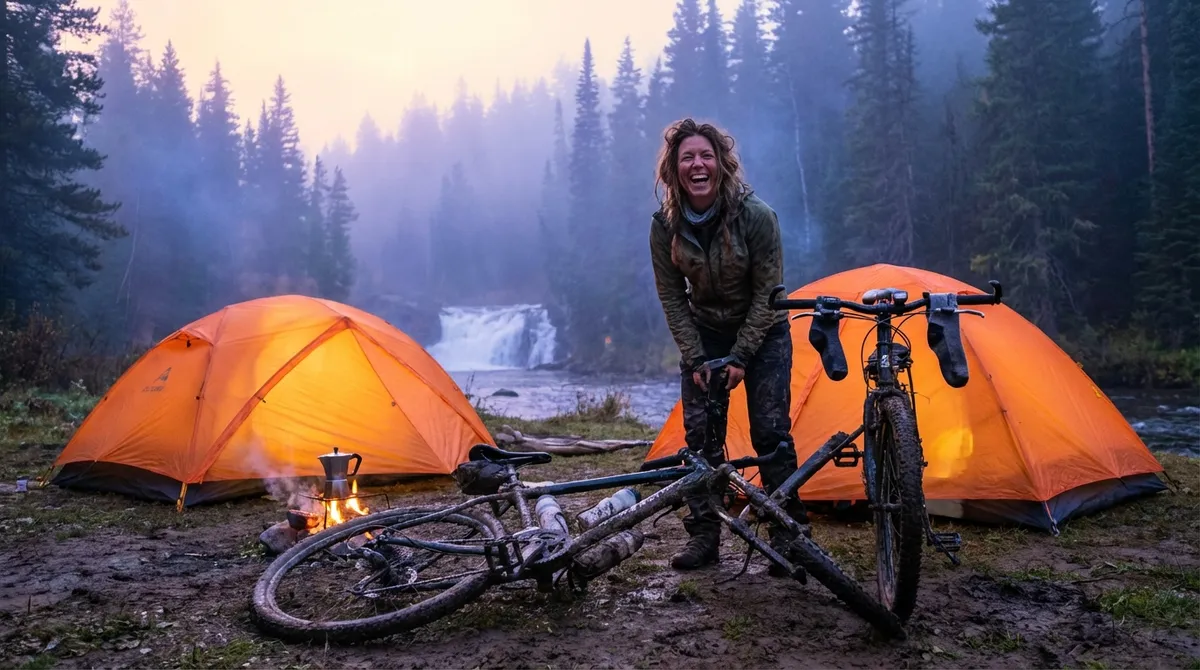
This is where adventure really begins: not when everything goes right, but when you choose curiosity over control.
1. When the Train Leaves Without You: Turning Delays into Discoveries
You sprint through the station, the doors slide shut, and your train glides away without you. The old you might panic. The adventurous you takes a breath and looks around.
A missed connection is often a golden window into the “in-between” places travelers never plan for. Instead of sinking into frustration, walk out of the station and explore the immediate neighborhood. Duck into a small café where no one’s trying to hustle tourists. Let the barista recommend a pastry you can’t pronounce. Wander the side streets that don’t appear in glossy destination guides.
Practical moves: keep a small “delay kit” with a charged power bank, offline maps, a refillable water bottle, and a lightweight scarf or layer. These basics mean you can roam comfortably while you wait for the next bus, train, or car-share. Check local transit apps or boards for alternative routes—often a slower, scenic local line or bus will show you villages and landscapes that the express trains roar past.
The mindset shift is everything: instead of “I’m stuck,” try “I’ve just been gifted extra time in a place I didn’t even know I’d see.” That’s how ordinary delays become stories you’ll retell with a grin.
2. Lost on Purpose: Letting Yourself Wander Beyond the Obvious
GPS has made it nearly impossible to get truly lost—but you can still choose to wander. Some of the most vivid travel memories are born when you ditch the straight line between Point A and Point B and follow whatever catches your eye: a distant bell, the smell of bread, the echo of music.
In a new city, pick a safe neighborhood, drop a pin at your accommodation, and then put your phone away. Give yourself a couple of hours to walk with no specific goal. Follow where the light looks interesting or where locals seem to be heading. Sit in a park and watch how people move, what they eat, how they greet each other. You’re not “killing time”—you’re learning a place from the inside out.
Practical safety: tell someone roughly where you’re wandering, keep a copy of your hotel address in the local language, and trust your instincts. If a street feels off, turn around. You’re not proving anything by pushing your comfort beyond what feels wise.
The reward? Moments that don’t exist on social media: a grandmother watering plants on a balcony who waves back, kids playing football in a back alley, a tiny bookshop that smells like dust and possibility. You return with fewer “top ten sights” and more stories that actually feel like yours.
3. Weather as a Co-Author: Saying Yes When the Sky Changes the Plan
You plan for clear skies and gentle breezes; the forecast laughs and hands you rain, fog, wind, or searing heat. Most travelers see bad weather as a problem. Adventurous travelers treat it like a creative partner.
When the clouds roll in, outdoor viewpoints may be disappointing—but museums, local theaters, libraries, and cafés suddenly shine. Rainy days are ideal for lingering in indoor spaces where locals gather, listening to conversations, reading community notice boards, or joining a class or performance you’d never have sought out on a sunny day.
A sudden storm on a hiking trail can be dangerous if you’re unprepared, so gear matters: quick-dry layers, a waterproof shell, and decent footwear transform “miserable” into “invigorating.” In some places, mist and fog turn ordinary landscapes into something cinematic and otherworldly. Just check local guidelines and weather alerts; sometimes the bravest choice is postponing a summit and exploring lower trails or nearby villages instead.
Let the weather ask you questions: What can you see in this place that only appears in the rain? How do people here live with snow, heat, winds, monsoon? When you let the sky set the tempo, you start to travel with the place, not against it.
4. Strangers as Guides: Opening the Door to Unscripted Encounters
The most powerful travel memories often wear a human face: the driver who points out their favorite lookout, the street vendor who insists you try something “on the house,” the hostel roommate who invites you on a last-minute dawn hike.
Adventure grows in the spaces where you allow conversation. Ask small, genuine questions: “What’s your favorite place in this city that tourists never see?” or “If I only have one more meal here, what should I eat?” Listen more than you speak. Be open but not naive: meet in public places, keep your belongings secure, and trust your instincts about when to stay and when to walk away.
Technology can help you connect more intentionally: local experience platforms, free walking tours, language-exchange meetups, and community events listed on bulletin boards or city websites offer low-barrier ways to meet people without feeling exposed. Learning even a handful of words in the local language—hello, thank you, please, excuse me—signals respect and often sparks warmer interactions.
You’re not collecting people like souvenirs; you’re letting your journey be shaped by real lives. Years from now, you’re less likely to remember exactly which cathedral you saw—but you will remember the family that invited you to share tea in their courtyard while the sun went down.
5. Saying “Yes” to the Small Dare: Everyday Risks That Wake You Up
Not every adventure is a cliff, a glacier, or a jungle. Often, the meaningful risks are smaller and closer: biking in a new city after years of not riding, taking a cold swim at sunrise when your bed feels too cozy, signing up for a local dance class where you know you’ll be awkward.
These “micro-dares” are powerful because they challenge the story you quietly tell yourself about who you are. You discover you can handle unfamiliar food, stumble through a new language, navigate a market, or find your way back after taking the “long way around.” Each tiny victory raises your baseline courage—not just on the road, but back home.
To build this into your travels, create a simple rule: every day, do one thing that makes you just a bit nervous (but still feels safe and respectful). That might mean trying street food that locals line up for, renting a kayak for the first time, or joining a sunrise yoga class on a rooftop.
The key is intention. You’re not chasing adrenaline for its own sake; you’re collecting evidence that you are more capable, more adaptable, and more alive than you thought.
Conclusion
Perfect plans make polished photos. Imperfect journeys make unforgettable lives.
When the train leaves without you, when the sky changes its mood, when a stranger suggests something surprising, you stand at a quiet crossroads. You can cling to the script—or you can trust the detour and step into the unscripted version of your adventure.
The world doesn’t just want you to see it; it wants you to engage with it, to improvise with it, to grow with it. Pack your common sense, your curiosity, and your willingness to pivot. The next time your plans fall apart, smile a little.
That’s where the real story usually begins.
Sources
- U.S. Department of State – Traveler’s Checklist - Guidance on preparation, safety, and contingency planning for international travel
- Centers for Disease Control and Prevention – Travelers’ Health - Up-to-date health, vaccination, and destination-specific advice for travelers
- UN World Tourism Organization (UNWTO) – Tourism and Culture - Insights on connecting with local culture and communities responsibly
- National Park Service – Hiking Safety - Practical tips for staying safe and flexible in changing outdoor conditions
- BBC Travel – The Art of Getting Lost - A feature exploring how intentional wandering and “getting lost” can deepen travel experiences