As brands race to prove you don’t need premium price tags for premium joy, savvy travelers are taking notes. Cheap doesn’t have to mean boring, flimsy, or forgettable—whether it’s a toy or a ticket. With a bit of creativity and the right hacks, you can build an epic, story‑packed adventure on the kind of budget that usually buys you a night out at home.
Below are five ways to steal the spirit of today’s “toys under $20” trend and use it to design unforgettable budget trips—no trust fund, no sponsorships, just clever moves and a taste for adventure.
Turn the “Under $20” Challenge Into a Daily Travel Game
That viral under‑$20 toy list is basically a challenge to rethink value: how much magic can you squeeze out of a small price tag? Take that same energy on the road and set a daily $20 adventure challenge wherever you go.
Pick a city—Lisbon, Bangkok, Mexico City, Kraków—and ask: What’s the most I can experience here today for $20 or less? Maybe in Lisbon it’s a tram ride up steep hills, a pastel de nata in a neighborhood bakery, and sunset at Miradouro da Senhora do Monte. In Bangkok, it might be a sizzling roadside pad thai, a river ferry ride, and a night market feast under neon lights. The point isn’t deprivation; it’s playful constraints that force you to look beyond tourist traps and hunt for local treasures.
Document it like a social media challenge: one post per day, one under‑$20 story. You’ll start to notice the tiny, joyful details—grandmas selling handmade sweets, buskers on city corners, kids playing soccer in back alleys—that price tags can’t capture. Just like that budget toy that turns into the life of the party, your cheapest days on the road often become your favorite memories.
Swap Pricey Souvenirs for Pocket‑Sized “Toys” That Hack Your Trip
If parents are ditching overpriced branded toys for clever under‑$20 picks, travelers can do the same with souvenirs and gear. Instead of fragile keepsakes that disappear into a drawer, look for small, playful items that actively level up your travel experience.
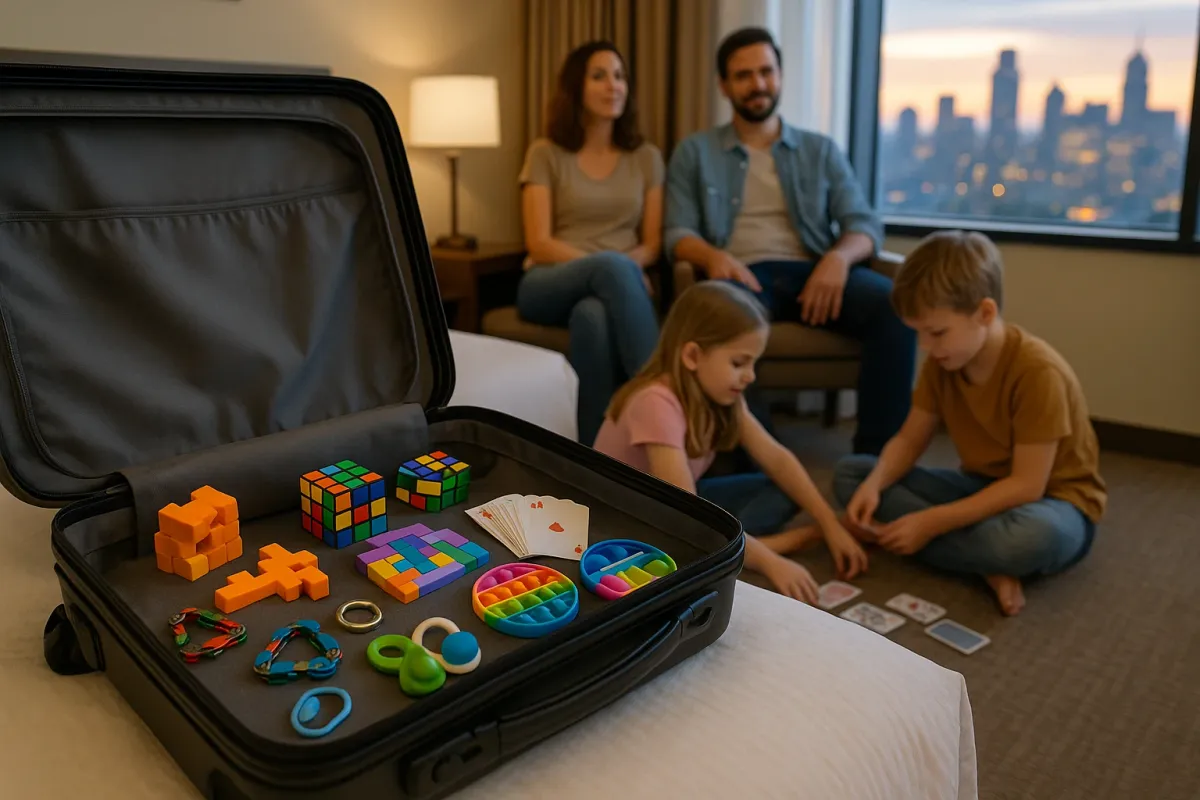
Think of them as your “travel toy box”:
- A simple card game or mini travel board game: perfect for hostel common rooms, train rides, and language‑barrier icebreakers. You spend a few dollars and end up with friends from four countries.
- A compact sketchbook or watercolor set: turns long waits and quiet mornings into creative sessions. You’re not just seeing a city; you’re capturing it.
- A pocket‑sized tripod or phone stand: under $20, but suddenly your solo travel photos look like you’re traveling with a full‑time photographer.
- A local kids’ toy from a street stall: a spinning top in Oaxaca, a tiny kite in Vietnam, a simple puzzle in Turkey. Learn how locals play, and you’ll see a country from the ground up, not just from museum steps.
Like the trending toys, the trick is this: small, cheap, and insanely useful beats big and expensive every time. When every item in your backpack earns its place by sparking connection or creativity, budget travel turns into a rolling playground.
Use “Kid Logic” to Find the Cheapest, Most Joyful Experiences
The reason those under‑$20 toy posts go viral? Kids don’t care about price tags; they care about fun. Hand them a luxury robot and a cardboard box, and they’ll usually choose the box. That “kid logic” is the secret engine of budget travel.
Instead of asking, “What’s the top ‘must‑see’ attraction?” try asking, “What would a curious kid do in this city for free?” Suddenly your itinerary shifts:
- Climbing public staircases just to see where they lead.
- Riding the cheapest form of transit to its last stop and exploring from there.
- Turning a local park into your “office” for the afternoon—reading, people‑watching, journaling, learning phrases from strangers.
- Exploring supermarkets and markets like theme parks: strange snacks, local sodas, weird candies you’ve never heard of.
This is exactly the mindset driving the under‑$20 toy craze: forget the status, chase the fun. When you travel with the curiosity of a kid, you’ll find that the most joyful experiences are often free or nearly free—and they’re usually the ones you’ll still be talking about years later.
Hack Entertainment Costs With a Backpack Full of “Micro Fun”
Parents buy value toys because they know the truth: boredom is expensive. The same goes for travel. When you hit that afternoon slump or rainy‑day mood, that’s when you’re most likely to overspend on something forgettable—another pricey cocktail, a random excursion you don’t really care about, a touristy experience you booked just because it was there.
The solution is to pack micro fun—tiny, low‑cost things that explode into hours of entertainment:
- A deck of cards becomes instant language practice with locals at a café.
- A cheap action camera or disposable film camera transforms a city stroll into a photo mission: neon signs in Tokyo, balcony doors in Barcelona, old bicycles in Hanoi.
- A pocket journal with daily prompts (“find three blues,” “photograph three doors,” “ask one stranger about their city”) keeps your senses switched on without spending more money.
- A downloaded playlist and offline map turn a simple walk into a full‑on cinematic journey.
This mimics the logic in that under‑$20 toy trend: one good, inexpensive item can unlock days of engagement. When your backpack holds boredom busters, you’re less tempted to throw cash at every lull in your day—and you travel deeper instead of just more expensively.
Build a Trip Around One Big Free Thing (Then Layer Cheap Thrills Around It)
Look closely at that “toys under $20” list and you’ll notice a pattern: each pick is packaged like a “big moment” disguised in a small price. You can do the same with your entire trip by anchoring your journey to one epic yet free (or nearly free) experience, then layering low‑cost fun around it.
Examples:
- Nature anchors: Cherry blossoms in Seoul, a free hiking trail in the Dolomites, a public beach in Croatia, a sunrise viewpoint in Bali. These are show‑stoppers that cost less than a coffee.
- Cultural anchors: Free museum days in Paris or London, open‑air concerts in Berlin, street processions during local festivals, free walking tours powered by tips.
- Route anchors: A scenic local train with dirt‑cheap tickets, a bike route along a river, or a historic neighborhood you can wander for hours without spending more than you want.
Design your budget trip like this:
- Pick your anchor – one big, free or cheap experience that excites you right now.
- Add three under‑$20 experiences around it – a local street food feast, a budget boat ride, a small museum or viewpoint.
- Fill the gaps with no‑cost wandering and micro fun – your games, journal prompts, photo missions, people‑watching.
The result feels rich and cinematic, but your bank account barely notices. Just like those headline‑grabbing budget toys, the trick is smart design, not big spending.
Conclusion
The buzz around “toys under $20 that look way more expensive than they are” isn’t just a parenting trend—it’s a mirror of something bigger happening right now. People are tired of being told that joy, wonder, and connection are luxury items. Whether it’s a kid with a cleverly made toy or a traveler with a beat‑up backpack, we’re all chasing the same thing: maximum adventure for minimum cost.
You don’t need premium hotels or VIP passes to live a travel life worth posting about. You need a playful mindset, a willingness to see constraints as a game, and a few well‑chosen “toys” that expand your world instead of your credit card bill.
Pack light. Spend small. Dream big. The most unforgettable stories rarely come with a high price tag—they come from the moment you realize that the world is still yours to explore, even on a shoestring.