Unlock a City With One Obsession
Instead of trying to “see it all,” choose one obsession to guide your entire visit—coffee, street art, bookstores, live music, night markets, sunrise spots, you name it.
Let that single theme become your compass. Ask baristas where they hang out after work. Follow murals into neighborhoods you’d never have found on a top‑10 list. Let a tiny independent bookshop lead you to a local poetry night or an underground gig.
This focus does something powerful: it slows you down and pulls you behind the scenes. Suddenly, you’re not just a visitor checking off landmarks—you’re part of a loose, living network of people tied together by the thing you love.
Practical move: Before you go, search for “[your obsession] + local blog + city name” and save 5–10 spots on your map. Once you arrive, talk to one person at each place and ask, “If I only had time for one more spot like this, where should I go?” Follow that breadcrumb trail and see where it leads.
Turn Transit Days Into Mini Adventures, Not Lost Time
One of the biggest energy drains in travel is the “dead zone” of transit days—hours in airports, on buses, in train stations where you feel like you’re not really anywhere. Flip that script and treat movement days as rolling adventures.
Turn long layovers into micro‑explorations by choosing airports with easy city access and storing your bags in lockers. On trains, skip the headphones for a while and sit near the window or the dining car—these are zones where conversations spark naturally. Even on a simple bus ride, noticing small details (roadside shrines, schoolyards, food stalls) turns the journey into field research on how a place actually lives.
Practical move: Before booking, check if your route passes through any city with a convenient airport‑to‑downtown link (like trains or metro). Plan your layover on purpose, and treat it like a bonus destination rather than a delay.
Learn the “Micro Phrases” Locals Actually Use
You don’t need to be fluent to feel connected—but you do need more than “hello” and “thank you.” The magic is in the “micro phrases” people use constantly: little expressions, polite fillers, and everyday questions that make you feel less like a tourist and more like a temporary local.
Think things like: “Is this okay?” “What do you recommend?” “This is delicious!” “I’m just looking, thank you.” “Is there a local favorite?” These tiny bridges turn basic transactions into real interactions. And when you make the effort, people often respond with extra warmth, tips, and shortcuts you’d never find online.
Practical move: Use language apps or YouTube to learn 15–20 ultra‑practical phrases locals use all the time. Write them in your notes app with phonetic spellings. Practice them with street vendors, market sellers, and café staff—you’ll get free language lessons and often, a deeper welcome.
Design One “Stretch Moment” for Every Trip
Every journey deserves at least one moment that nudges you just outside your comfort zone—the kind you’ll replay for years. Not necessarily extreme sports or wild risk, but something that stretches your identity a little.
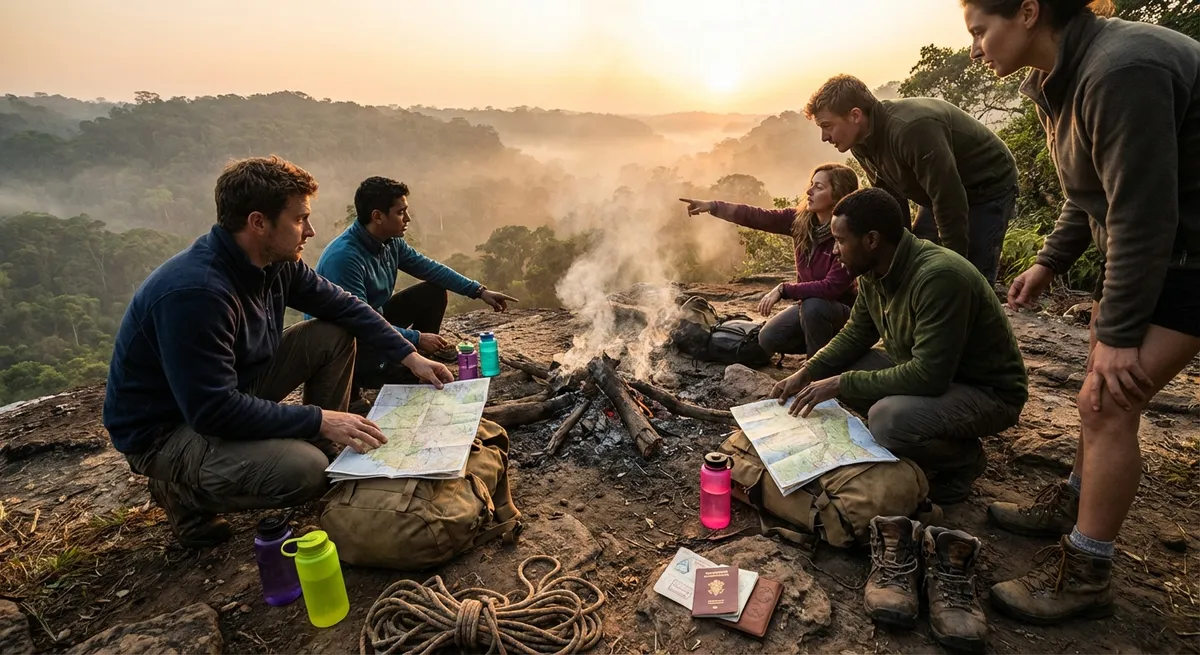
Maybe it’s joining a dawn hike with strangers to watch the first light spill over a new landscape. Maybe it’s taking a cooking class in a stranger’s home, signing up for a dance lesson even if you have two left feet, or renting a bike in a city where you never would at home. That single stretch moment often becomes the emotional anchor of your entire trip.
Practical move: Before you go, write down: “If I were 10% braver on this trip, I would ______.” Put that in your phone. Once you’re on the ground, schedule that thing early. The confidence you gain from it will ripple through the rest of your travels.
Travel With “Soft Plans and Hard Boundaries”
The most unforgettable travel stories rarely follow a rigid script—but complete chaos can burn you out. The sweet spot is moving with “soft plans and hard boundaries.”
Soft plans mean having a loose daily shape—one or two key intentions (like a neighborhood to explore or a specific experience)—and giving everything else permission to unfold. Hard boundaries mean deciding in advance what you won’t compromise on: your budget, your safety rules, your non‑negotiable rest time, maybe one sacred solo hour each day.
This combo keeps your trip adventurous and sustainable. You’re flexible enough to say yes to spontaneous invites, but rooted enough to say no when something clashes with your values, your limits, or your gut feeling. That’s how you travel not just further, but longer.
Practical move: On your first night, outline three things: (1) my daily budget, (2) three red‑flag situations I’ll always walk away from, and (3) one personal ritual I’ll protect (a morning walk, journaling, a quiet coffee). Check in with yourself every few days and adjust.
Conclusion
The world doesn’t only belong to people with unlimited time or money—it belongs to the curious, the courageous, and the ones willing to travel with intention instead of autopilot. When you explore with a personal obsession, reclaim transit time as adventure, speak a few honest local phrases, design stretch moments, and move with soft plans and hard boundaries, every trip becomes more than a vacation.
It becomes proof that you’re capable of stepping into the unknown, again and again—and finding yourself a little more alive each time.
Sources
- U.S. Department of State – Traveler’s Checklist - Official guidance on preparation, safety, and documents before international travel
- Centers for Disease Control and Prevention – Travel Health - Up-to-date health, vaccination, and destination-specific medical advice for travelers
- Lonely Planet – Travel Tips and Articles - Practical on-the-ground insights, cultural tips, and destination-specific advice
- BBC Travel – Features and Inspiration - In-depth stories and perspectives that highlight local culture, experiences, and responsible travel
- Duolingo – Language Learning - Popular platform for learning essential phrases in local languages before and during travel