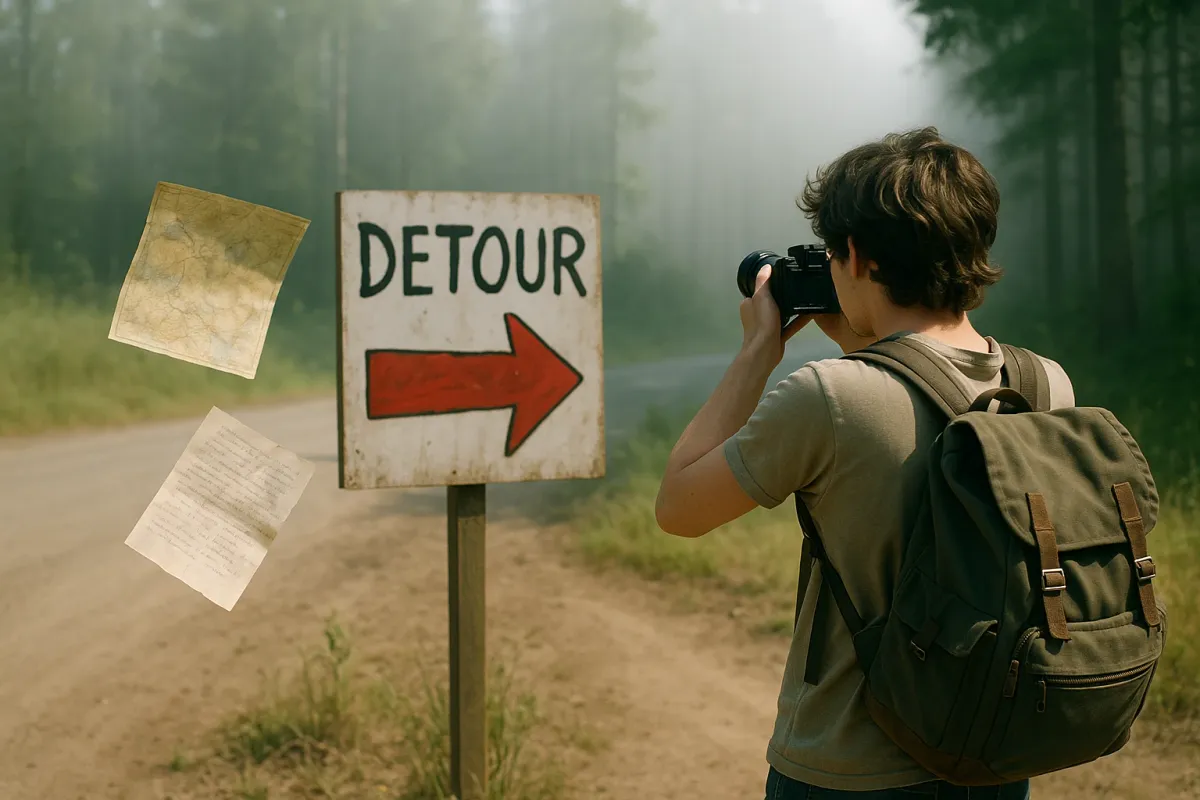
But those signs aren’t just good for laughs—they’re incredible travel tools if you know how to read them like a local.
Inspired by the trending “funniest signs” threads lighting up feeds right now, this guide shows you how to use quirky signs, chalkboard jokes, and strange notices as secret markers for better food, safer adventures, and deeper stories on the road.
Use Funny Signs As Your Off‑Beat City Map
When a sign is witty enough to go viral, that’s a clue: somebody here cares about attention, detail, and atmosphere. In many cities, the best independent cafés, hostels, and bars pour their soul into the writing on their walls and boards. When you spot a chalkboard that reads more like stand‑up comedy than a menu, stop. That joke is a breadcrumb leading you into a place with personality. Step inside, ask who wrote it, and you’ve just opened a door to local conversation instead of another forgettable chain. Make it a micro‑quest: one day in your trip where you navigate purely by the most intriguing signs you see—no Google Maps, just curiosity. You’ll stitch together a walkable route of creative neighborhoods, street art, and tiny businesses that rarely appear in glossy travel guides.
Hunt For “Lost In Translation” Gems To Unlock Local Culture
Those hilariously mistranslated signs everyone is posting right now? They’re more than comic relief—they’re cultural Rosetta Stones. When you see a sign that’s almost right in English but not quite (“Please don’t feed your hands to the animals”), pause and look at the original language beneath it. What were they really trying to say? Snap a photo, then ask a local, your host, or a server to explain the meaning behind the phrase. Often, you’ll uncover idioms, inside jokes, or real fears—like how seriously a community takes wildlife, noise, or modesty. Treat these “broken English” signs not as something to mock, but as an invitation to ask questions and learn. When you share the picture online, include the real story behind it. You’re not just posting a meme; you’re amplifying a culture’s quirks with respect and context.
Let Warning Signs Shape Safer, Wilder Adventures
The viral roundup of “most dangerous predators” in nature has everyone talking about what’s lurking in the wild. Out on the road, warning signs are your real‑time conversation with that wilderness. When you see a serious notice—bears active, rip currents present, cliffs unstable—consider it a live update, not a suggestion. Instead of treating warnings as obstacles killing your vibe, use them to redesign your adventure. Maybe you skip a crowded viewpoint and hike to a lesser‑known ridge that’s safer today. Maybe you trade a risky swim spot for kayaking with a guide who actually knows those waters. Take a quick photo of the sign, note the date, and build your plan around current conditions. That’s how you go home with stories about close encounters with nature, not close calls with emergency services.
Collect Sign Photos As A Living Travel Journal
Those viral “50 best signs” threads are popular for a reason: a single sign can capture the soul of a place in one frame. Instead of buying yet another keychain, make the signs you encounter your personal souvenir collection. Create a dedicated album (or hashtag) for every trip—#SeoulSigns2025, #AndesNoticeboardNotes—then snap any sign that makes you smile, think, or raise an eyebrow. Later, you’ll remember not just the street, but the smell of the bakery behind the board, the rain starting to fall, the stranger who laughed with you. For each picture, jot a line in your notes: where you were, what you were doing, and how that sign changed your direction, even a little. When you post them, arrange them as a mini‑story: the warning that sent you down an alley, the joke that led you to your favorite meal, the hand‑painted detour sign that revealed an entire hidden neighborhood.
Follow The Funniest Sign To Your Next Local Friend
The internet loves funny signs—but behind every one is an actual human with a marker, a paintbrush, or a budget and a wild idea. Treat that as an open invitation to connect. If a café board makes you laugh out loud, walk in and tell the barista. Ask who writes them and how they come up with ideas. If a hostel has a cheeky notice about leaving your socks out, ask the staff about the story that prompted it. On buses and trains, comment on the odd announcement wording to your seatmate and see where the conversation goes. These tiny openings are how you turn a solo trip into a series of unscripted encounters. The next time you scroll a viral thread of hilarious travel signs, remember: every one of those images started with a traveler willing to stop, look up, engage, and capture a micro‑moment. You can be that traveler, starting today.
Conclusion
The world is quietly talking to you from every wall, lamppost, and café doorway—and this week’s surge of funny sign posts proves that people are finally listening. When you treat signs as more than background noise, your trip stops being a checklist and becomes a living, unfolding story. Let jokes guide you into side streets, let warnings shape smarter adventures, and let “lost in translation” moments open windows into the local mind. Travel like a storyteller: pay attention to what’s written on the world, and you’ll come home with tales that no algorithm could have planned.