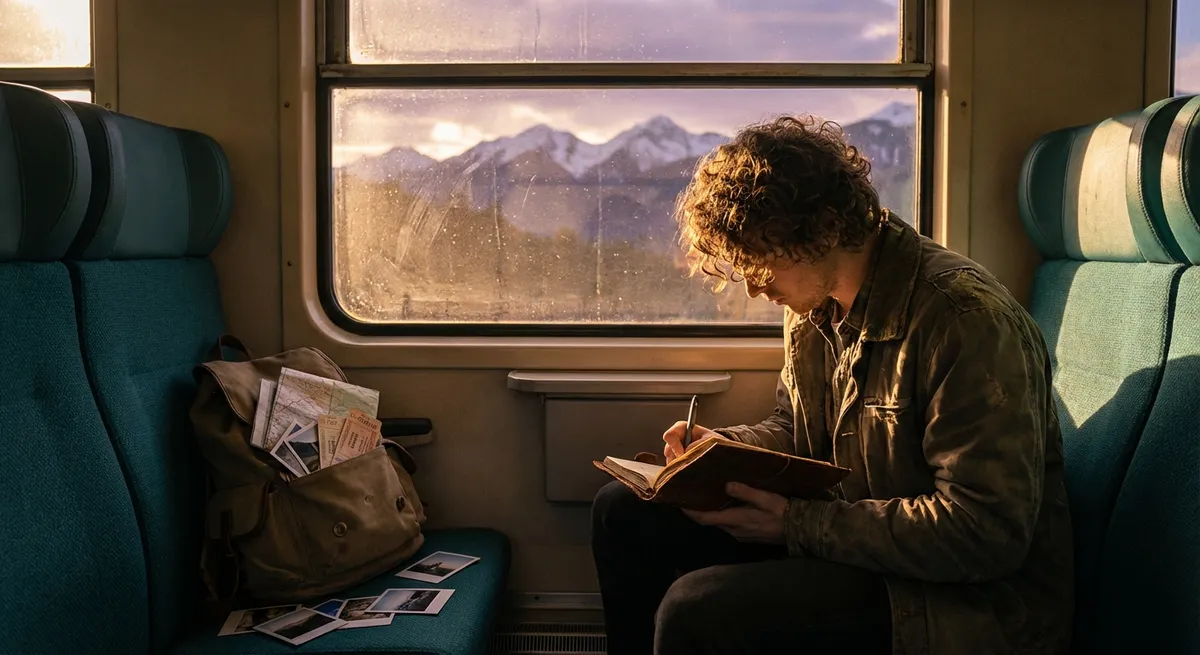
These five powerful shifts will help you transform any journey—from a weekend getaway to a months-long odyssey—into something vivid, memorable, and deeply your own.
1. Swap “Must-See” Lists for a Personal Quest
Scrolling through endless “top 10 things to do” lists can flatten a destination into a checklist. Instead, give your trip a personal quest—a theme that turns exploration into an adventure tailored to who you are.
Maybe your quest is to find the city’s boldest street art, to taste every regional bread or pastry, or to trace a river from the mountains to the sea. This simple frame makes every choice feel intentional. That tiny café off the main square isn’t just somewhere to sit; it’s another chapter in your search for the city’s best espresso.
By anchoring your trip in a personal quest, you’ll naturally wander into neighborhoods guidebooks ignore. You’ll talk to locals because you’re genuinely curious, not because a blog told you to “connect with the culture.” And you’ll remember the trip not as a blur of attractions, but as a story with a through-line: “That was the journey where I followed the old railway line through three countries” or “That was the trip where I learned one new local phrase every day and used it.”
Practical tip:
Before you book anything, write one sentence: “On this trip, I want to discover ______.” Let that shape what you pack, where you stay, and how you move.
2. Design Mornings and Nights as Your “Golden Hours”
The middle of the day belongs to crowds, schedules, and logistics. The edges—early mornings and late nights—belong to you. These are your golden hours, the pockets of time when cities exhale and landscapes feel untouched.
At dawn, even the busiest cities are soft and unguarded. Bakeries breathe out warm air and the first loaves of bread, street sweepers trace quiet circles, and light spills over rooftops in a slow reveal. Late at night, neon hums, conversations run deeper, and you see who a place becomes after it shrugs off the day.
Turn these hours into a ritual:
- Morning: Take a 20-minute walk with no map—just follow light, sound, or smell. Notice the color of the sky, the way people set up their stalls or their commute patterns.
- Night: End each day with a single moment of stillness—a bench by a river, a rooftop, a dim bar with one drink. Replay the day as if you’re narrating it to a friend in the future.
These rituals sharpen your memory and give your trip a rhythm: soft openings, bold middles, reflective endings. You’re not just passing through a destination; you’re co-writing its daily story with the people who live there.
Practical tip:
If jet lag hits you hard, use it. Instead of fighting early wake-ups, embrace dawn walks or sunrise viewpoints that most travelers sleep through.
3. Travel With a “Story Kit,” Not Just a Suitcase
A suitcase carries your stuff. A story kit carries your future memories. It’s less about gear and more about tools that help you notice, capture, and relive what you experience.
Consider packing:
- A tiny notebook or pocket journal for overheard phrases, sketches of doorways, or the name of that spice you can’t pronounce.
- A foldable tote or cloth bag for impromptu markets, local produce, or bus snacks that turn into picnics.
- A lightweight scarf or bandana that doubles as sun shield, temple cover, beach blanket, or pillow on long rides.
- A compact power bank so your phone doesn’t die halfway through navigating a labyrinthine bazaar or tracking a hiking route.
- A small reusable water bottle so you can keep moving without constant detours to buy plastic bottles.
Each of these items nudges you into richer experiences: stopping to jot a note instead of doom-scrolling, saying “yes” to a surprise market, turning a transit delay into a mini picnic.
Practical tip:
At the end of each day, snap a photo of your notebook pages or record a 60-second voice note describing the most alive moment you had. That tiny ritual will make your memories shockingly vivid months or years later.
4. Make Local Voices the Main Characters
The best travel stories aren’t about monuments; they’re about people. The cafe owner who tells you why they never left, the bus driver who shortcuts through backstreets, the fellow traveler who’s been on the road for a year and still hasn’t figured out what they’re “running toward.”
Instead of treating locals like background scenery, make them main characters in your journey.
Practical ways to do this without being intrusive:
- Ask for stories, not just directions. Instead of “Where’s the old town?” ask “If you had one free afternoon here, where would you go?”
- Take a class or workshop run by locals—cooking, dance, ceramics, traditional crafts, urban photography. You’ll walk away with skills, context, and often an invitation into someone’s personal story.
- Visit everyday places—parks, libraries, public markets, neighborhood bakeries. Watch routines, small rituals, and how community life actually flows.
- Learn a few key phrases—hello, thank you, delicious, beautiful, excuse me. Even if your accent is terrible, the effort is a bridge.
When you come home, those personal encounters will overshadow the postcard views. You won’t just say, “The coastline was gorgeous,” you’ll say, “I met a fisherman who’s been out on that water every morning for 40 years, and he talked about the sea like it was a person.”
Practical tip:
Set yourself a simple, respectful challenge: each day, have at least one short conversation with someone who lives there—shopkeeper, taxi driver, street vendor, hostel host. Listen more than you speak.
5. Let Detours Rewrite Your Itinerary
The most electric travel moments rarely show up on the original itinerary. A broken-down bus in the middle of nowhere that turns into a shared meal. A missed train that gives you three unexpected hours in a forgotten town. A wrong turn that leads to a viewpoint without a single selfie stick in sight.
Instead of resisting these moments, learn to cooperate with chaos.
Build flexibility into your plans: leave a free day, don’t book every night’s stay in advance if it’s safe not to, and avoid scheduling every hour. When something goes “wrong,” ask: What story might this become? That mental pivot turns frustration into curiosity.
At the same time, stay grounded in safety and common sense—watch your surroundings, trust your gut, and have backup options. Adventure isn’t about ignoring risk; it’s about navigating it with awareness and adaptability.
Detours are where your trip stops being a reproduction of other people’s blogs and becomes undeniably yours. Your favorite memory might be the small-town festival you stumbled into because your bus driver decided to stop for the parade, or the hidden cove you found because the main beach was closed.
Practical tip:
When plans change unexpectedly, write down three good things that wouldn’t have happened if everything had gone “perfectly.” This trains your brain to see detours as plot twists, not disasters.
Conclusion
You don’t need a bigger budget, a longer trip, or a more exotic destination to travel like a storyteller. You need attention, intention, and a willingness to let the world surprise you.
Give your journey a quest. Guard your golden hours. Carry a story kit. Make room for local voices. Welcome the beautiful mess of detours.
When you travel this way, you don’t just collect stamps in a passport—you collect scenes, characters, and turning points in a story only you could live. And long after your bags are unpacked, that story will keep unfolding every time you tell it, remember it, or let it shape the next bold step you take.
Sources
- World Tourism Organization (UN Tourism) - Global tourism data and trends that inform how people are traveling worldwide
- U.S. Department of State – Travel Advisory & Safety Tips - Guidance on staying safe and prepared while traveling abroad
- CDC – Traveler’s Health - Up-to-date health recommendations, vaccines, and destination-specific advice for travelers
- BBC Travel – Features & Human Stories - Inspiring, story-driven travel features that highlight people and culture over checklists
- Lonely Planet – Travel Tips & Advice - Practical on-the-road strategies, packing tips, and destination insights for independent travelers