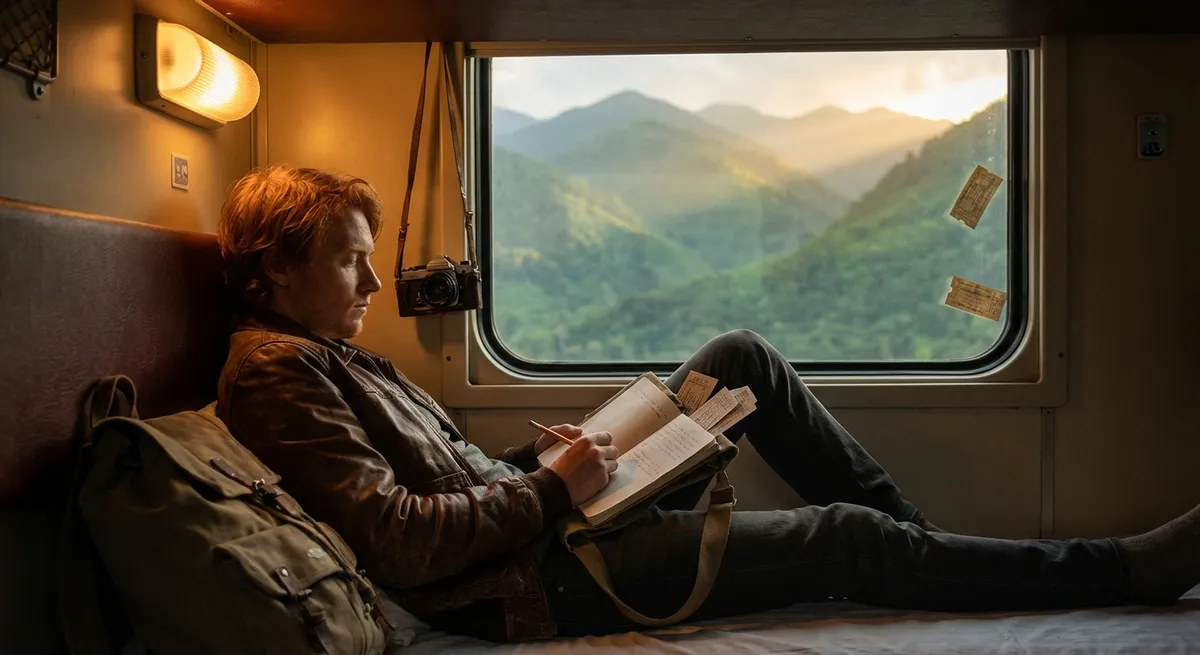
These travel tips aren’t about squeezing more sights into your schedule—they’re about unlocking deeper experiences, sharper memories, and wilder, more meaningful journeys.
1. Trade Checklists for Curiosity Trails
Instead of racing through a to‑see list, build each day around curiosity, not obligation.
Wake up and choose one simple theme to guide your wandering: doors, coffee shops, street musicians, sunsets, city parks, rooftop views. Let that theme pull you through the city like a secret compass. Maybe you spend an afternoon photographing only local markets or tasting the smallest neighborhood bakeries instead of the “famous” one in every guidebook.
Ask open‑ended questions when you talk to locals:
- “What do you do here on a Sunday?”
- “If your best friend visited for one day, where would you take them?”
This approach turns your trip from a box‑ticking mission into a living quest, with discoveries you never could’ve planned: a tiny bookshop with handwritten notes in every novel, a family‑run café that’s not on any map, or a park where elderly locals practice tai chi as the sun rises. Curiosity trails don’t just show you the place—they let the place reveal itself to you, slowly and honestly.
2. Design One “Anchor Moment” in Every Destination
Legendary trips rarely come from doing everything; they come from doing one thing so fully that time seems to crack open around it.
Before you arrive, choose a single anchor moment you’ll build your day—or your entire stay—around. It might be:
- A long hike to a viewpoint where you stay until the stars switch on
- A train journey chosen purely for the scenery, not the convenience
- A cooking class in someone’s home where you learn a dish you’ll cook for the rest of your life
- A night swim in a bioluminescent bay or mineral hot springs under cold air
Plan lightly around this anchor. Give it margin: no tight transfers, no back‑to‑back commitments. Let this experience breathe.
By centering each destination around one powerful memory, you create a spine for your trip’s story—something you’ll talk about years later, when the smaller details fade. Your anchor moment becomes the scene you replay in your mind when you think of that city, that mountain, that coastline—and it’s worth protecting with time and intention.
3. Turn Random Encounters into Real Connections
The most surprising plot twists in your travel story are almost always linked to people you meet along the way. The difference between a passing interaction and a lasting memory is how you show up in the moment.
Practice “slow presence” when you meet someone new: let go of the urge to rush off to the next sight and give them your full attention. Ask about their daily life before you ask for recommendations. Share something about your own story too; connection is a two‑way exchange, not just harvesting tips.
Useful, low‑pressure ways to meet people while traveling include:
- Joining a local walking group, language exchange, or hobby meetup
- Booking a small group class (ceramics, dance, surf, photography) instead of a huge group tour
- Sitting at the bar or communal table instead of taking a corner table for one
- Staying at guesthouses or small inns where the owners actually live onsite
When someone shares a piece of their world—a family recipe, a bus shortcut, a story about their city’s history—treat it like a gift. Write their name and a sentence about them in your notes that night. Over time, your journal becomes a constellation of people, not just places, and your trip reads less like a brochure and more like a tapestry of human moments.
4. Pack a “Creative Field Kit” Instead of Souvenirs
The most valuable thing you bring home from a trip isn’t what fits in your luggage—it’s what lives in your memory and creativity. Replace most souvenir shopping with a simple creative field kit that helps you capture the world in your own voice.
Your kit might include:
- A small notebook and pen (for overheard phrases, sketches of streets, notes on smells and sounds)
- Your phone or a compact camera, used intentionally rather than constantly
- A lightweight watercolor set or a single pencil for simple sketches
- A notes app folder dedicated to the trip, organized by day or city
Try “micro‑moments” of creativity throughout the day: write three sentences on a bus ride, sketch the curve of a temple roof while you wait for food, record the sound of evening traffic or ocean waves. Set a tiny daily ritual—like capturing one photo that tells the story of the feeling of the day, not just the view.
Instead of shelves full of objects, you return with a living archive of impressions: colors from a twilight market, the rhythm of a long‑distance train, the way the air shifted just before a thunderstorm in a new country. This doesn’t just enrich the trip; it deepens how you remember your own life.
5. Build Flex Days Into Even the Boldest Itinerary
Adventure thrives in the space between plans. When every minute is scheduled, you leave no room for the surprises that transform a good trip into an unforgettable one.
Whatever your travel style—weeks of backpacking or a tightly timed city break—add deliberate “float days” or half‑days with no hard agenda. Use them to:
- Follow a side street that looks interesting instead of the “main drag”
- Sit in one café for hours, reading, people‑watching, and absorbing the rhythm of the place
- Take a bus to the end of the line just to see where it goes
- Say yes to an unexpected invitation—a local festival, a neighbor’s barbecue, a sunrise paddle
Flex days are also a safety net: they give you space if trains run late, the weather shifts, or you simply hit an energy wall. Instead of pushing through and burning out, you can rest or pivot without losing your whole plan.
This balance—one foot in structure, one in spontaneity—lets your trip breathe. You still hit your must‑see experiences, but you also make room for the random alley concerts, the unplanned friendships, and the secret viewpoints you never would’ve found on a tight timeline.
Conclusion
You don’t need a limitless budget, perfect timing, or a flawless itinerary to travel like a storyteller. You just need to change how you move through the world: slower, more curious, with more space for people, for creativity, and for surprises.
Design each journey not as a checklist but as a narrative: choose your anchor moments, follow your curiosity trails, keep your creative field kit close, and guard those flex days like treasure. Do that, and even a weekend away can feel like a chapter from an epic—one you’ll be retelling long after your passport is back in the drawer, waiting for the next story.
Sources
- U.S. Department of State – Travel Resources - Official safety and advisory information to help you build flexible but informed itineraries
- Lonely Planet – Travel Tips & Inspiration - Practical guidance and ideas for creating more meaningful, experience‑rich trips
- National Geographic Travel - Inspiring stories and examples of curiosity‑driven, people‑focused travel around the world
- BBC Travel – Destinations & Experiences - Narrative‑style travel features that highlight local culture, slow exploration, and deeper connections
- Harvard Business Review – Why You Need an Unplugged Vacation - Research‑backed insights on rest, presence, and the benefits of leaving space in your schedule