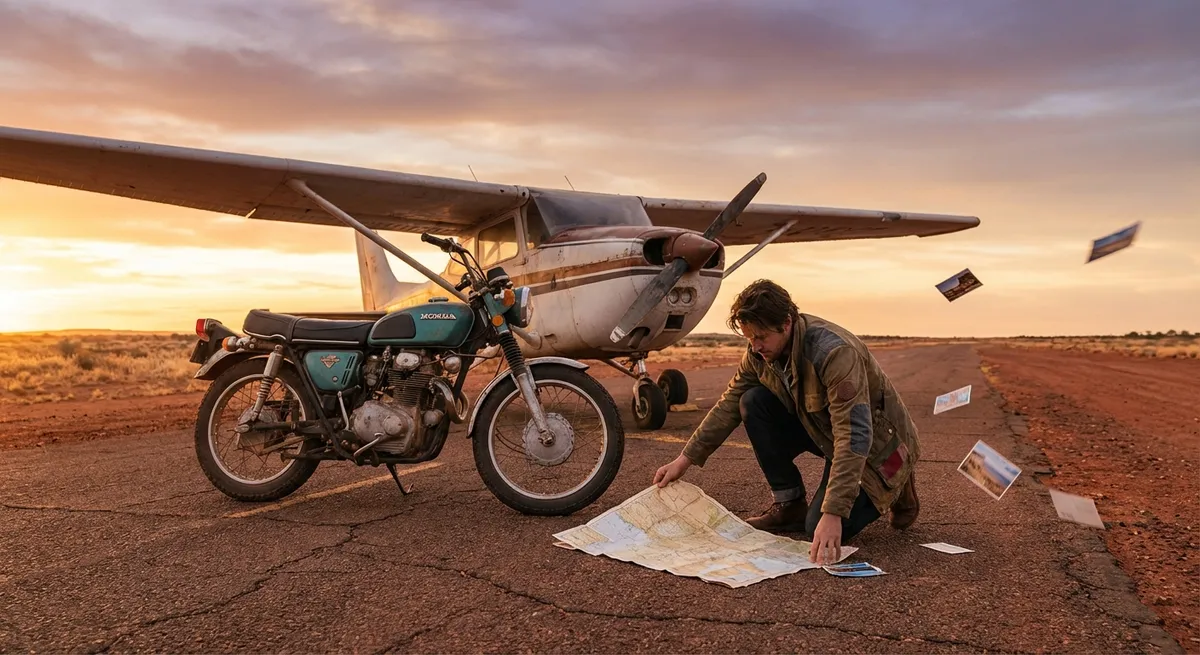
This guide is for travelers who don’t just want to go somewhere; they want to feel transformed by it. These five unconventional moves will shift the way you plan, move, and connect on the road—so every trip feels less like a checklist and more like a story you can’t wait to tell.
1. Chase Experiences, Not Landmarks
Instead of asking, “What should I see there?” ask, “What can I feel there?”
Iconic sights are worthy, but they can easily turn your trip into a rush of crowded viewpoints and identical photos. Start by choosing one feeling you want from your journey—maybe you crave awe, courage, curiosity, or stillness. Then design your days around experiences that deliver that emotion.
Crave awe? Swap the famous viewpoint for a sunrise hike on a lesser-known trail, where the only sound is your breathing and distant birds calling. Want courage? Book a local rock-climbing intro class, join a beginner surf lesson, or try a night walk with a guide in a forest reserve. Seeking stillness? Hunt down a quiet rooftop, a hidden courtyard, or a lakeside bench and commit an hour to doing nothing but observing the world move around you.
To bring this to life, ask locals and hosts questions like, “Where do you go when you need to clear your head?” or “Where would you take a friend to impress them, but not where tourists usually go?” You’ll get answers you’d never find on a typical top-10 list.
2. Design One “No-Phone Window” Every Day
Some of the sharpest memories form when nothing stands between you and the moment—not even a camera.
Build one intentional “no-phone window” into each day of your trip. It could be the first hour after sunrise, a stretch of your train ride, or your walk back to your stay at night. During this time, your only goal is to notice: patterns in the tiles, the smell of street food, the cadence of local greetings, the color of the evening sky reflected in windows.
Without constant photos and messages competing for your attention, your senses heighten. You’ll retain details with surprising clarity—like the exact laugh of the vendor who taught you how to say “thank you” in their language, or the way the wind felt at that cliff overlooking the sea.
If you’re worried about missing photo ops, you can set clear boundaries: 30–60 minutes with airplane mode on, then back to digital normalcy. Many travelers find that these pockets of pure presence become the most cherished slices of their journey.
3. Build One “Wildcard Day” Into Every Trip
Most of us over-script our travels, packing each day with must-dos until our vacation feels like a deadline. Instead, save one full or half day as a “wildcard”: no fixed plans, just a loose theme and a willingness to follow leads as they appear.
Pick a simple focus: maybe “follow the music,” “find the water,” or “learn something new.” Then let that guide spontaneous choices. Hear drums in the distance? Head toward the sound. Spot a quiet alley with lanterns you haven’t seen elsewhere? Wander down it. See a flyer for a local workshop or small exhibit? Show up and see what happens.
Use small constraints so the freedom feels exciting, not overwhelming. For example:
- Only turn onto streets you haven’t walked yet.
- Say yes to the first local food you’re offered that you don’t recognize.
- Follow one color—blue doors, yellow signs, red rooftops—and see where it leads.
This is where chance encounters live: the neighborhood café not in any guide, the tiny gallery with an artist who tells you their story, the old fisherman who teaches you a knot at the harbor. Your wildcard day is your built-in portal to the unexpected.
4. Travel With a Signature Question
The simplest, most powerful travel tool isn’t gear or apps—it’s the questions you ask.
Choose one “signature question” you’ll ask people throughout your trip, something that invites real stories instead of small talk. Stick with it, and you’ll collect a mosaic of perspectives, each adding texture to your journey.
Try questions like:
- “What’s one place here that’s special to you—and why?”
- “What’s something people get wrong about this city?”
- “If I only had one more day here, what should I do with it?”
- “What’s a local tradition you wish more visitors knew about?”
Ask your question to hosts, drivers, café owners, market vendors, guides, and fellow travelers. Take brief notes afterward—just a few lines in your phone or notebook. At the end of your trip, read them back. You’ll see patterns and surprises: shared pride in certain places, hidden frustrations, little joys people cling to.
This doesn’t just make your trip richer; it helps you travel with humility and curiosity instead of consumption. You stop collecting places and start collecting stories.
5. Craft a Departure Ritual That Anchors the Memory
We plan our arrivals. Few of us plan our goodbyes. Yet how you leave a place can seal the memory of it.
Before you depart, create a small, repeatable ritual. It could be as simple as revisiting the first place you ate in that city, standing at your favorite viewpoint one last time, or walking a final loop around the neighborhood where you stayed. Use this moment to mentally “develop” the trip—like turning a negative into a photograph.
Ask yourself:
- “What surprised me the most here?”
- “What did I do on this trip that I’m proud of?”
- “What will I bring back into my life at home—habits, flavors, attitudes?”
Consider leaving a tiny mark behind that harms nothing and helps someone else: a handwritten thank-you note to your host, a kind review for a small business, or a recommendation note slipped into a guestbook about a spot you loved.
By repeating a departure ritual on every trip, you turn scattered journeys into a connected tradition. Each goodbye becomes a conscious moment of gratitude—and a bridge to the next adventure.
Conclusion
You don’t need more money, more time off, or more “perfect” plans to travel better. You need sharper intentions, bolder questions, and the courage to leave some space unplanned.
Chase experiences over landmarks. Gift yourself daily pockets of presence. Reserve a wildcard day to meet the unexpected. Carry a signature question to unlock real stories. And close each journey with a ritual that honors the version of you that emerged along the way.
Travel doesn’t have to be rare to feel extraordinary. With a few maverick moves, any trip—short or long, near or far—can become the kind of story that changes how you see the world, and how you see yourself.
Sources
- U.S. Department of State – Travel Preparation Tips - Official guidance on getting ready for international travel, from documents to safety considerations
- CDC Travelers’ Health - Up-to-date health and safety information to help you plan smart, healthy trips
- UNWTO (World Tourism Organization) – Tourism and Culture Synergies - Insights on cultural exchange and responsible travel experiences
- Harvard Business Review – The Art of Letting Go in Travel - Explores how unstructured time and disconnection can boost wellbeing and creativity
- Lonely Planet – Responsible Travel Tips - Practical advice on engaging meaningfully and respectfully with places and communities