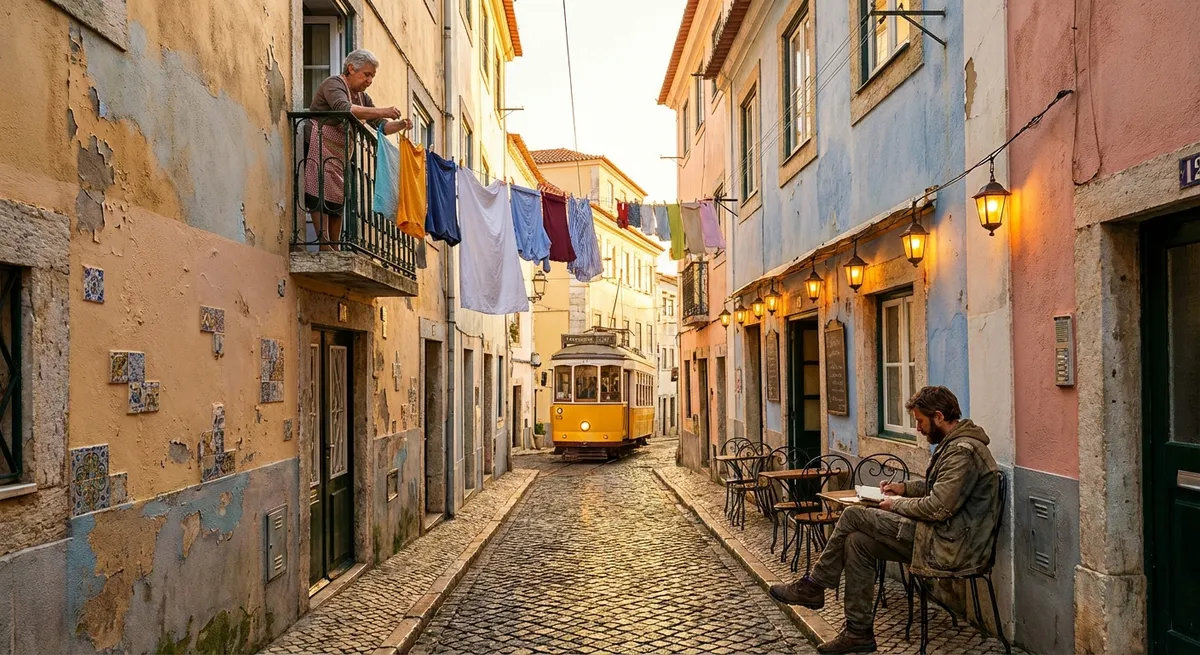
Below are five powerful ways to step into that local rhythm and uncover the kind of moments that never make it onto postcards—but stay with you long after you’re home.
1. Follow the Food Trail the Locals Actually Walk
Skip the glossy “top 10 restaurants” list and go where the everyday cravings live. Wander a few blocks away from major attractions and look for the places with handwritten menus, steamy windows, and more locals than cameras.
Ask your host, barista, or taxi driver where they’d take a friend visiting from out of town—not a tourist. Eat when they eat: early dinners in Northern Europe, late-night meals in Spain, lazy lunches in Latin America. Try the busy market stalls where dishes are served on metal trays or paper plates; the lack of polish usually means the food does all the talking.
To stay safe and healthy, look for high turnover, clean prep areas, and lots of locals queuing. When you don’t recognize a dish, order it anyway and ask how to eat it properly—people light up when they get to share the “right” way to enjoy their food. The reward: not just a great meal, but an instant doorway into local culture.
2. Use the City’s Veins: Buses, Trains, and Streetcars
Every city’s public transport is like an X-ray of its daily life. Hopping on a tram or bus isn’t just cheaper—it puts you right in the pulse of the place. You’ll see kids in uniforms, workers with their morning coffee, late-night dreamers heading home. These small glimpses quietly map the city’s real rhythm.
Start with one route that locals actually use: a bus that crosses several neighborhoods or a metro line that connects the outskirts with downtown. Get off a stop early or late and walk; that “wrong” stop often leads to your favorite café or view. Use official transit apps or Google Maps to navigate, and always download an offline map before heading out, especially in places with patchy service.
Notice the unwritten rules: Is it silent on the train? Chaotic and chatty on the bus? Do people queue or surge? Match the energy. Moving like a local doesn’t require perfect knowledge—just curiosity and respect.
3. Trade Checklists for Neighborhood Micro-Adventures
Instead of trying to “do” a city in 48 frantic hours, pick one or two neighborhoods and treat them like your temporary home turf. Give yourself a morning, an afternoon, and an evening there. Walk every side street. Sit in three different cafés. Linger on park benches and at street corners. Let the neighborhood reveal itself slowly.
Set small, playful missions: find the best bakery on this block, spot three pieces of local street art, locate a park where you’d actually come to read if you lived there. Talk to the people who hold the neighborhood together—corner shop owners, fruit sellers, dog walkers, street vendors. Ask for directions and then ask, “What’s your favorite thing around here?”
When you zoom in, the pressure to “see everything” dissolves. In its place, you get deeper stories: the bar that turns into a tango hall after dark, the tiny bookstore that hosts open mic nights, the family-owned diner that’s been serving the same dish for 40 years. This is where a city stops being a backdrop and starts being a character in your journey.
4. Let Local Rituals Rewrite Your Daily Routine
Wherever you go, borrow the local schedule for at least one full day. If dawn is when the fishermen return, be on the pier. If evening is when the streets explode with food carts, arrive hungry. If the entire town pauses for a midday coffee break or afternoon rest, let your own pace slow to match.
Attend whatever is happening while you’re there: a neighborhood festival, a church service, a public dance class in the square, a local sports match. Buy the cheap seat, stand in the back row, clap when everyone else does, and learn the basic chants or moves. You don’t have to understand every word to absorb the emotion.
By stepping into these rituals, you’ll feel less like a passing spectator and more like a temporary citizen. Your day becomes shaped not by tourist opening hours, but by the living heartbeat of the place—and that’s where real connection hides.
5. Pack Light, Move Freely, Say “Yes” More
The less you carry, the more you can invite in. A smaller bag means you can walk instead of hail a cab, hop on a crowded tram, take that last-minute invitation for a sunset hike or a detour to a street festival. Travel with enough to be comfortable, but not so much that you’re constantly guarding your backpack instead of stepping into the moment.
Build a simple, flexible base plan: where you’re sleeping and how you’re getting in and out. Then leave the rest slightly unfinished on purpose. When a local suggests a different viewpoint for sunset, a quieter beach, or a better night market, you’ll have room to say “yes” without your entire schedule collapsing.
Balance spontaneity with safety: share your general plans with someone back home, keep copies of documents, know a few key phrases in the local language, and stay aware of your surroundings. Within that safety net, give yourself permission to wander off the expected route. The stories you love most later are usually the ones you never planned to have.
Conclusion
Travel doesn’t become unforgettable because you checked every sight off a list. It becomes unforgettable because, for a little while, you lived somewhere else—joined its rituals, rode its buses, ate its comfort food, walked its side streets, and let it surprise you.
When you move through the world like a local, the distance between “stranger” and “guest” shrinks. You stop just passing through places and start belonging to them, however briefly. That’s the kind of journey that keeps echoing long after your return flight lands—and the kind that keeps you hungry for the next leap into the unknown.
Sources
- U.S. Department of State – Travel Advice and Safety Tips - Guidance on staying safe abroad, including local transportation and general awareness
- Centers for Disease Control and Prevention – Travelers’ Health - Up-to-date health, food, and water safety recommendations for destinations worldwide
- UNESCO World Heritage Centre – Sustainable Tourism - Insights on responsible, locally aware travel around cultural and natural heritage sites
- Lonely Planet – How to Eat Like a Local When You Travel - Practical tips for finding authentic local food and markets
- National Geographic – How to Be a Responsible Traveler - Explores ethical, culturally respectful ways to engage with local communities