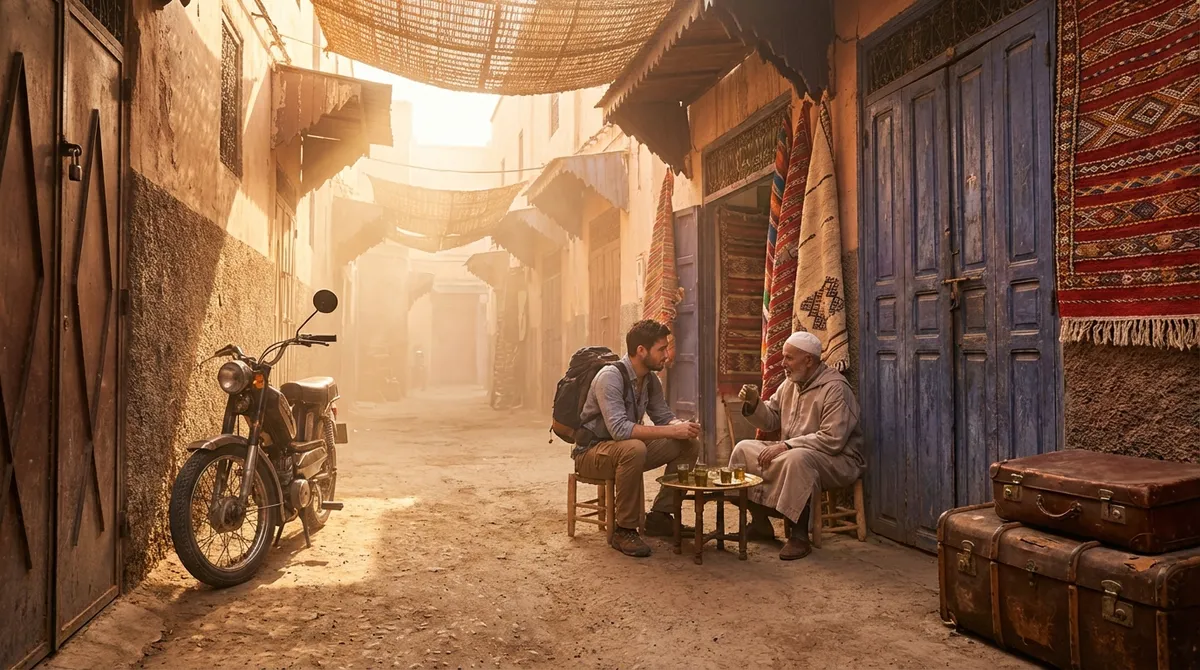
Tune Into the Street Rhythm Before You Plan Your Day
Every destination has a rhythm: the hour shutters lift, the time kids flood the sidewalks, when markets quiet and music starts. Travelers often miss this because they arrive with a rigid checklist instead of a curious pulse-check.
On your first evening, walk without a goal for 30–60 minutes. Notice what locals are doing: Are they crowding bakeries in the morning or staying out late at night? Are parks buzzing at sunset or at lunch? Let these clues shape your plans. If mornings are sleepy, skip the early museum rush and claim empty plazas for yourself. If nightlife is rich, save energy for twilight walks and late dinners where you’ll actually see life unfolding.
Use this recon to decide when to hit famous spots (often during local mealtimes) and when to simply wander. You’ll dodge crowds, catch more authentic moments, and start to feel the subtle tempo shifts that turn a city from a checklist into a living character in your story.
Make One “Anchor Spot” Your Temporary Home Base
Instead of chasing a new café or bar every single day, pick one place that feels right and keep returning. It could be a corner coffee shop where the barista starts to recognize your order, a tiny noodle stall, a waterfront bench, or even a neighborhood bakery.
By visiting at different times of day, you’ll watch the same stage with different casts: office workers grabbing breakfast, students gossiping after school, grandparents on evening strolls. This familiar corner becomes your lens into the local routine. You’ll pick up overheard phrases, see the micro-dramas of daily life, and maybe get a nod of recognition that makes you feel less like a passing stranger and more like a recurring character.
Practically, an anchor spot gives you a safe fallback when energy dips or plans fall through. Emotionally, it roots the trip in something tangible. Long after you’ve forgotten museum dates and ticket numbers, you’ll remember the smell of the coffee, the chipped tabletop, and the song that always seemed to be playing from the same radio.
Ask for One Specific Recommendation—Then Actually Follow It
“Any recommendations?” is too vague. Locals have busy lives and a whole mental map you can’t see, so narrow the question and make it easy for them to share something meaningful.
Try questions like:
- “If you had one free afternoon this week, where would you go?”
- “Where do you take a friend to impress them—but not somewhere super fancy?”
- “Is there anything small here that people overlook but you secretly love?”
The magic isn’t just in the answer, it’s in following through. Go where they send you—no matter how “ordinary” it sounds. It might be a park bench with a particular view, a neighborhood bakery that sells out by noon, or an unassuming alley with the best street food. When you go, look closely. Ask yourself why this place matters to them: the light, the taste, the memory.
Later, if you cross paths again, mention that you followed their tip and what you loved about it. That shared thread turns a brief exchange into a genuine connection, and it trains you to see through local eyes, not just guidebook blurbs.
Turn Everyday Errands Into Micro-Adventures
Some of the richest travel moments hide inside the most mundane tasks: buying fruit, mailing a postcard, getting a transit card, fixing a broken sandal. Instead of treating errands as delays, treat them as side quests.
Need snacks? Skip the sleek supermarket and find the neighborhood market where the air is thick with spices and competing music. Ask the vendor what’s local and in season, and try something you can’t pronounce. Need to figure out public transit? Ask a fellow rider to confirm your route and where they’d get off if they were you. Suddenly you’re not just moving through a city—you’re learning how it actually works.
These small missions push you to interact with systems locals use every day: payment apps, recycling rules, unspoken lines at food stalls, how people queue (or don’t). You come away with more than photos; you collect living knowledge about how people organize their lives, and that’s where a place really reveals itself.
Give Every Day a Tiny Quest With Room for Surprise
Overplanning squeezes out magic; total improvisation often leads to decision fatigue. The sweet spot is a simple daily quest: one clear intention that guides you, with open space around it.
Your daily quest could be:
- Find the highest viewpoint you can reach on foot.
- Taste a dish that’s completely new to you.
- Cross a river, bridge, or canal you haven’t seen yet.
- Follow a single tram or bus line to its end just to see where it goes.
- Trace a color (like blue doors or yellow murals) across the city and see where it leads.
This one anchor goal gives your day shape, but how you achieve it is flexible. You’ll notice side streets because you’re not rushing between appointments. You’ll linger in conversations because you aren’t sprinting to the next time slot. And when your quest leads you astray—in the best way—you’ll return with stories that don’t sound like anyone else’s.
Travel becomes less about “Did I see everything?” and more about “What did I notice? Who did I meet? How did this place change how I move through the world?”
Conclusion
The most powerful travel stories rarely start with perfect itineraries; they start with a decision to be fully present in unfamiliar territory. When you listen to a city’s rhythm, claim a corner as your own, follow one heartfelt recommendation, turn errands into adventures, and give each day a simple quest, you create space for a place to surprise you.
Next time you step into a new city or a small town far from home, resist the urge to simply check off the “must-sees.” Travel like a local, dream like a nomad—and let your journey unfold in the unscripted spaces between the big sights. That’s where your most unforgettable memories are waiting.
Sources
- U.S. Department of State – Traveler’s Checklist - Practical pre-trip guidance on documents, safety, and preparation
- World Tourism Organization (UN Tourism) - Insights on responsible and sustainable travel practices
- BBC Travel – How to Travel Like You Live There - Explores strategies for experiencing destinations more like a local than a tourist
- National Geographic Travel – The Art of Slow Travel - Discusses immersive, unhurried approaches to discovering new places
- Harvard Business Review – The Case for Vacations - Examines how meaningful time away and immersive experiences can improve well-being and perspective