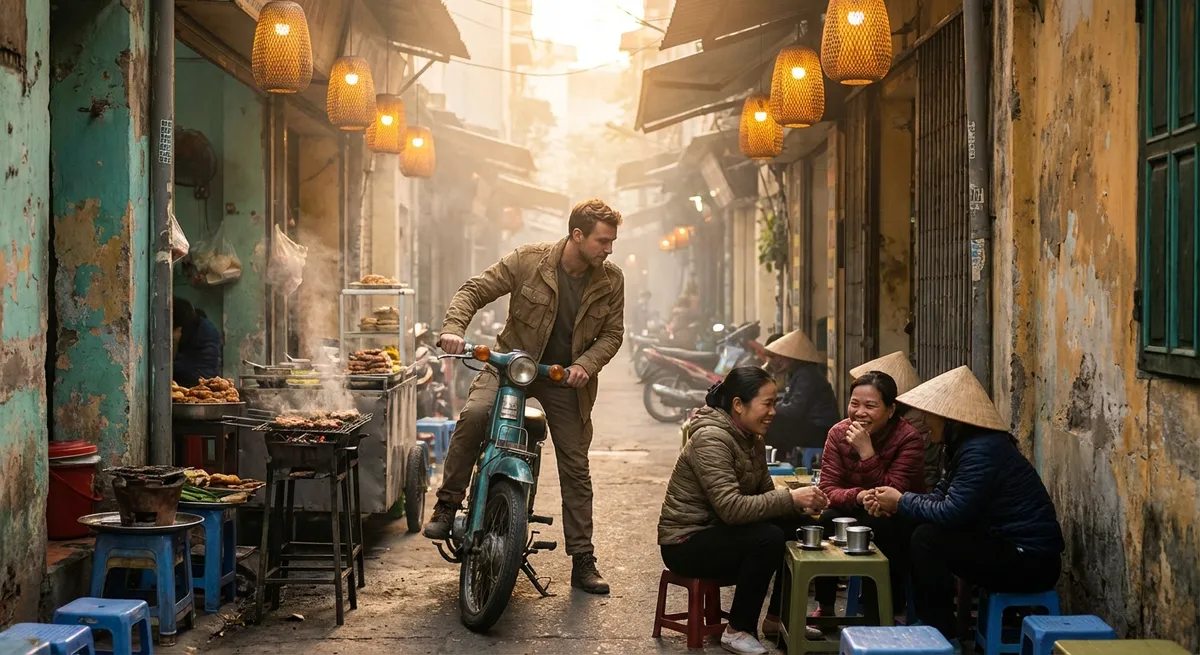
This isn’t about collecting stamps in your passport. It’s about collecting stories in your bones.
Here are five powerful ways to turn every trip into a vivid, lived-in adventure—without losing your wallet, your sanity, or your sense of wonder.
1. Chase Dawn and Dusk, Not Just Check‑In and Check‑Out
Airlines and hotels think in check‑in times. Travelers who collect magic think in light.
Set your internal compass to sunrise and sunset. Those two slivers of the day are when cities exhale and landscapes shift from ordinary to cinematic. Wake up before the city does and watch shopkeepers roll up shutters, bakers steam up windows, and dogs claim empty streets. At sunset, head for any vantage point—rooftops, riversides, hillsides, harbors—and let the sky write its own travel diary.
Practical edge:
- Book your arrival flight so you land in daylight, if possible. First impressions are easier (and safer) when you can see.
- Use apps like PhotoTime or your phone’s weather app to check sunrise/sunset times and actually block them in your itinerary.
- For epic photos without crowds, hit famous landmarks right at opening time; the world’s most over‑photographed spots feel different when it’s just you, the light, and the echo of your footsteps.
When you plan days around light instead of lines and tickets, your trip stops feeling scheduled—and starts feeling cinematic.
2. Trade One Tourist Magnet for One Everyday Ritual
See the icons—yes. But also see how people actually live. Each day, replace one “must‑see” attraction with one “must‑feel” local ritual.
Pick a neighborhood café and go there every morning. Sit at the same table. Order the same thing. Within days, you’re no longer a stranger; you’re a familiar face. Notice what people eat, how long they linger, and how they greet each other. That routine becomes your anchor, even in a brand‑new city.
Other ritual ideas:
- Ride public transport at rush hour once—not just to get somewhere, but to observe the city’s rhythm.
- Browse a weekday food market, not just famous night markets: see what ends up in local kitchens.
- Find a park and sit for 30 minutes with no phone, just watching families, runners, and old friends on benches.
Practical edge:
- Ask your host or hotel staff: “If you moved away and came back for one day, what’s the one everyday thing you’d do here?”
- Use offline map downloads so you can confidently wander into non‑touristy neighborhoods.
- Learn a few ultra‑basic phrases—hello, thank you, please, excuse me—in the local language. The effort opens doors that guidebooks can’t.
You’ll remember the one bakery that knew your order as vividly as any world‑famous monument.
3. Turn Every Meal into a Micro‑Adventure
Forget “What’s the safest thing on the menu?” and ask, “What’s the dish people here argue about being the best?”
Food is a shortcut to a place’s history, climate, and culture. That street‑corner stall with a line of locals might be serving recipes older than the building it stands next to. Say yes to the unknown—smoky skewers from a vendor with a tiny grill, steaming bowls from a spot with plastic stools, pastries you can’t pronounce from a busy bakery.
Practical edge:
- Follow the line: if locals are queuing, it’s usually for a reason.
- Use food blogs or apps to identify classic regional dishes before you arrive, so you’ll recognize names on menus.
- Ask servers: “What do people from here usually order?” Then pick at least one thing from that list.
Stay smart but brave:
- Check current health advisories for food and water safety for your destination.
- If you have allergies or dietary needs, carry them written in the local language on a card to show staff.
- Start with cooked, hot street food if your stomach is sensitive, then branch out.
Every new dish is a conversation starter with the city—and with yourself.
4. Pack for Curiosity, Not Just Comfort
Your suitcase can either weigh you down or set you free. Pack like someone who plans to move, not just pose.
Travel light enough that hopping on a last‑minute train or walking 20 minutes to a cheaper guesthouse feels like an option, not a nightmare. The lighter your bag, the heavier your sense of possibility.
Adventure‑ready essentials:
- A soft, packable day bag for spontaneous hikes, markets, and long wanderings.
- A lightweight scarf or buff: doubles as sun protection, temple cover, makeshift towel, or privacy shield on buses.
- A refillable water bottle: cheaper, greener, and it nudges you to stay hydrated when you’re distracted by everything.
- Offline maps and backup copies of key documents stored securely in the cloud.
Clothing mindset:
- Pick a single color palette so everything mixes and matches.
- Choose fabrics that dry fast so you can wash them in a sink at night and re‑wear the next day.
- Prioritize comfortable walking shoes over “cute but painful” ones. You can’t chase sunsets if your feet are begging for mercy.
Every item you leave behind is space for something better: margin, mobility, and maybe that handmade souvenir you didn’t know you needed.
5. Say “Yes” to People, “No” to Pressure
The most unforgettable parts of a trip are rarely on your itinerary. They’re in the unexpected invitations: “Come join us for dinner.” “We’re driving to that village tomorrow if you want to ride along.” “Our friend is playing music tonight—want to come?”
Create space in your plans so you can say yes when your instincts say it’s right. Leave a few hours (or an entire day) unplanned in every new place. That’s breathing room for serendipity.
Practical edge:
- Balance: keep core logistics (lodging, major transport) booked, but let the in‑between float.
- Share your live location or rough plan with a trusted person if you go off with new friends.
- Trust your gut without apology. If something feels off, you’re allowed to say no—even if it feels awkward.
Conversations to spark connection:
- “If I had one more day here, what should I see or eat?”
- “What do you love most about living here?”
- “What’s something visitors usually miss?”
Travel is less about ticking off attractions and more about crossing paths with people you’d never meet in your normal life. The courage to connect is the real passport stamp.
Conclusion
Travel doesn’t have to be distant, expensive, or perfectly planned to be extraordinary. It becomes extraordinary when you:
- Move with the light,
- Adopt small local rituals,
- Treat meals like mini expeditions,
- Pack for freedom not friction,
- And stay open to people and unplanned moments.
Wherever you’re headed next—across an ocean or just across your own country—you have everything you need to turn a simple trip into a living, breathing story.
The world isn’t just waiting to be seen. It’s waiting to meet you—the version of you who wakes up curious, walks a little further, and says, “Let’s see what happens if I turn down this street.”
Sources
- U.S. Department of State – Traveler’s Checklist - Official guidance on documents, safety, and preparation before international travel
- Centers for Disease Control and Prevention – Travelers’ Health - Up-to-date health notices, food and water safety tips, and vaccination recommendations for destinations worldwide
- UN World Tourism Organization (UNWTO) – Tourism Data and Insights - Research and statistics on global tourism trends and traveler behavior
- Lonely Planet – Travel Tips and Advice - Practical advice on packing, planning, and navigating destinations from a trusted travel publisher
- National Geographic Travel – Photography Tips - Expert insight on using light and timing (like sunrise and sunset) to capture better travel photos