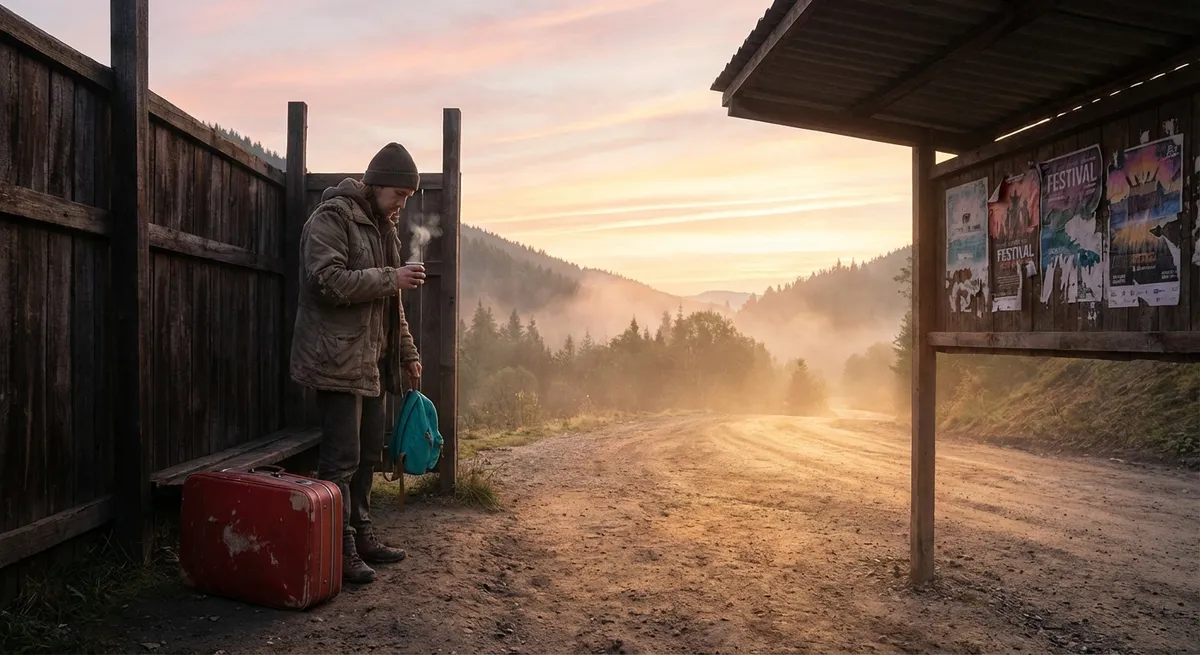
Below are five powerful shifts that can turn your next low-cost trip into a rich, cinematic adventure you’ll replay for years.
Stretch Time, Not Money: Slow Travel That Costs Less and Gives More
Rushing from city to city looks impressive on an itinerary, but it quietly drains your wallet and your energy. Transport tickets stack up, attraction fees pile on, and you end up skimming the surface instead of sinking into the soul of a place.
Slow travel flips that script. By choosing fewer destinations and staying longer, you unlock weekly rental discounts, cheaper local transit passes, and a rhythm that feels like living—not just passing through.
Imagine spending two weeks in a small coastal town instead of squeezing in four countries in the same time. You learn the best bakery by smell alone. The barista starts your order when you walk in. The market vendor slips an extra orange into your bag “just because.” Those tiny, human details cost nothing—and they’re what you’ll remember long after museum ticket stubs fade.
On a practical level, slow travel means:
- Booking apartments or guesthouses with kitchens so you can cook local groceries instead of eating out every meal.
- Using regional passes for trains or buses instead of individual tickets.
- Letting go of the “checklist” and re-centering on what feels meaningful instead of what looks impressive online.
The reward? A gentler budget, deeper connections, and a trip that feels less like an escape and more like a temporary new life.
Let Nightfall Be Your Ticket: Overnight Journeys as Moving Rooms
While many travelers see a long train or bus ride as wasted time, budget adventurers turn it into a secret weapon: your transport becomes your accommodation, and one of your biggest daily expenses simply disappears.
Overnight trains and buses can be more than a seat that reclines—they can be the doorway between two chapters of your trip. You fall asleep in one landscape and wake up to a completely different skyline, a new language on the signs, a different spice in the morning air.
Use this move strategically:
- Choose routes with sleeper berths or reclining seats so you actually rest.
- Pack a minimalist “night kit”: earplugs, eye mask, warm layer, and a scarf that doubles as a pillow.
- Prioritize safety by booking with reputable companies and sticking to well-known routes.
When you plan your route around a few key overnight legs, your budget stretches in two directions at once: smaller accommodation costs, and fewer wasted daylight hours. You’re always moving, always shifting, always trading miles for stories.
And sometimes, the journey becomes the highlight: sharing snacks with a family headed home, learning card games from fellow travelers, or watching a sunrise pour through the train window onto a landscape you’ve never seen before.
Sleep Where Stories Live: Creative Stays That Cost Less Than Hotels
Traditional hotels are comfortable—but they’re rarely where the best stories happen, and they often chew up the largest bite of your budget. When you look beyond the hotel search bar, you find an entire underworld of stays that are cheaper, richer, and infinitely more memorable.
Think:
- Hostels and guesthouses where common rooms become instant friend-factories, and you find travel partners over shared kitchens and board games.
- Homestays that come with homemade meals, local tips, and a front-row seat to everyday life.
- Farm stays or volunteering where your skills help out a community and your bed comes as part of the exchange.
- Couchsurfing or hospitality exchanges for the brave and flexible, trading money for trust, connection, and conversation.
The trick is not to chase the lowest price blindly, but to balance cost with character and safety. Read recent reviews, trust your instincts, and value places where hosts are present, responsive, and proud of their corner of the world.
In these alternative stays, your room isn’t just a place to drop your bag. It’s a doorway into a neighborhood. It’s dinner with your host’s friends. It’s a spontaneous invitation to a local festival you never would have found in a guidebook.
Your bed becomes part of your story—not just a line in your budget.
Eat Where the City Breathes: Low-Cost Food With a Front-Row Seat to Local Life
A tight budget doesn’t mean you have to survive on instant noodles and supermarket bread. It means you learn to follow flavor instead of fancy. Some of the world’s greatest food isn’t locked behind white tablecloths; it’s sizzling on street corners, stacked in markets, and ladled from steaming pots at tiny family-run stalls.
Follow a simple rule: where locals line up, you should, too.
Street food scenes and public markets give you:
- Generous portions at a fraction of restaurant prices.
- A crash course in local ingredients, spices, and traditions.
- Front-row seats to the rhythm of everyday life.
Balance splurges and savings: cook a simple breakfast at your hostel, grab a market lunch, then treat yourself to one carefully chosen dinner that feels special, not rushed. Use free walking tours or local recommendations to find beloved, affordable spots instead of tourist traps.
When you stop chasing “the best restaurant” and start chasing the best energy, you end up at crowded counters, smoky grills, and plastic-stool eateries where strangers slide over to make you room. You taste the city not as a customer, but as a temporary local, spending less money but savoring far more life.
Turn Constraints Into Quests: Make the Budget Part of the Adventure
The most powerful shift in budget travel isn’t a booking hack—it’s a mindset. When you treat your budget as a cage, every compromise feels like a loss. But when you treat it as a game, the same limitations become fuel for creativity, courage, and unforgettable stories.
Instead of thinking “I can’t afford that,” ask:
- “What’s the free or low-cost experience that would feel just as alive?”
- “If I had to design a perfect day for under $20, what would it look like?”
- “What could I trade—skills, time, conversation—instead of money?”
You might skip a pricey guided tour and create your own walking route using a city map and podcast. You might forgo a big-ticket attraction for a sunrise hike, a local festival, or a day tracing the path of a river from city center to the quiet edge of town.
Give yourself playful challenges:
- Only use public transit for a day and see where it takes you.
- Explore one neighborhood in depth instead of crossing the whole city.
- Spend a day doing only things that are free: parks, viewpoints, galleries with no admission, public beaches, local events.
You’ll notice something wild: when you stop measuring your trip in receipts, you start measuring it in conversations, vistas, and moments of courage. Your budget stops being the villain and becomes the compass—pointing you toward the kind of travel that truly changes you.
Conclusion
The world doesn’t only belong to travelers with platinum cards and open-ended bank accounts. It also belongs to the person willing to sleep on a night train, to linger in one town longer than planned, to eat where the plastic stools wobble and the flavors set their memory on fire.
Budget travel isn’t about going without. It’s about going with intention. With curiosity. With the belief that real richness comes from what you notice, not what you spend.
When you travel light, you make room for everything that matters: people, places, and the parts of yourself that only wake up when you’re far from home. Your wallet can be small. Your life on the road can still be unbelievably wide.
Sources
- U.S. Department of State – Travel Advice & Tips - Official guidance on travel safety, transportation, and destination-specific information
- National Geographic – The Art of Slow Travel - Explores the benefits of slow travel and staying longer in fewer places
- Lonely Planet – Beginner’s Guide to Hostels - Practical overview of hostel culture, safety, and how to choose budget-friendly stays
- BBC Travel – Why Street Food is the Best Way to Know a Place - Explains how local food scenes offer cultural immersion at low cost
- Harvard Business Review – The Value of Experiences Over Things - Research-based insight into why experiences (like travel) create more lasting happiness than material purchases