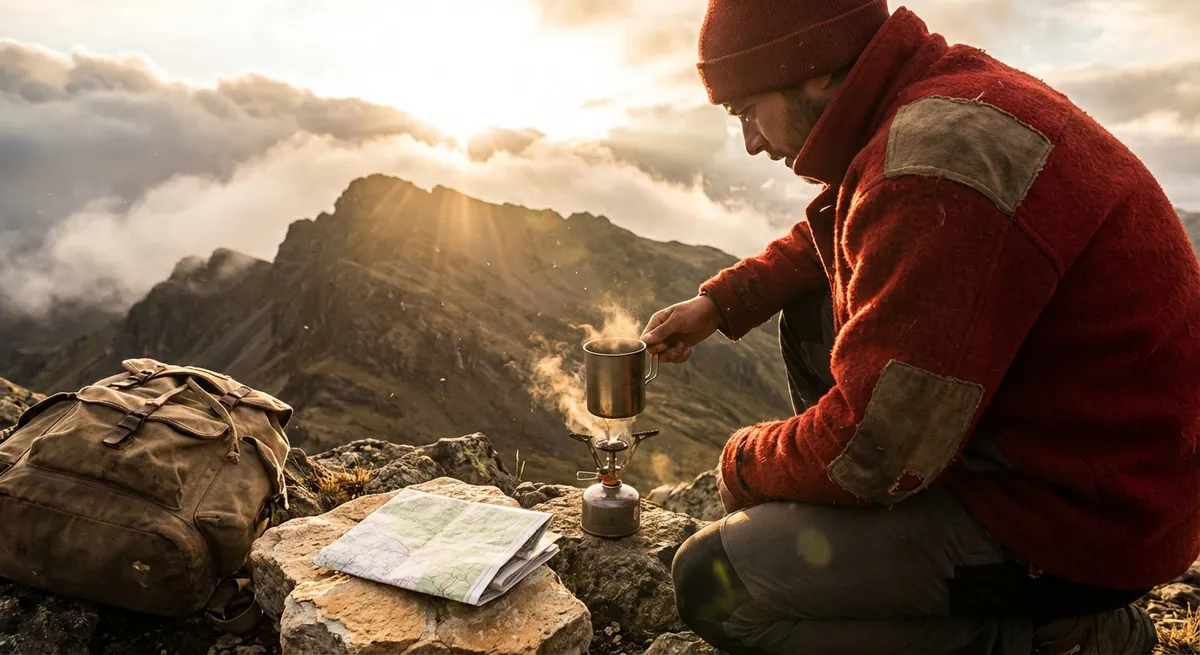
Below are five captivating ways to turn a lean budget into a rich, unforgettable journey.
1. Ride the Pulse of a Place with Local Transport
Forget the tinted windows of tour buses—step straight into the heartbeat of a city. When you ride the metro in Seoul, squeeze into a jeepney in Manila, or glide on a tram through Lisbon’s hills, you’re not just saving money; you’re moving at the rhythm of real life.
Local buses and trains are often a fraction of the cost of taxis or rideshares, and they come with built-in adventure. You’ll decipher transit maps in foreign languages, watch the city shift from business districts to neighborhoods, and pick up unscripted moments: a street musician boarding between stops, a vendor selling snacks you’ve never seen before, a fellow passenger pointing out where to hop off for the best sunset view.
Practical move: Before you arrive, download offline transit apps or city maps, and check if there are daily or weekly passes—they often pay for themselves in two or three rides. Start with one “test ride” on a short route to get your bearings, then stretch further. The money you save on rides can fund an extra local meal, a museum entry, or that spontaneous boat trip you thought you couldn’t afford.
2. Sleep Where Stories Live, Not Where Logos Shine
Budget travel isn’t a downgrade—it’s a shift in what you value. Swap polished hotel lobbies for places where the real stories sleep: family-run guesthouses, simple homestays, hostels with communal kitchens, or small eco-lodges on the fringes of wilderness.
In a guesthouse, you might be eating breakfast next to the owner’s kids before school. In a hostel, your dorm-mate could be the one who tells you about a hidden waterfall or a free gallery night. In a homestay, you’ll learn how locals build their lives—not from a guidebook, but from someone pouring you tea in their own kitchen.
Practical move: Look for accommodations with reviews that praise cleanliness, safety, and community, not just price. Prioritize places with shared spaces—kitchens, lounges, rooftops—where you’re likely to meet other travelers. Cooking a simple dinner with new friends can cut your food budget in half while giving you a front-row seat to travel stories from every corner of the map.
3. Turn Street Food into a Moving Feast
If you want to feel a city from the inside out, follow the food stalls. Street food is often the most affordable, authentic, and thrilling way to taste a place. Picture steam rising from noodle carts in Hanoi, tacos assembled at lightning speed in Mexico City, or samosas stacked high beside a buzzing Indian marketplace. This is where flavor, culture, and budget all collide.
Street food lets you sample many small dishes instead of spending big on one formal meal. It’s fast, it’s social, and it anchors you directly in the daily rhythm of locals grabbing breakfast before work or a late-night snack after a long day.
Practical move: Look for long lines and high turnover—that usually signals freshness and quality. Eat where families and workers eat, not where only tourists gather. If you’re unsure what to order, just point and smile; most vendors will happily guide you. Set yourself a “street food day” where you skip restaurants entirely and graze through a city for the cost of a single sit-down meal back home.
4. Let Free Experiences Shape Your Itinerary
The world is brimming with experiences that cost nothing and leave everything changed in you. You can wander centuries-old neighborhoods, listen to street performers on a bridge at dusk, hike city viewpoints, attend free museum days, or catch outdoor festivals and local celebrations you never planned on.
Travel on a budget means looking past ticketed attractions and asking, “What does this place give away for free?” Maybe it’s beaches at sunrise, public art and murals that turn alleyways into galleries, or a mountain trail just beyond the city limits. These moments often lodge in your memory more deeply than any expensive tour: your first glimpse of a city skyline from a public park, a spontaneous game of soccer with kids in an empty lot, the sound of church bells or call to prayer drifting across rooftops as dusk settles.
Practical move: Before your trip, search for “free events,” “public festivals,” or “free walking tours” in your destination. Many cities offer donation-based tours where locals share history and hidden corners for whatever you can afford. Plan your “paid” activities around these free anchors, and you’ll stretch your budget without ever feeling deprived.
5. Trade Skills and Time for Longer, Deeper Stays
If your budget is tight but your schedule is flexible, you can turn your skills into a passport. Volunteer programs, work exchanges, and seasonal jobs allow you to trade time and effort for room, board, or both—turning what might have been a rushed weekend into a month-long immersion.
Imagine caring for horses on a remote farm in Patagonia, helping at a surf school in Portugal, teaching language basics to kids in a village, or assisting at a small guesthouse on a Greek island. You’ll spend less money while gaining something far more valuable: routines, relationships, and roots in a place that would otherwise be a blur from a bus window.
Practical move: Look for reputable organizations and read reviews carefully. Clarify expectations: work hours, days off, living conditions, and what’s included. Be honest about your skills and limits. These exchanges aren’t free vacations—they’re partnerships—but when they work well, they transform your idea of what “travel” can be on a lean budget.
Conclusion
The size of your bank account doesn’t dictate the size of your adventure; your choices do. When you ride with locals, sleep where stories gather, feast on street food, chase free experiences, and trade your time for deeper stays, you’re not just traveling cheaply—you’re traveling bravely.
Budget travel is an invitation to move through the world awake and intentional, to find wonder in simple places and connection in everyday moments. The question isn’t “Can I afford to go?” It’s “What am I willing to do differently so I can stand in that sunrise, hear that language, walk those streets?”
Your next journey doesn’t have to wait for “someday.” It can start with a bus pass, a packed lunch, and a willingness to say yes to a world that’s bigger—and more accessible—than you’ve been told.
Sources
- U.S. Department of State – Travel Advisories - Official safety and advisory information to check before planning budget trips
- Lonely Planet – Budget Travel Tips - Practical strategies for saving money on transport, food, and accommodation
- Rick Steves – Traveling as a Temporary Local - Insight on using local experiences, public transit, and neighborhood stays to enrich low-cost travel
- National Geographic – The World’s Best Street Food Cities - Examples of affordable, authentic street food scenes around the globe
- Hostelling International – Why Stay in a Hostel? - Overview of the social and budget benefits of hostels for adventurous travelers