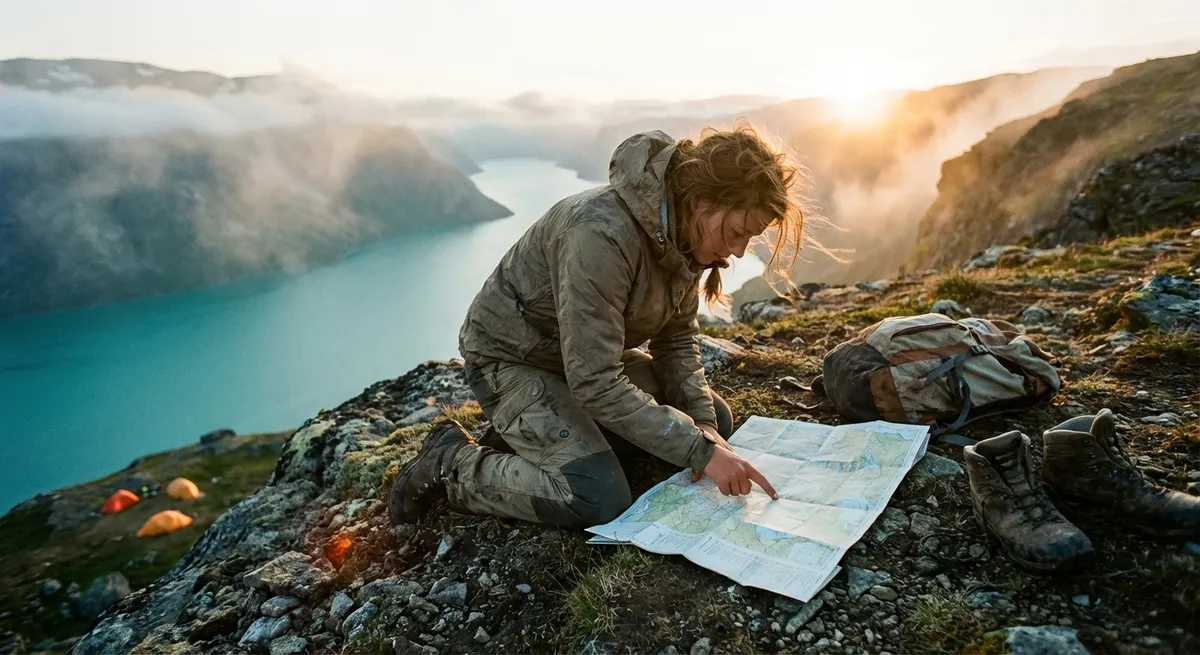
You don’t have to quit your job, sell your stuff, or move into a van. You just need one decision that tilts your next trip away from safe and predictable, and toward memorable and alive. Start with one of these five adventure switches you can flip on your very next getaway.
Sleep Where The Sky Is The Ceiling
Skip the standard hotel and build an overnight that feels like an expedition, not a transaction. Think mountain huts reached only by footpath, desert camps lit by a single lantern, or cliffside cabins where the ocean is louder than your thoughts. The moment you unzip a tent to a curtain of pink sunrise, or slide open a cabin window to cold alpine air, you’re no longer “staying” somewhere—you’re inhabiting it.
To pull this off, search for huts, refuges, or eco-lodges instead of city-center hotels, especially near national parks or long-distance trails. Pack a lightweight headlamp, a warm layer you’ll be grateful for at 3 a.m., and a small notebook to capture the thoughts that only show up when Wi‑Fi disappears. Ask locals or guides about safe wild-camping zones or communal shelters that don’t appear on standard booking sites. One night under a big, indifferent sky is often the moment a normal trip first starts feeling like an adventure.
Chase Sunrise Instead Of Nightlife
Most travelers remember late nights; adventurers remember early ones. Setting an alarm for an hour when sane people are asleep is a small rebellion with a massive payoff. Imagine hiking a short trail in the pre-dawn hush, city lights fading behind you, then watching the first sunray ignite a ridge, a bay, or a skyline you’ve only seen in full daylight. The world feels like it belongs to you and a few birds.
Before you travel, scout sunrise viewpoints instead of brunch spots—look for bridges, hills, lakefront paths, rooftop terraces, or coastal cliffs. Pack a compact thermos for hot coffee or tea and lay out your clothes and gear the night before so you can move in a sleepy autopilot. If you’re in a city, walk a little farther than the “obvious” spot; quieter corners often feel more cinematic. The choice to see a place wake up, rather than just pass through it at midday, flips the entire emotional tone of your trip from passive to intentional.
Turn One Normal Day Into A Micro‑Expedition
You don’t need a week-long trek to feel like an explorer; you need one day that’s structured like an expedition, not an errand. Pick a single goal—reaching a lighthouse, summiting a nearby hill, crossing town entirely on foot, tracing a river from city center to where it widens into open water. The key is committing to the journey as the point, not just the destination photo.
Plan it like you would a “real” adventure: study the map the night before, mark water stops or small cafés, and pack a basic day kit—snacks, a reusable bottle, a power bank, a light jacket, and a minimal first-aid stash (plasters, painkillers, blister care). Invite your travel partner to treat the day as “phones on airplane mode unless needed.” Log tiny triumphs along the way: a shortcut discovered, a viewpoint no one pin-dropped, a conversation with a stranger who reroutes you. One fully claimed day like this has the power to become the anchor memory of your entire trip.
Swap Passive Tours For Skills You’ll Take Home
Adventures that end at the souvenir shop fade quickly; adventures that hand you a new skill linger for years. Instead of a generic bus tour, hunt down experiences where you’re not just watching—you’re learning. This could be a basic climbing course on local crags, a navigation workshop with a mountain guide, a sea-kayak introduction in calm coastal waters, or a cold-water swimming lesson with locals who know the tides.
Research community clubs, outdoor schools, and guide collectives at your destination—many offer single-day intro sessions. Choose something that’s one notch outside your comfort zone, not five: your goal is “I can do this with guidance,” not white‑knuckled terror. Bring a small notebook or use your phone to jot down what you learn: knots, hand signals, technique cues, safety checks. When you fly home with a new skill in your pocket, every future weekend suddenly holds more potential. That’s when your identity quietly shifts from “I like to travel” to “I know how to move through the world.”
Let Weather Rewrite Your Itinerary (On Purpose)
Most travelers fight the weather; adventurers collaborate with it. Rain, wind, heat, and cold are not trip-ruiners—they’re mood-shifters that can turn ordinary settings into story-worthy scenes. A sudden downpour might empty a famous plaza so you can have it nearly to yourself. A stormy coastline can be far more dramatic than the same view under clear blue skies. Mist over a lake, heavy clouds low over a canyon, or fresh snow on a forest path changes how your senses read a place.
Instead of obsessively refreshing the forecast, treat it as a creative prompt. Pack for flexibility: a breathable waterproof shell, quick-dry layers, and shoes you’re okay with getting muddy. Build “weather switch” options into your plans—can that coastal hike become a moody café‑to‑café walk with detours to viewpoints if the wind picks up? Could a scorching afternoon push you toward shaded canyon trails, river paddles, or evening explorations instead? When you stop demanding perfect conditions and start playing with what the day gives you, the entire map opens up.
Conclusion
Adventure isn’t a fixed destination reserved for the fearless; it’s a series of small, deliberate choices that tilt your trip away from scripted and toward alive. Sleep under a bigger sky than you’re used to. Meet the sunrise halfway. Claim one day as an expedition, not an errand. Learn something with your hands and body, not just your camera. Let the weather co‑author your story instead of deleting your plans.
Your next great adventure doesn’t start with a viral reel or a dream budget—it starts the moment you decide your trip can be more than a checklist. Pick one of these switches, flip it on your next journey, and let the coordinates of your comfort zone quietly shift forever.