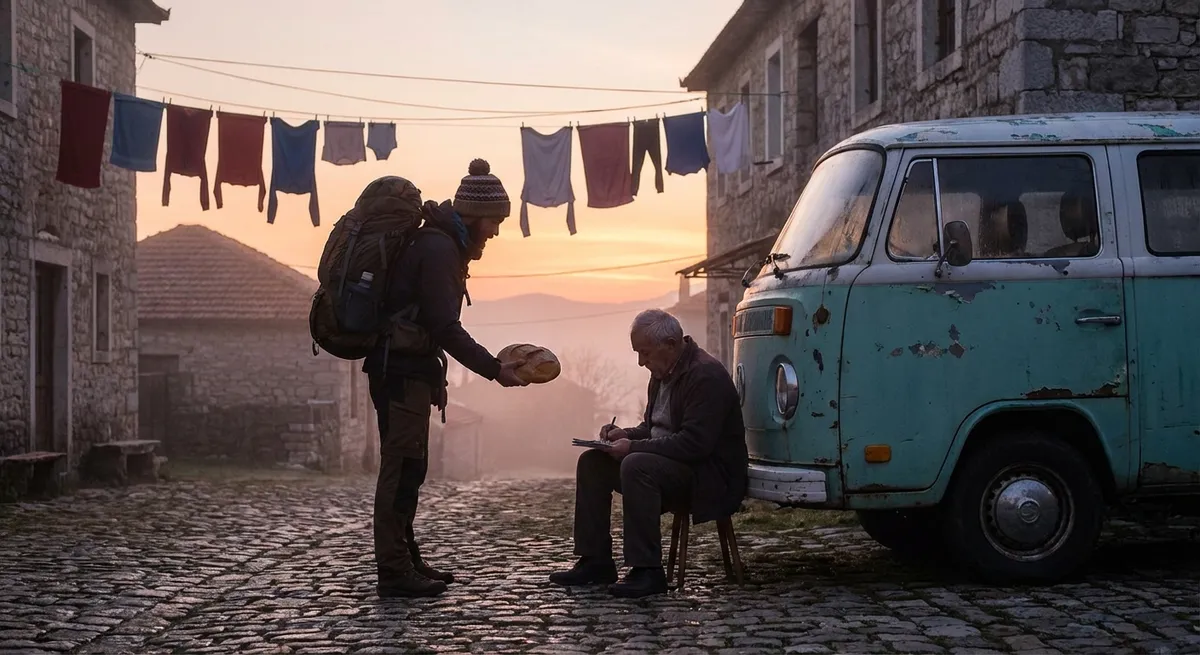
This is your invitation to stop racing through postcards and start living inside them, without draining your bank account.
Why Moving Slower Cuts Costs (and Unlocks More Adventure)
When you travel fast, you pay for speed: constant transportation, last-minute bookings, and the pressure to “do it all.” Slow travel flips that script. Stay in one place longer, and your daily costs drop, while your experiences multiply.
Many guesthouses, homestays, and apartments offer serious discounts for weekly or monthly stays. Public transit suddenly makes sense when you’re not in a rush, and walking becomes your primary “vehicle”—free, healthy, and immersive. You’ll find local markets instead of tourist restaurants, free festivals instead of expensive tours, and parks, waterfronts, and neighborhoods that never show up on brochures.
By trading velocity for depth, you stop burning cash on constant movement and start investing in the joy of actually belonging somewhere, even if just for a little while.
1. Sleep in Story-Filled Spaces, Not Sterile Hotels
The most unforgettable stays rarely come with crisp lobbies and room service—they come with shared breakfasts, rooftop sunsets, and conversations that stretch late into the night.
Hostels, guesthouses, and homestays can be dramatically cheaper than hotels, especially if you’re open to dorm beds or simple private rooms. Beyond price, they’re networking goldmines. Notice boards overflow with ride-shares, local gigs, and free walking tours. Kitchens let you cook your own meals, and common rooms connect you with travelers who’ve just “been where you’re going next” and are eager to share hacks.
In many destinations, locally run guesthouses offer cultural immersion: you might help cook a family meal, join in a village celebration, or learn a few phrases in the local language. Apps and platforms focused on homestays and vacation rentals often feature discounts for long stays—unlocking comfortable, story-rich lodgings at hostel-level prices when you commit to a week or more.
Choosing accommodation with character doesn’t just save money—it layers your trip with friendships and experiences that no hotel loyalty program can match.
2. Eat Like You Live There: Markets, Side Streets, and Shared Tables
If you want to slash your budget without shrinking your adventure, start with your plate. Tourist restaurants orbit around landmarks and charge for the view. Locals head in the opposite direction—follow them.
Street food scenes around the world deliver fresh, fast, and wildly affordable meals: think steaming dumplings, sizzling skewers, piled-high tacos, or fragrant curries. In many countries, a market stall or street-side kiosk will serve the dish they’ve perfected over decades, at a fraction of restaurant prices. Look for busy stands with high turnover—locals lined up are your best quality assurance.
Self-catering is another quiet superpower. Hit local markets or supermarkets, buy fresh ingredients, and cook at your hostel or rental. Shared kitchen dinners can turn strangers into travel companions. You don’t have to cook every meal; even replacing one restaurant meal per day with a homemade or market-bought picnic can free up huge chunks of your budget.
When you eat like you live there, you’re not just saving money; you’re tasting the daily rhythm of the place—and that’s the kind of flavor no fine dining menu can replicate.
3. Ride the Same Routes as Locals: Trains, Buses, and Boats
Taxis and private transfers can dissolve your budget before you’ve even unpacked. The alternative is where real adventure lives: public transport.
City metros, trams, and buses are usually the cheapest way to move—and often the fastest during rush hour. Day passes, weekly cards, and reloadable transit cards can drop your per-trip cost dramatically. Beyond price, these rides become micro-portraits of local life: school kids with uniforms and headphones, office workers glued to their phones, street vendors hopping on and off with baskets and bags.
For longer distances, night buses and trains do double duty: they transport you and cover your accommodation at the same time. In many regions, regional trains or shared minibuses offer scenic, low-cost journeys that private tours can’t touch. Ferries and local boats, where available, are often a budget-friendly way to experience coastlines and rivers that tourists usually pay premium prices to cruise.
When you choose the routes locals actually use, every journey becomes part of the story instead of dead time between “real” experiences.
4. Turn Skills into Travel Fuel: Volunteering and Work Exchanges
If you’re willing to give your time and skills, the world opens up in surprising ways. Work exchanges and volunteering can offset big expenses—especially accommodation—while anchoring you in a community instead of leaving you orbiting around it.
Farm stays, eco-lodges, hostels, and community projects often host travelers who help with tasks like reception work, gardening, language practice, social media, carpentry, or teaching in exchange for a place to sleep and sometimes meals. This doesn’t mean working for free; it means trading a few hours of your day for a dramatically lower cost of living and a deeper sense of purpose.
It’s essential to choose ethical, well-reviewed programs that genuinely benefit locals and respect labor laws. But when done right, these exchanges can add structure to long trips, give you a reason to stay longer in one spot, and fill your days with people you’d never have met otherwise.
Instead of burning savings in a series of short, expensive vacations, you’re building a lifestyle where your efforts literally keep you on the road.
5. Chase Free Moments, Not Pricey Attractions
Some of the best experiences on earth still don’t cost a cent. When you stop assuming that “expensive” equals “worth it,” your eyes adjust to a different kind of magic.
Public parks, viewpoints, and coastal paths are outdoor theaters showing daily performances of local life: families picnicking, pickup soccer games, morning tai chi, evening runs, and golden-hour photography sessions. Many cities offer free museum days or hours each week—plan around them to see world-class art and history without the price tag. Churches, temples, and historical neighborhoods often welcome visitors for free or for a small donation.
Free walking tours, usually tip-based, are a powerful orientation tool: local guides share stories, hidden corners, and practical tips that help you avoid tourist traps. Festivals, parades, open-air concerts, and cultural celebrations can turn an ordinary day into something unforgettable—and most of them are either free or low-cost.
When your itinerary revolves around experiences instead of entry fees, you’re never “missing out” because you skipped the priciest attraction. You’re simply choosing a different kind of wealth.
Conclusion
Budget travel isn’t a downgraded version of “real” travel—it’s a different philosophy. You trade speed for depth, luxury for connection, and rigid plans for curiosity. You learn to trust that the most meaningful parts of a journey won’t be bought; they’ll be discovered.
By slowing down, staying longer, moving like a local, and letting your skills and curiosity carry you, you turn the whole world into a place you can afford—not just once, but again and again. The question isn’t whether you have enough money to travel; it’s whether you’re willing to travel in a way that lets adventure grow from the space you create, not the cash you spend.
Your next chapter doesn’t have to wait for a bigger paycheck. It’s waiting at the bus stop, in the market, on the hostel rooftop, in the places you can only find when you stop rushing past.
Sources
- U.S. Bureau of Labor Statistics – Consumer Expenditures on Travel – Data on how travelers typically spend money, useful for understanding which categories (like lodging and transportation) offer the biggest savings opportunities
- European Commission – Passenger Rights and Public Transport – Information about using public transportation across Europe, including rights and regulations relevant to budget travelers
- Hostelling International – Global network of hostels with information on affordable, community-oriented accommodations and member discounts
- USDA – Local Food Directories & Farmers Markets – Example of how to locate local markets in the U.S., a model for seeking fresh, affordable food while traveling
- Workaway Official Site – Platform that connects travelers with hosts offering work exchanges for accommodation and cultural immersion