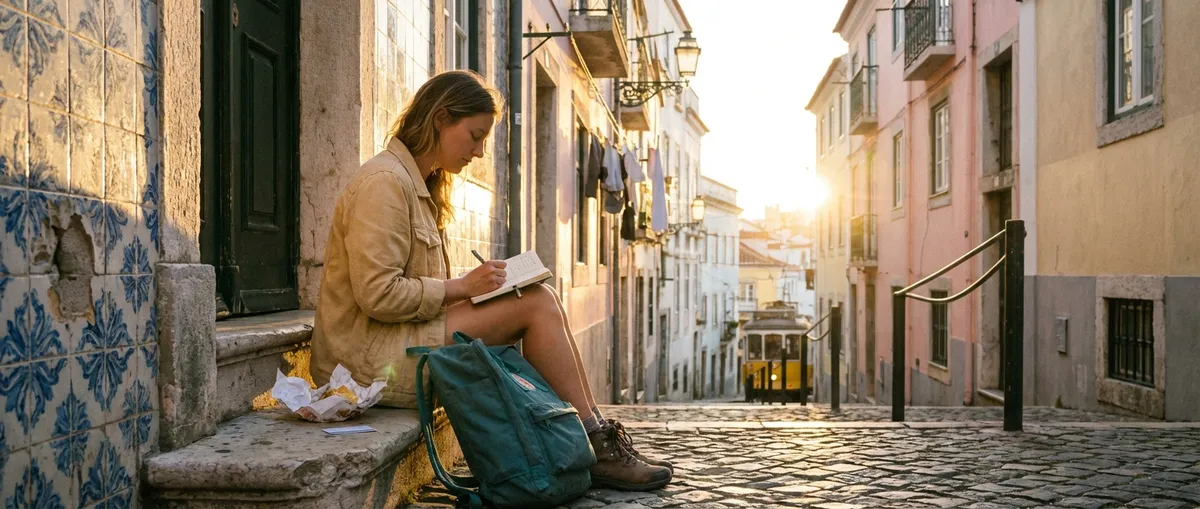
When you stop chasing the version of travel sold to you by glossy ads and start designing your own, every bus ticket, street snack, and sunrise becomes a conscious choice. That’s where adventure lives—right at the edge of your comfort zone and your wallet. Here’s how to turn a limited budget into an unlimited story.
Turn Getting There Into The First Adventure
Most travelers treat transit like a necessary evil—just something to endure between home and “the real trip.” That mindset burns cash fast. Flip it. Let the way you move become part of the adventure. Take the slower regional train that wanders through villages instead of the express; ride a long-distance bus where locals lug crates of fruit and gossip in the aisle; hop a shared taxi and practice a few words in the local language with the driver. These choices are usually cheaper and infinitely richer in stories. Pack snacks, download offline maps, and keep a small notebook for details you don’t want to forget: the song the driver played on repeat, the smell of diesel and rain at a dusty border stop, the woman who insisted you try her homemade pastry. When “getting there” becomes alive with moments like these, you’ll stop wishing for shortcuts—and your bank account will quietly thank you.
Sleep Where Stories Happen, Not Where Logos Glow
Luxury hotels are built to keep the world out; budget stays invite it in. Swap the predictable lobby and identical hallways for guesthouses, hostels, farm stays, and family-run inns that cost a fraction of the price. This is where you’re more likely to be handed a steaming cup of tea on arrival or pointed to a hidden sunset spot no guidebook has caught yet. Check reviews with a sharp eye for cleanliness and safety, then choose one place that clearly buzzes with community rather than perfect decor. Opt for shared dorms or private rooms with shared bathrooms to cut costs while meeting people who might become your hiking buddy or bus-ride companion the next day. Ask hosts frank questions: “Where would you eat if you had 5 euros?” or “What’s your favorite cheap day trip from here?” By sleeping where the stories circulate—over kitchen tables, rooftop terraces, and courtyard benches—you wake up richer in connection, not poorer in cash.
Eat Like You Live There, Not Like You’re Escaping It
Restaurant districts near major sights are designed to drain your budget and distance you from real flavor. Walk three blocks away and the prices drop while the authenticity spikes. Follow the rule: if the menu is only in English and there are more cameras than kids or construction workers, keep walking. Look for tiny places with handwritten signs and steaming pots you can smell from half a street away. Street food isn’t just cheap—it’s a crash course in the local heartbeat. Watch how people order, copy them, and don’t be afraid to point and smile when you can’t pronounce a dish. Visit markets in the morning, buy fruit, bread, cheese, or local snacks, and build simple picnic-style meals that let you eat under a cathedral arch, on a pier, or near a city fountain. Cooking in hostel kitchens with ingredients from neighborhood shops stretches your budget and pulls you into rhythms of daily life you’d miss from behind a white tablecloth.
Hunt Free Wonders Before Paid Attractions
Every city tries to sell you tickets before it introduces you to its free soul. Flip that script. Before you book a single tour or attraction, hunt down what costs nothing but curiosity: public viewpoints, city parks, riverside walks, open-air markets, street art alleys, neighborhood festivals, and free museum days. Start your trip with a long, wandering walk instead of a line at a ticket booth. Let your feet find side streets, community gardens, and outdoor staircases that the glossy brochures forget to mention. Use local tourism websites or city apps to find free walking tours (tip your guide well), cultural events, and open-air concerts. Often, you’ll discover that the moments that move you most—the kid kicking a ball between old city walls, the impromptu musician on a bridge, the way evening light hits a row of laundry-strung balconies—don’t cost a cent. Once you’ve soaked in those, choosing which paid experiences are truly worth it becomes easier and far more intentional.
Pack A “Budget Power Kit” That Turns Limits Into Freedom
Your gear can quietly leak your money—or protect it. Build a simple “budget power kit” that keeps you flexible and independent. A reusable water bottle saves you from constant drink purchases, especially where tap water is safe. A compact, packable tote bag lets you skip plastic bags and carry market finds. A lightweight scarf or sarong can become a blanket on cold buses, a beach towel, a makeshift curtain in hostel bunks, or impromptu shade during long walks. Offline maps and translation apps help you choose cheaper local options without fear of getting lost. A tiny first-aid pouch—painkillers, bandages, rehydration salts—can prevent emergency pharmacy runs. Finally, a small notebook or digital note habit where you track expenses in real time turns your budget into a game, not a source of anxiety. The more prepared you are, the less you’ll pay for convenience—and the more confidently you’ll say “yes” when the unexpected adventure appears.
Conclusion
When you strip travel back to its essentials, you’re not left with less—you’re left with the stuff that actually matters. Shared jokes with strangers on a rattling bus. The taste of street food eaten on a curb because you couldn’t wait to sit down. A city skyline discovered from a hill no guide ever mentioned. Budget travel isn’t a consolation prize for people who “can’t afford” the real thing. It is the real thing.
If you’re willing to trade glossy perfection for raw, unpredictable experiences, your wallet stops being a barrier and becomes a quiet ally. Start where you are, with what you have. Choose the slower road, the smaller room, the cheaper meal—and watch how your world gets bigger with every choice.