Stretch Your Currency by Traveling in the “Between” Seasons
The richest travel days often live between extremes—between high and low season, weekday and weekend, hot and cold, crowded and empty. This “shoulder season” timing is one of the most powerful tools in a budget traveler’s toolkit.
When you avoid peak season, flights can drop dramatically, hostels and guesthouses offer deals, and popular sights breathe again. Think cherry blossoms after the selfie storm, or Mediterranean coasts when the heat has eased and the locals have reclaimed their streets. You’ll spend less, but you’ll also experience more: staff who have time to talk, quieter train platforms, and city squares where you can actually hear the music drifting out of open windows.
Plan around school holidays in your home country and your destination, and use simple date-flexible search tools to find cheaper days to fly. You might discover that leaving on a Tuesday dawn flight and returning on a Thursday night opens up a trip you thought was out of reach. The “between” season is where value and magic meet—less line, more life.
Turn Sleeping Arrangements into Adventure, Not Just a Bed
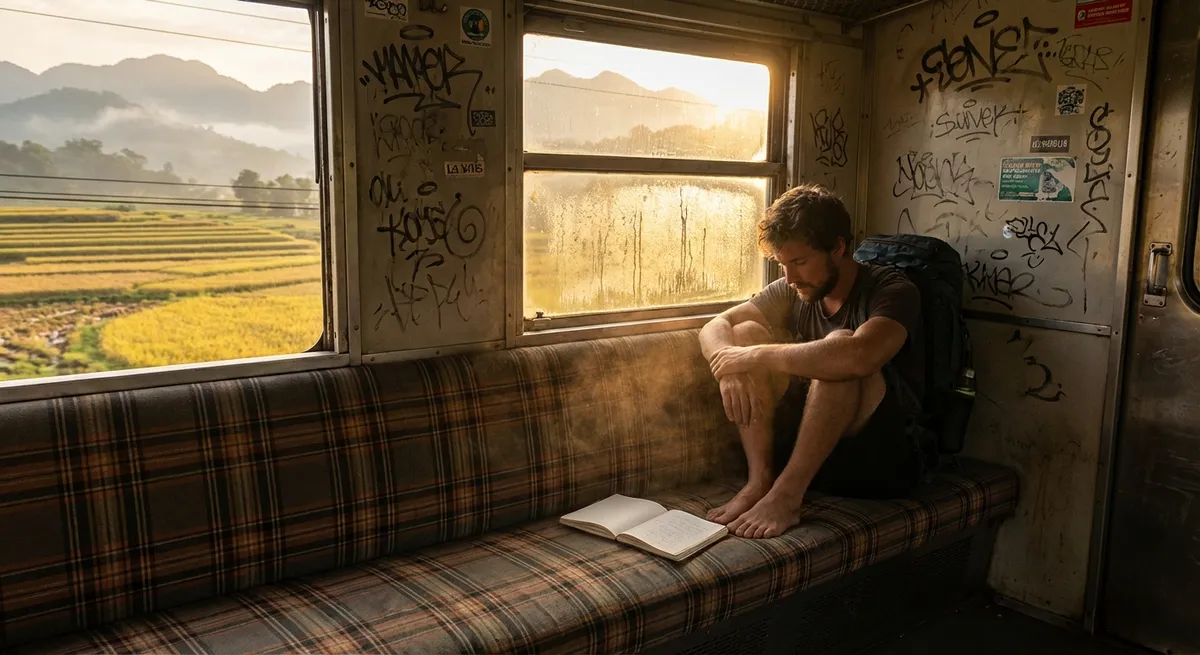
On a budget, where you sleep becomes part of the story rather than just a logistical checkbox. A dorm bunk in a mountainside hostel can turn into a campfire night with strangers-turned-friends. A family-run guesthouse can reveal a region’s flavor more deeply than any guidebook. Even an overnight train can double as both transportation and accommodation, saving money while delivering you to a sunrise in a new city.
Instead of hunting only for the cheapest option, look for the most experience-rich choice at a budget price. Hostels with communal kitchens and shared tables invite language exchanges and impromptu trip plans. Farm stays and rural homestays connect you directly to local traditions—and often include meals that would cost far more in restaurants. In some cities, university dorms open to travelers during school breaks, giving you a clean, central base at student-friendly prices.
Always check reviews carefully, especially when a price seems too good to be true, and balance savings with safety and location. The goal isn’t just to lie down somewhere affordable—it’s to wake up somewhere that deepens your journey.
Let Street Food and Markets Be Your Guidebook
If you want to know a place without spending a fortune, follow the scent of food being cooked in the open. Street food stalls, market counters, and tiny neighborhood eateries are some of the best budget travel allies you’ll ever find.
Eating where locals eat usually means lower prices, fresher ingredients, and flavors that haven’t been diluted for tourists. Markets offer more than fruit and spices; they’re live storytelling—the way vendors call out, the rhythm of bargaining, the regional specialties piled in bright, chaotic stacks. For the price of a single sit-down restaurant meal, you might graze all day on snacks and small plates, each one introducing you to a new taste or cooking style.
Keep your approach smart: look for busy stalls with a high turnover of food, check for basic hygiene, and watch what locals order. Where tap water isn’t safe to drink, refill a reusable bottle with filtered or bottled water instead of constantly buying single-use plastic. Learn just a handful of phrases—“What do you recommend?”, “Is it spicy?”, “Thank you”—and you’ll find that street vendors become informal guides, pointing you toward neighborhoods and experiences you might never have found in your research.
Use Slow Travel to Turn One Ticket Into a Thousand Moments
When you’re watching your budget, speed is expensive. Fast travel—hopping from city to city, cramming in sights, racing the clock—devours money, energy, and attention. Slow travel, on the other hand, stretches both time and cash.
Staying longer in fewer places often means you can negotiate better rates on accommodation, discover affordable weekly transit passes, and find “locals’ prices” simply by becoming a familiar face. You stop paying to rush and start investing in depth: lingering in a park with a book, attending a neighborhood festival you saw on a flyer, or learning that the best viewpoint isn’t the one marked on the tourist map, but the hill where everyone goes for evening walks.
Walk whenever you can. Use buses, trams, and metro lines instead of taxis. Consider regional trains instead of flights—they’re often cheaper, and watching the landscape roll past your window becomes part of the experience. Slow travel isn’t about doing less; it’s about doing what matters most, with enough time to notice everything.
Build a “Skill Passport” So Your Budget Takes You Further
Money is one kind of currency; skills are another. The more you can offer, the more doors open—often for free or dramatically reduced cost.
Language basics are powerful: a few sentences in the local tongue can lead to extra help, better tips, and genuine connection. Cooking skills let you turn market ingredients into hostel feasts instead of restaurant bills. If you can teach yoga, photography, surfing, or basic coding, you might be able to trade classes for discounted stays or community access. Some organizations offer volunteer programs where your time and skills support conservation projects, hostels, or festivals in exchange for lodging or meals.
Before you go, invest in yourself: learn how to navigate public transit apps, read basic maps offline, and handle simple bike or gear repairs if you’ll be outdoors. Use free online resources to pick up destination-specific etiquette and cultural norms, so you avoid costly mistakes—or unintentional rudeness. The more capable and adaptable you are, the less you’ll need to throw money at every challenge.
Conclusion
Budget travel is not the “lesser” version of travel; it’s the raw, electric core of it. When you’re counting coins, you notice more: the side streets that reveal themselves when you walk instead of ride, the taste of a meal you can’t fully name but will always remember, the strangers who step in to help when you’re clearly figuring it out as you go.
You don’t need permission or perfection to begin. You need a starting point, a rough plan, and the courage to let the world surprise you. Spend thoughtfully, travel slowly, trust your curiosity, and measure the worth of your trip not in stars or splurges but in the stories you bring home—stories that can only be written when you trade comfort for a life that finally feels wildly, vividly alive.
Sources
- U.S. Department of State – Travel Advisories - Official safety and advisory information to consult before choosing budget destinations and routes
- European Travel Commission – Seasonality Insights - Reports and data that highlight travel patterns and the benefits of shoulder-season tourism
- Hostelling International - Global network of hostels with information on budget stays, amenities, and community-focused accommodation
- Centers for Disease Control and Prevention – Travelers’ Health - Guidance on staying healthy while traveling, including food and water safety tips relevant to street food and markets
- Lonely Planet – Budget Travel Tips - Practical advice and examples for planning and executing low-cost trips around the world