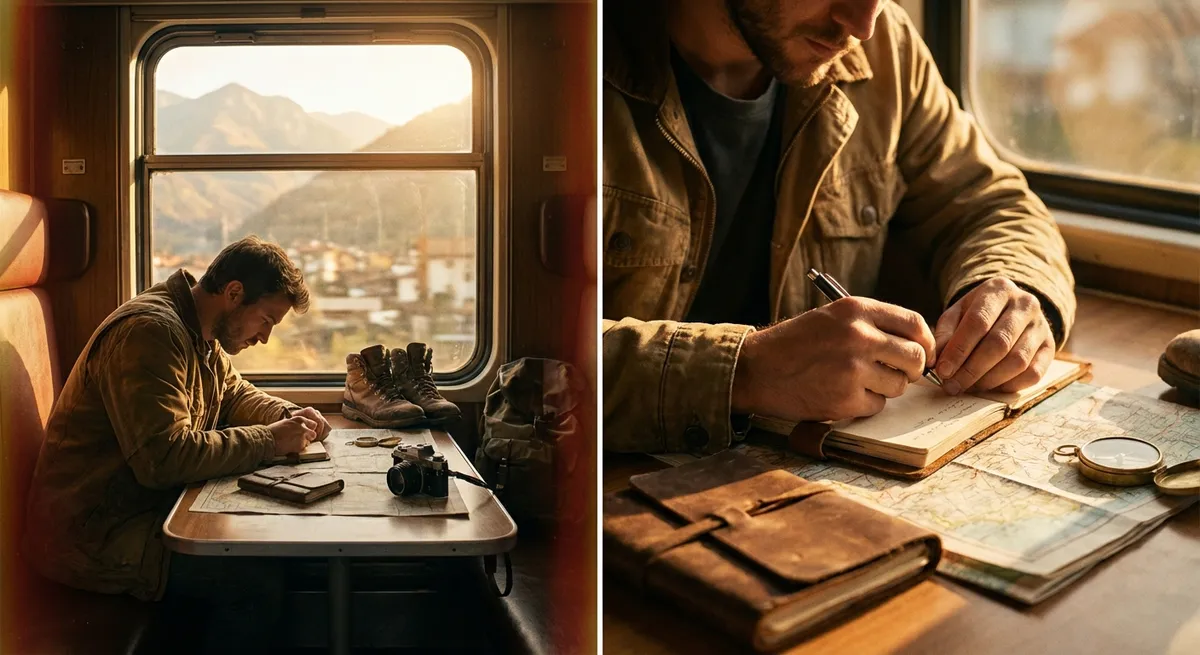
Chase Dawn and Dusk: Own the Edges of the Day
The hours most travelers sleep through are the hours the world quietly reveals itself.
Set your alarm for a sunrise walk—before the streets fill and the day hardens into routine. At dawn, cities feel like a backstage pass: bakers sliding bread from ovens, shopkeepers raising shutters, joggers tracing quiet rivers, fishermen returning from the night. You see how a place wakes up, not just how it performs for visitors at noon.
Dusk is the opposite edge of the same magic. This is when locals wander to parks, riversides, and plazas; when the sky glows behind skylines and mountains; when street food stalls ignite their grills and conversations get louder and warmer. Use these bookends of light to orient yourself: go without your headphones, follow your curiosity down side streets, and let your first and last impressions of each day be shaped by real life, not just attractions.
From a practical angle, dawn and dusk also give you cooler temperatures, softer light for photos, and calmer crowds. If you structure your trip around these edges—siesta or slow time in the harsh midday, exploration and wonder during golden hours—you’ll experience the same city as if it were two different worlds.
Learn the Local Rhythm: Move With the City, Not Against It
Every destination has a pulse: meal times, rush hours, quiet moments, weekly rituals. The quickest way to feel like an outsider is to fight that rhythm; the quickest way to feel part of a place is to flow with it.
Start by watching: When do cafés actually fill up? What time do families eat dinner? When do markets buzz? Instead of imposing your schedule, tune into theirs. If a city lunches at 2 p.m., resist eating at noon—lean into the local timeline. If shops close mid-afternoon but stay open late, use that downtime for a nap, a journal session, or a slow walk.
Ask locals simple, respectful questions:
- “What time do people usually eat dinner here?”
- “Is there a day of the week the city feels special?”
- “Where do you go when you want to relax after work?”
Then experiment. Go where people actually go—parks on Sunday, riversides at sunset, food stands outside offices at lunch. Adapting to the rhythm won’t just help you avoid crowds and tourist traps; it will change how you feel in your own skin. Instead of constantly adjusting or hurrying, you’ll be carried along by the natural tempo of your surroundings—and that’s when authentic moments tend to find you.
Turn Every Walk Into a Mini-Quest
Wandering is wonderful, but purposeful wandering is unforgettable.
Instead of just “going for a stroll,” give yourself a simple, playful quest for the day, and let it lead you through layers of a place you’d otherwise miss. For example:
- Find three local snacks you’ve never heard of and taste them all.
- Track down the quietest viewpoint in the city (ask three locals for their pick).
- Follow a river, tram line, or backstreet from end to end, just to see where it takes you.
- Seek out local street art or murals and piece together the neighborhood’s stories.
These quests sharpen your attention. Suddenly a narrow alley isn’t just an alley; it’s a potential shortcut to your goal. A grandmother selling pastries by the curb isn’t background—she’s a person you can buy from, smile at, and maybe ask about her favorite hidden corner.
Practically, mini-quests also keep overwhelm at bay. Instead of trying to “see everything,” you give yourself a clear, fun mission. You still stumble on unexpected churches, courtyards, and vistas—but you do it with a narrative running through your day. And when the day is over, you’ll remember it not as “the day we walked around,” but as “the day we chased the city’s quietest view and found that tiny bakery on the way.”
Make Your Bag a Basecamp, Not a Burden
Freedom on the road starts with what you don’t carry.
Think of your day bag as a mobile basecamp: a lean, reliable setup that supports curiosity instead of weighing it down. The more mental energy you spend wrestling with luggage, reorganizing your pack, or worrying about valuables, the less you have left for adventure.
Curate a simple, repeatable loadout:
- A light layer that works for sun, wind, or overzealous AC.
- A refillable water bottle to cut plastic waste and keep you energized.
- One small, secure pouch for essentials: passport (if needed), backup card, emergency cash.
- Offline maps and key reservations downloaded to your phone.
- A tiny “comfort kit”: bandage, pain relief, hand sanitizer, tissue, and any medication.
Keep this the same nearly every day so it becomes second nature—no constant rethinking. Your bigger luggage should feel like a docked ship; your day bag like a nimble kayak.
This minimal, intentional setup has a powerful side effect: it makes spontaneity safe. If a local invites you to a nearby town, a viewpoint, or a family-run restaurant across the city, you can say yes without hesitation. Your gear is under control, your essentials are with you, and you’re free to follow the day wherever it wants to go.
Leave Space in Your Itinerary for “Yes”
The most memorable travel stories rarely start with a calendar invite. They start with a small, unexpected question: “Do you want to come with us?”
To meet that question with a genuine yes, your schedule needs air in it. Instead of stitching every hour to a ticket, tour, or reservation, design your days with deliberate gaps: unscheduled mornings, open evenings, or free afternoons between major sights.
Use that white space to:
- Follow your nose into a café that looks too good to ignore.
- Sit in a square and simply watch life unfold.
- Join a street performance, a local game, or a workshop you didn’t plan.
- Say yes when someone suggests a side trip, a neighborhood bar, or a market you’ve never heard of.
This flexibility doesn’t mean being careless with safety or money; it means valuing serendipity as much as checklists. The paradox: the more rigidly you plan, the more your trip will resemble everyone else’s. The more you leave room for the unknown, the more the journey starts to feel like it was meant just for you.
Travel is, at its core, a conversation between you and the world. If you fill every minute, you leave no space for the world to answer back.
Conclusion
The difference between a nice trip and a life-shaping adventure isn’t luck—it’s how you show up.
Own the edges of the day so you see places when they’re most themselves. Tune into local rhythms until the city’s heartbeat feels like your own. Turn every walk into a quest, make your bag a basecamp, and leave deliberate space in your plans for that magical, unscripted yes. When you travel this way, destinations stop being boxes to tick and become chapters in a much bigger story: the story of how you move through the world.
Your next journey doesn’t have to be longer, farther, or more expensive to be extraordinary. It just has to be lived with intention, attention, and a willingness to be surprised. The map is waiting—but the edge you bring is what turns it into an adventure worth remembering.
Sources
- U.S. Department of State – Traveler’s Checklist - Official guidance on documents, safety, and preparation before traveling abroad
- Centers for Disease Control and Prevention – Travel Health - Up-to-date health advice, vaccinations, and destination-specific recommendations
- Lonely Planet – Travel Tips and Articles - Practical, experience-based advice on planning, packing, and making the most of a trip
- National Geographic Travel – Photography and Exploration Guides - Inspiring stories and visual guides on exploring destinations and capturing them thoughtfully
- Harvard Business Review – Why You Need a Vacation - Research-backed insights into the benefits of travel, rest, and time away from routine