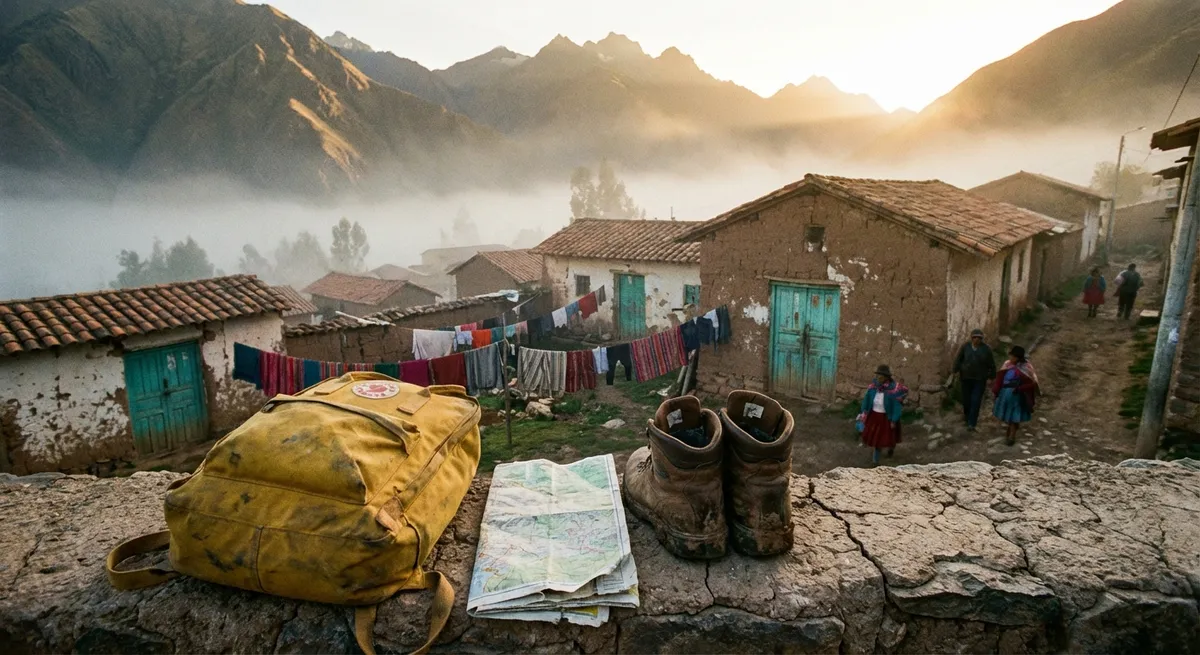
Below are five powerful shifts that turn budget constraints into your greatest adventure fuel.
1. Chase Experiences, Not Pricey Postcards
Iconic landmarks are dazzling, but they’re not the only way to feel the pulse of a place. When you travel on a budget, you’re pushed beyond the glossy brochure shots into the moments that actually stick with you: conversations, small surprises, and unscripted scenes you couldn’t have planned if you tried.
Skip the overpriced observation decks and wander local neighborhoods at golden hour. Trade fancy restaurants for bustling markets where your meal is cooked in front of you, and the air is thick with sizzling oil, spices, and shouted orders. Consider joining free city walking tours where guides share the stories that never make it into guidebooks—revolutionary murals, hidden courtyards, and cafés where artists hang out after dark.
Instead of organizing your trip around “must-see” attractions, organize it around “must-feel” experiences: hearing street musicians under a bridge, watching a city wake up from a hilltop viewpoint, or riding a rickety local bus just to see where everyone else is going. Costs less, imprints deeper.
Practical spark:
Before booking anything, write down three feelings you want from this trip (for example: “awe,” “freedom,” “connection”). Let those guide your choices more than any bucket-list article.
2. Turn Transport Into the Adventure, Not Just the Expense
Transportation is often your biggest line item—but also your biggest storytelling engine. Instead of treating flights and buses as dead time between “real” experiences, bake the adventure into how you move.
Overnight buses or trains can double as transportation and accommodation if you choose wisely, saving money and time. Slow ferries, regional trains, and shared minibuses are often cheaper than express options and offer a raw, unfiltered look at local life—school kids piling on with backpacks, vendors weaving through with snacks, landscapes rolling past like a living documentary.
Flying on a budget? Flexibility is your secret weapon. Shifting your departure by a couple of days or flying into a secondary airport can free up hundreds of dollars for the rest of your journey. Use flight search tools that show you a whole month of fares at once, then let the cheapest dates nudge your plan.
Practical spark:
Think of every long ride as a “moving basecamp.” Load up podcasts, offline maps, a journal, and a simple language phrase list. By the time you arrive, you’ll know how to greet people, order a meal, and say thank you—doors open faster when you try.
3. Sleep Smarter: Rethink Where “Home” Is on the Road
Lodging can drain your budget or amplify your adventure. The sweet spot lies in seeing your bed not as a status symbol, but a strategic decision: safe, clean, and well-located, with just enough comfort to recharge you for the next day’s explorations.
Hostels aren’t just for twenty-somethings; they’re hubs of information, last-minute plans, and instant community. Many offer private rooms, communal kitchens, and bulletin boards packed with cheap local tips. Guesthouses and family-run inns often cost less than big hotels and give you access to the best source of insider knowledge: your hosts.
In cities, staying slightly outside the tourist core can cut costs dramatically while still keeping you well-connected by public transit. In nature, camping or eco-lodges open up landscapes you’d never see from a standard hotel balcony—and the night sky is often the best “luxury amenity” you’ll ever get.
Practical spark:
Filter accommodations by “kitchen access,” “free breakfast,” or “near public transport.” Every meal you cook or train you catch instead of a taxi quietly multiplies your travel days.
4. Eat Like You Belong There (Your Wallet Will Thank You)
On a budget, food becomes a game of curiosity over convenience. Instead of worrying about missing “the best restaurant,” you’re free to follow the smells, the crowds, and the handwritten signs locals actually pay attention to.
Street food stalls, worker canteens, and small family-run eateries are often where the most authentic flavors live—at a fraction of the price. Look for queues of locals, short menus, and fast turnover: signs that the food is fresh, trusted, and fairly priced. Morning markets are treasure troves for breakfast on the go: fruit, bread, cheese, boiled eggs, and local specialties that cost less than a coffee in many major cities.
Grocery stores and markets are your silent allies. Grabbing ingredients for simple picnics lets you eat in parks, by rivers, or on rooftops if your hostel has one. You’re not just cutting costs—you’re shifting your dining room to the most scenic spots in town.
Practical spark:
Try the “one meal out, two meals simple” rhythm:
- 1 main meal at a local spot
- 2 lighter, DIY meals from markets or supermarkets
You’ll taste local life, avoid burnout from restaurant hopping, and stretch your budget without feeling like you’re rationing joy.
5. Plan With Intention, Leave Space for Serendipity
Budget travel shines when planning and freedom strike a truce. Too rigid, and you end up paying extra for last-minute changes. Too loose, and you can burn cash scrambling for same-day rooms or expensive connections you could’ve avoided.
Start by sketching a “skeleton itinerary”: your inbound/outbound dates, a few anchor destinations, and any big-ticket experiences that truly matter to you. Then deliberately leave open blocks of unscheduled time between them. That empty space is where magic happens—an extra night in a town that surprises you, a detour to a waterfall everyone at your hostel raves about, a day spent joining locals for a festival you didn’t even know existed.
Use your budget as a compass, not a cage. Allocate more for what lights you up (maybe that one jaw-dropping hike, museum, or dive trip) and trim on things you don’t care about (daily lattes, private taxis, flashy hotels). When every dollar has a purpose, you don’t feel like you’re cutting back—you feel like you’re investing in the right moments.
Practical spark:
At the end of each day, track your spending in broad categories: transport, bed, food, fun. Patterns emerge fast, and small adjustments can buy you extra days on the road without any sense of sacrifice.
Conclusion
Travel doesn’t become epic because you spent a lot; it becomes epic because you showed up fully awake. Budget travel demands that you pay attention—to prices, yes, but also to people, details, and opportunities that wealthier travelers might breeze past.
When you treat your limited budget as a creative constraint instead of a barrier, you start choosing with intention: the backstreet instead of the main drag, the slow train instead of the rush, the home-cooked dish instead of the safe option. That’s where the stories live.
You don’t need to be rich to stand on a cliff at sunrise, share jokes in a language you barely speak, or watch a city transform under neon and stars. You just need to start—with what you have, where you are—and trust that resourcefulness, curiosity, and courage are the real currencies of the road.
Sources
- U.S. Department of State – Travel Advisory & Safety Information - Official guidance on safety, visas, and entry requirements to help plan budget-friendly, secure trips
- World Tourism Organization (UNWTO) – Tourism Data & Insights - Global tourism trends and statistics that highlight how travel patterns and costs are evolving
- Budget Your Trip – Average Travel Costs by Country - Real-world budget estimates for accommodation, food, and transport in destinations worldwide
- Hostelworld – Budget Accommodation & Travel Tips - Platform and blog focused on hostels, budget stays, and community-based travel insights
- Lonely Planet – Budget Travel Articles - In-depth guides and stories centered on traveling affordably without sacrificing experiences