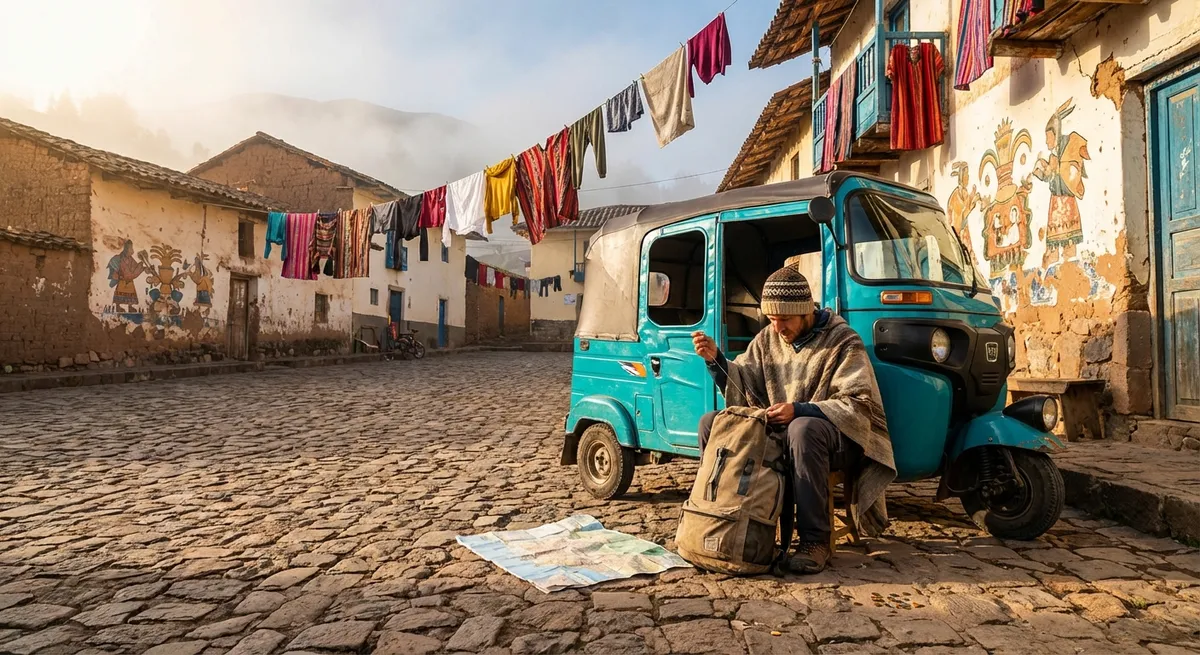
Below are five powerful ways to turn a tight budget into an unforgettable adventure—without sacrificing safety, meaning, or wonder.
1. Sleep Where the Stories Are, Not Where the Lobby Shines
Five-star hotels have polished lobbies; budget travelers have better stories.
Instead of defaulting to chain hotels, look for stays that plug you directly into local life. Family-run guesthouses, small inns, homestays, and hostels with private rooms often cost a fraction of big-brand properties while offering richer connections. You might share tea with your host on a rooftop in Amman, learn to make dumplings in a Beijing courtyard, or swap stories with cyclists in a rural Portuguese guesthouse.
Use booking platforms to filter by “guesthouse,” “homestay,” or “pension,” and then go beyond the photos. Read reviews for words like “welcoming,” “local tips,” and “home-cooked.” Lodging becomes more than a place to sleep; it becomes a portal into a neighborhood’s daily rhythm—early-morning market runs, the scent of bread from the bakery downstairs, kids walking to school in uniforms you’ve never seen before.
If hostels appeal to you, opt for smaller dorms or quiet floors, and check for secure lockers and 24-hour staffing. If privacy is a priority, private hostel rooms blend affordability with comfort. The goal isn’t merely a cheap bed—it’s a place where doors open, conversations start, and you feel safe enough to rest so you can roam further tomorrow.
2. Let Your Stomach Lead You to the Real City
On a lean budget, food becomes your most accessible adventure.
Skip expensive tourist restaurants with English-only menus in favor of where the line is long and the signage might be in the local language. Street food stalls, hole-in-the-wall eateries, and busy canteens are often where a city’s soul simmers. Watch what locals order, point, smile, and be willing to try the dish that makes you slightly nervous. That skewer grilled over coals in a side alley or that bowl of noodle soup slurped at plastic tables could rank among your lifetime favorites.
To keep both your budget and your stomach safe, follow a few simple rules: eat where food turnover is high, look for visible handwashing or gloves, and check local health guidance before you go. Build a rhythm that’s light on your wallet but rich on experience—grab breakfast from a bakery or market, sample street food for lunch, then sit down for a reasonably priced dinner in a neighborhood bistro slightly away from the main sights.
Visit supermarkets and local markets not just to save money, but to explore flavors. The cheapest picnic—fresh bread, local cheese or fruit, perhaps a regional drink—can be your front-row seat to a riverbank sunset or a hilltop overlooking a city skyline. Every meal becomes fuel for both your body and your curiosity.
3. Turn Transit Into Your Moving Classroom
On a budget trip, how you move is half the adventure.
Public transport, night trains, long-distance buses, and shared rides reveal more about a place than any quick flight ever will. That rattling tram through Lisbon’s backstreets, the overnight train cutting through Eastern Europe, or the cramped minibus across a mountain pass—all of them are rolling theaters of daily life. You see schoolkids nodding off, vendors hopping in to sell snacks, commuters glued to their phones, families chatting in languages you’re just beginning to recognize.
Use transit passes and travel cards when they’re available; they can slash your daily costs while giving you the freedom to hop off wherever looks intriguing. Walk whenever feasible—neighborhoods unfold slowly on foot. You’ll stumble into hidden courtyards, small galleries, or community parks you’d never find from a taxi window.
Overnight journeys can double as both transport and accommodation, saving money and stretching your radius. Just plan them carefully: check safety records, read recent reviews, and keep your essentials close. Pack snacks, a water bottle, an eye mask, and a light layer. Arriving at dawn in a new city after watching the landscape slide by is a particular kind of magic—like stepping into a new chapter before most of the world is even awake.
4. Use the “Free and Priceless” Rule for Unforgettable Days
Some of the best travel days are built around things that cost nothing at all.
Museums with free entry days, city walking tours that operate on tips, public festivals, waterfront promenades, hillside viewpoints, and local parks can fill your days with color and connection. When planning, look up “free events,” “public concerts,” or “community festivals” in your destination. You might find yourself under a canopy of lanterns at a night market, watching tango in a Buenos Aires square, or listening to jazz in a New Orleans park—no ticket required.
Adopt a simple rule: structure every day around at least one “free and priceless” experience. It might be watching sunrise over a harbor, exploring a historic neighborhood, hiking a nearby hill, or people-watching from a lively plaza. Then, layer in one paid experience that truly excites you—a museum you’ve dreamed about, a cooking class, a guided hike, a boat trip. When your spending is deliberate instead of scattered, each paid moment feels like a deliberate highlight.
This approach forces you to focus on depth, not volume. Instead of racing between overpriced attractions, you inhabit the city. You’ll start to recognize the rhythm of a place: when it wakes up, where it lingers, how it unwinds. While others chase tickets, you’re collecting atmosphere.
5. Design Your Own Challenges and Side Quests
Packing light doesn’t mean your journey has to be small. Turn your trip into a game.
Set personal challenges that cost little but reward you with stories. Decide you’ll learn five local phrases and actually use them. Challenge yourself to find the best $3 meal in every city you visit. Commit to saying “yes” to one invitation each week—whether it’s a local telling you about a viewpoint, a hostel mate suggesting a sunset swim, or a vendor recommending a neighborhood flea market.
You might choose to explore a city entirely by one form of transit for a day—only trams in Melbourne, only boats in Bangkok, only your own two feet in Edinburgh. Or you could do a “color quest,” spending an afternoon photographing only blue doors, red rooftops, or green market stalls. These playful constraints turn ordinary wandering into a focused, memorable adventure.
Budget travel often means more unscripted time—use it. Journal in a café between downpours. Sketch the skyline from a park bench. Talk to other travelers at a shared kitchen. These side quests don’t show up on booking sites, but they’re the threads that make your journey feel uniquely yours. Money might be tight, but your imagination doesn’t have to be.
Conclusion
Traveling on a budget isn’t a limitation; it’s an invitation—to notice more, to trade fancy for genuine, to let curiosity be your most valuable currency. When you choose homestays over hotel chains, street food over white tablecloths, buses over short flights, free experiences over packaged tours, and personal challenges over rigid itineraries, you step into a wilder, more vivid version of the world.
Your bank account might set some boundaries, but your sense of adventure defines the journey. Pack intention, flexibility, and a willingness to be surprised—and you’ll return not just with photos, but with a sharper sense of who you are and how boldly you’re willing to live.
Sources
- U.S. Department of State – Travel Advisories – Up-to-date safety information and guidance for international destinations
- World Health Organization – International Travel and Health – Health considerations, food safety tips, and vaccination advice for travelers
- Lonely Planet – Budget Travel Tips – Practical strategies for saving money on accommodation, food, and transport
- BBC Travel – Why Street Food Is the Ultimate Taste of a City – Insight into the cultural importance and appeal of street food around the world
- European Commission – Passenger Rights in the EU – Information on traveler rights when using public transport in European Union countries