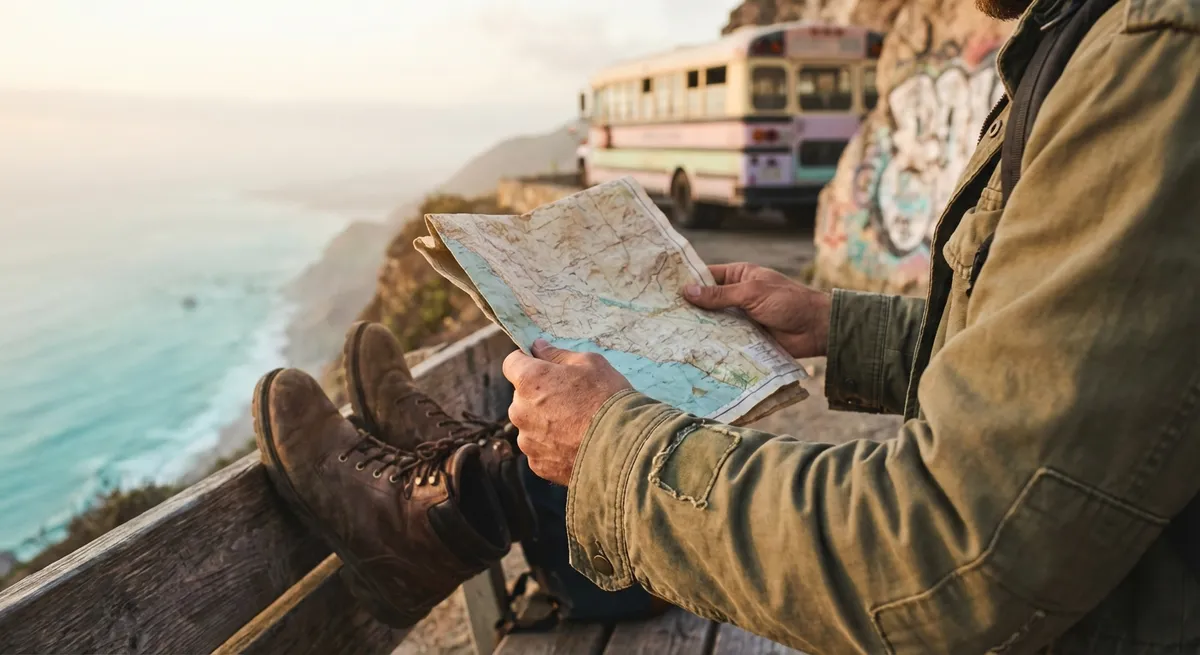
Below are five powerful ways to travel on a budget without shrinking the adventure. Each one is designed to stretch your money and expand your sense of what’s possible.
1. Sleep Where Stories Happen, Not Where Lobby Chandeliers Shine
Luxury hotels polish away the rough edges of a place. Budget stays usually place you right in the heartbeat of it.
Skip the glossy resort zone in favor of:
- Family-run guesthouses on side streets where the owner remembers your name and recommends their favorite bakery, not the tourist trap.
- Hostels with character, where your “lobby” is a communal kitchen full of mismatched mugs, half-finished conversations, and a world map full of thumbtacks.
- Simple homestays where you sip tea with your hosts, hear how they actually live, and learn to say “thank you” in their language before breakfast is over.
When choosing budget accommodation, prioritize:
- Location over luxury: Being able to walk to markets, parks, and neighborhoods beats a fancy room miles away.
- Shared facilities: Bathrooms or kitchens you share with others can cut costs dramatically while multiplying connections.
- Reviews about atmosphere: Look beyond star ratings and search for words like “welcoming,” “safe,” “social,” and “clean.”
In the end, the place you sleep should be a springboard into stories, not a glass box that separates you from them.
2. Turn Local Food into Your Daily Adventure
Budget travel shines brightest on a plate balanced on your knees beside a street vendor, or in a crowded local joint where the menu isn’t translated—and you order anyway.
Instead of defaulting to the closest restaurant with English signage, try:
- Markets at breakfast: This is where you’ll see a place wake up. Fresh bread, fruit, dumplings, empanadas—cheap, fast, and unforgettable.
- Street food tours—DIY or guided: Follow the longest line, not the biggest sign. Locals queue where the value and flavor meet.
- Set menus and lunch specials: Many countries offer affordable “menu of the day” options at midday—often the best food for the lowest price.
Practical moves that keep both your budget and energy up:
- Make lunch your main meal when prices are lower, and keep dinner simple.
- Refill a reusable water bottle where tap water is safe, or use purification tablets where it’s not.
- Shop supermarket basics (fruit, yogurt, bread, snacks) to avoid the “I’m starving so I’ll pay anything” trap.
Every time you eat like locals do, you aren’t just saving money—you’re tasting the real soul of the place.
3. Chase Experiences, Not Souvenirs
Travel memories grow brighter with time; keychains and trinkets mostly gather dust.
When you’re watching your budget, trade “stuff” for things that stretch your courage, curiosity, and connection:
- Free or low-cost experiences: Sunrise viewpoints, city walking tours, local festivals, public beaches, neighborhood parks, and open-air concerts often cost nothing—and feel like everything.
- Skill-building adventures: A cheap group cooking class, a dance lesson, or a language exchange night can become the highlight of your trip.
- Slow, immersive days: Choose one neighborhood, one trail, or one small town and sink into it. Talk to people. Notice ordinary life. Breathe instead of race.
A simple way to keep your budget aligned with your values:
Before you buy anything, ask, “Will this make a story I’ll still tell a year from now?”
If the answer is no, save the money for something that will.
4. Let Transport Become Part of the Adventure, Not Just the Cost
Your biggest savings often come from reimagining how you move.
Instead of seeing buses, trains, and ferries as the “cheap compromise,” treat them as front-row seats to the world unfolding outside your window:
- Long-distance buses and trains: Overnight journeys can double as transportation and accommodation, saving you one night’s stay and giving you a moving panorama of the country.
- Regional passes and city cards: Many destinations offer multi-day transport passes that make unlimited rides suddenly affordable.
- Walking and cycling: In many places, the most vibrant stories happen within a few miles. A rental bike can be the day’s entire adventure, and it’s often cheaper than a single taxi ride.
Smart planning to keep your budget (and sanity) intact:
- Be flexible with travel dates and times—midweek or off-peak journeys are frequently cheaper.
- Compare different airports or bus terminals in the region if there’s more than one.
- Use offline maps to navigate on foot without burning through data.
The less you pay for speed, the more you gain in perspective. The slow routes are where the shy mountains appear, where roadside fruit stands tempt you, where the world stops being an idea and becomes a place.
5. Design a Trip Around What You Truly Love, Not What You Think You “Should” See
The most powerful budget hack? Stop chasing everyone else’s bucket list.
Iconic sights can be amazing, but they’re often expensive, crowded, and geared toward short, fast tourism. Instead, build your journey around the things that light you up:
- If you love nature, prioritize national parks, hiking trails, and free outdoor spaces over high-priced attractions.
- If you’re into history, look for free museums, local heritage walks, and community-run sites with small entry fees.
- If your passion is music, art, or street culture, follow gig posters, gallery openings, and neighborhood events instead of the most “Instagrammable” spots.
To keep your budget aligned with joy:
- Pick one or two “big ticket” experiences you’ll never forget (a dive, a trek, a guided tour) and design your spending around those.
- Travel in shoulder or off-peak seasons when accommodation and flights are gentler on your wallet.
- Stay longer in fewer places—this slashes transport costs and deepens your connection with each stop.
When your trip mirrors who you are, every dollar goes further because it’s fueling something real.
Conclusion
Budget travel is not the consolation prize for people who “can’t afford to do it right.” It is doing it right—on your own terms. It’s trading velvet ropes for open doors, packed itineraries for unexpected detours, and glossy perfection for raw, vivid, unforgettable days.
You don’t have to wait for permission, a promotion, or the “perfect” bank balance.
You can start with what you have, go slower, dig deeper, and let the world meet you exactly where you are.
Your next story doesn’t need a luxury price tag—just a yes.
Sources
- U.S. Department of State – Travel Advisories – Official safety and advisory information to check before planning budget journeys
- Lonely Planet – Budget Travel Tips – Practical strategies for saving on accommodation, food, and activities
- Rick Steves Europe – Money-Saving Tips – Expert advice on stretching your money while traveling, especially in Europe
- World Food Programme – Cost of a Plate of Food – Insight into food costs around the world, helpful for understanding local price realities
- National Park Service (NPS) – Information on U.S. national parks, many of which offer low-cost, high-impact outdoor experiences